Tag: tech

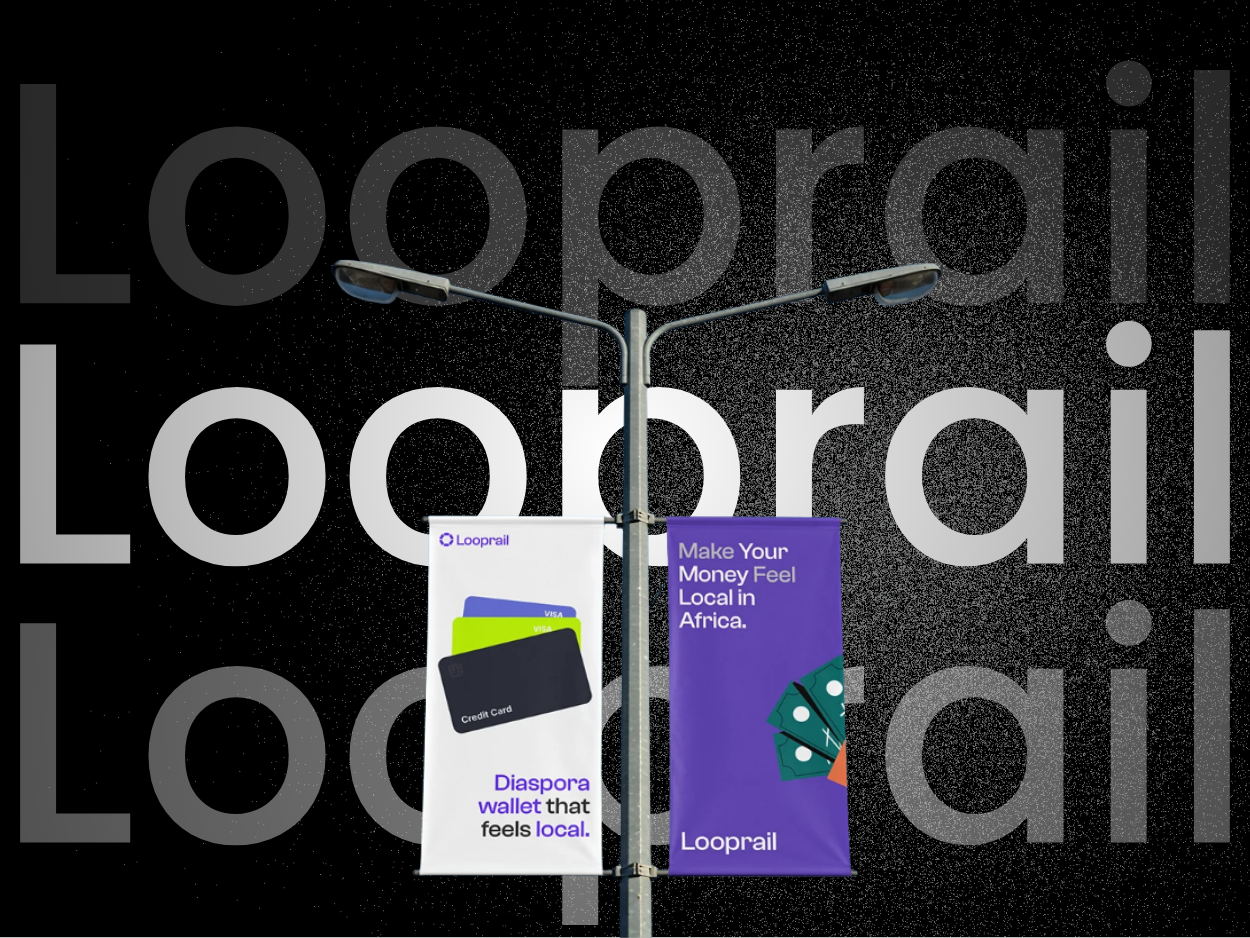
  • Looprail is rebuilding how people are receiving money outside Nigeria

    Looprail is rebuilding how people are receiving money outside Nigeria

    The first time I wanted to receive funds from abroad, I combed several apps, and the journey was excruciating. The founder of Looprail has a similar story.

    Waiting through the familiar frustration of traditional cross-border transfers. High fees quietly deducted. Settlement times stretching into days that you can’t control.

    Exchange rates change between “send” and “receive.” And when the money finally arrived, it came with a final disappointment. It was converted to cash, locked in a bank account, and stripped of real utility.

    Even local payments had already evolved, and in many African markets, you can easily transfer from Moniepoint to OPay in an instant, even with digital checkouts. But the moment your money crosses borders, it falls into an outdated maze of correspondent banks and intermediaries. 

    For me, the problem was not sending money. The problem was what happened after it arrived.

    That gap became the foundation of Looprail.

    Seeing Remittance as Infrastructure, Not a Transaction

    I began looking at remittance from a different angle and asking questions about what if remittance is more than a transaction but a rail. And here’s what I mean

    What if money did not just arrive and sit idle in a bank account or get converted into cash? What if it could immediately pay bills, book travel, support local merchants, and circulate inside the economy?

    That shift in thinking, from remittance service to payment infrastructure, changed everything.

    Why Stablecoins Became the Answer

    Stablecoins offered that path. They solved the core problems I experienced firsthand. They moved money instantly, not in days. They reduced fees from percentages to pennies. They offered transparency instead of hidden markups. Most importantly, they allowed money to remain digital and programmable rather than being trapped on arrival.

    Stablecoins became the foundation of Looprail’s vision. 

    Building Without Capital, Only Conviction

    For us, the first real challenge was not technology. It was people.

    There was no funding. No guaranteed salaries. Just a vision and equity. Convincing talented people to join meant offering something deeper than compensation. It meant ownership in solving a systemic problem that affects millions of people.

    That constraint became a filter. Everyone who joined believed deeply in the mission. Everyone was comfortable building in uncertainty. The team that emerged was aligned, resilient, and focused on building hard things properly.

    Why Nigeria is the Proving Ground for us.

    Looprail’s first corridor is in Nigeria, and the reason is simple. The country has one of the largest diaspora populations in the world and receives over $20 billion in remittances annually. At the same time, traditional remittance remains expensive, slow, and fragmented.

    Our pre-launch focus is clear. Build belief before product. Validate demand through a growing waitlist. Then soft launch with a small group of testers and prove that the rails work at scale.

    If it works in Nigeria, it can work anywhere.

    Beyond Remittance, Toward a Financial Bridge

    Looprail is not being built as a cheaper way to send money home. It is being built as a financial bridge between diaspora life and African economies.

    The vision is simple. Send money home, and that money should immediately work. It should pay bills, support family, fund travel, and flow directly to local merchants. As more diaspora users adopt the platform, more merchants integrate. As utility grows, adoption accelerates. That is how remittance becomes infrastructure.

    What Drives the Mission Forward

    What excites me most is not valuation or headlines. It is product-market fit in its truest sense. A world where money sent from outside Africa does not just arrive, but actively powers local economies.

    That is what Looprail is building.
  • Inside Africa Startup Festival’s evolution

    Inside Africa Startup Festival’s evolution

    What started as a networking meetup has evolved into Africa’s most consequential deal-making platform and a signal of where Nigeria’s tech ecosystem is headed next.

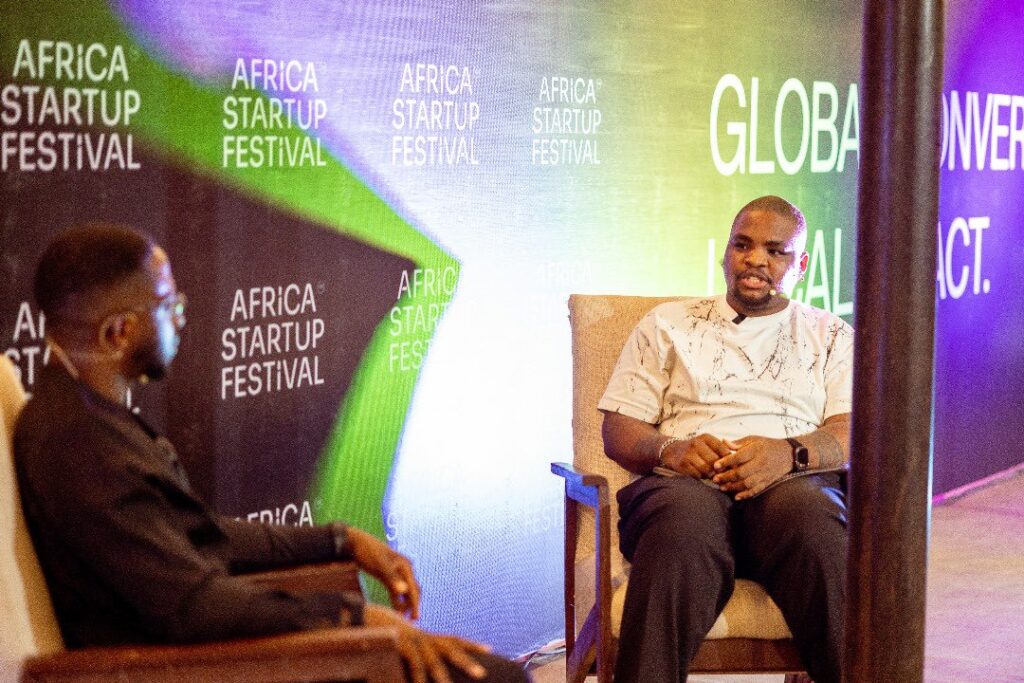
    In 2023, the Africa Startup Festival (ASF) quietly began in Lagos with a simple but urgent idea: bring Nigeria’s growing startup ecosystem into one room.

    At the time, founders were building in silos. Investors were searching for quality deals and operators needed visibility. ASF emerged as a meeting point, a space designed for conversations, introductions, and shared ambition. Hosted by Spark Africa, the festival was first reported in 2023 as an innovation and networking gathering that convened founders, investors, and ecosystem builders.

    That first edition exceeded expectations. It attracted 3,658 participants from six different countries, brought together 1,953 startups and 65 investors. It sparked hundreds of investment conversations according to Lagos Metropolitan. What started as a networking hub had revealed something bigger: Nigeria was ready for structured deal flow.

    2024 Edition: When Conversations Became Opportunities

    By 2024, ASF entered its growth stage. The festival evolved from introductions to intention. Panels became sharper, pitch sessions became structured, and Investor participation became deliberate. ASF began positioning itself as a platform where capital meets clarity, not just ideas.

    That year, ASF established itself as a go-to showcase for innovations and enterprise solutions shaping Africa’s future, while giving startups clearer pathways to investors, partnerships, and market exposure (Africa Tech Radio).

    This edition marked an inflection point. ASF was no longer just facilitating meetings, it was designing outcomes.

    2025 Edition: The Deal-Making Era Arrives

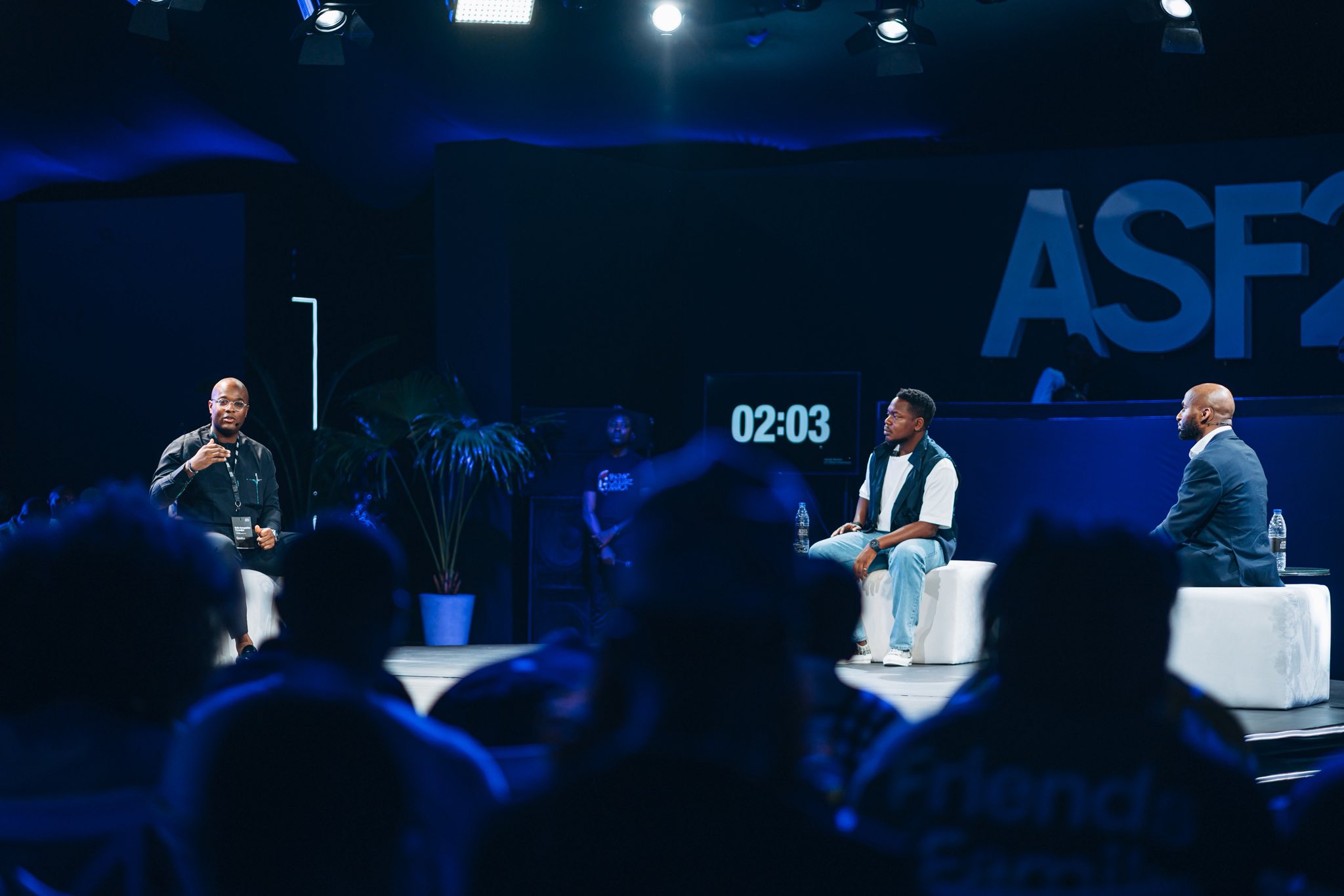
    ASF hosted its biggest edition yet at the Balmoral Convention Centre, Federal Palace, Lagos on November 28, 2025. According to techpoint Africa, over 3,000 attendees filled the venue  including founders, investors, operators, and ecosystem leaders from across Nigeria and beyond.

    This time, ASF felt different.

    The festival introduced three dedicated stages. A main stage for keynote speeches and industry panels, a startup stage spotlighting emerging founders and growth stories, and an investor stage designed for venture capital conversations and serious networking.

    There were also deal rooms. Private, one-on-one spaces where startups and investors met with a clear goal: close meaningful conversations.

    The clearest signal of ASF’s evolution came through its deal-making focus. In partnership with Antler, ASF hosted a super day pitch competition where over 15 founders pitched, and the top 10 received $50,000 worth of resources and mentorship

    Sessions focused on the challenges founders face. Revenue model rigor, operations, scaling in tough markets. Reflecting a broader shift in Nigeria’s tech ecosystem from hype to sustainability.

    By now, ASF had become what Business Insider describes as Africa’s top deal-making and networking event. Its definitive end-of-year gathering is one that sets the tone for partnerships and deals.

    Looking back, ASF’s evolution mirrors Nigeria’s startup journey.

    Antler Super Day pitch or founders celebrating wins

    It started as a networking hub, offering much needed connection points in a growing but fragmented ecosystem.

    Over time, it matured into a deal-making platform, structured pitch, investor matchmaking, and mentor outcomes took centre stage as seen in partnerships like the Antler Super Day initiative and curated investor talks in 2025. (Techpoint Africa).

    Today, hosted in Lagos, Nigeria’s tech capital. ASF draws founders from across Africa while spotlighting Nigerian startups as serious global contenders. As Nnaemeka Clinton, CEO of Spark Africa, puts it, ASF is “more than an event; it’s a movement that empowers Africa’s startup ecosystem and provides a launchpad for African ingenuity to solve global problems” (Lagos Metropolitan).

    From conversations in 2023 to capital in 2025, the Africa Startup Festival didn’t just grow.

    It evolved step by step into a powerhouse where ideas meet action, and deals begin.

    Closing ceremony or crowd applause shot from ASF 2025

    At Hype Empire, we don’t just tell stories, we help build them.

    If your startup or event is entering its next growth phase, let’s design the story and the strategy that moves it forward.

  • How Amoke Oge Turned Lagos Food Business Into A ₦2.3 Billion Success With Technology

    How Amoke Oge Turned Lagos Food Business Into A ₦2.3 Billion Success With Technology

    There’s something inspiring about watching someone turn passion into serious money. Hajia Amoke Odukoya, better known as Amoke Oge, did exactly that with her Amala food business. Today, it’s a ₦2.3 billion success story.

    Her journey isn’t just about cooking great food. Although her amala is legendary in Lagos, it’s also about how she used food technology and delivery platforms to solve real problems. As a result, she scaled beyond the walls of a single kitchen and built one of the most inspiring food businesses in Lagos.

    Starting Small, Dreaming Big

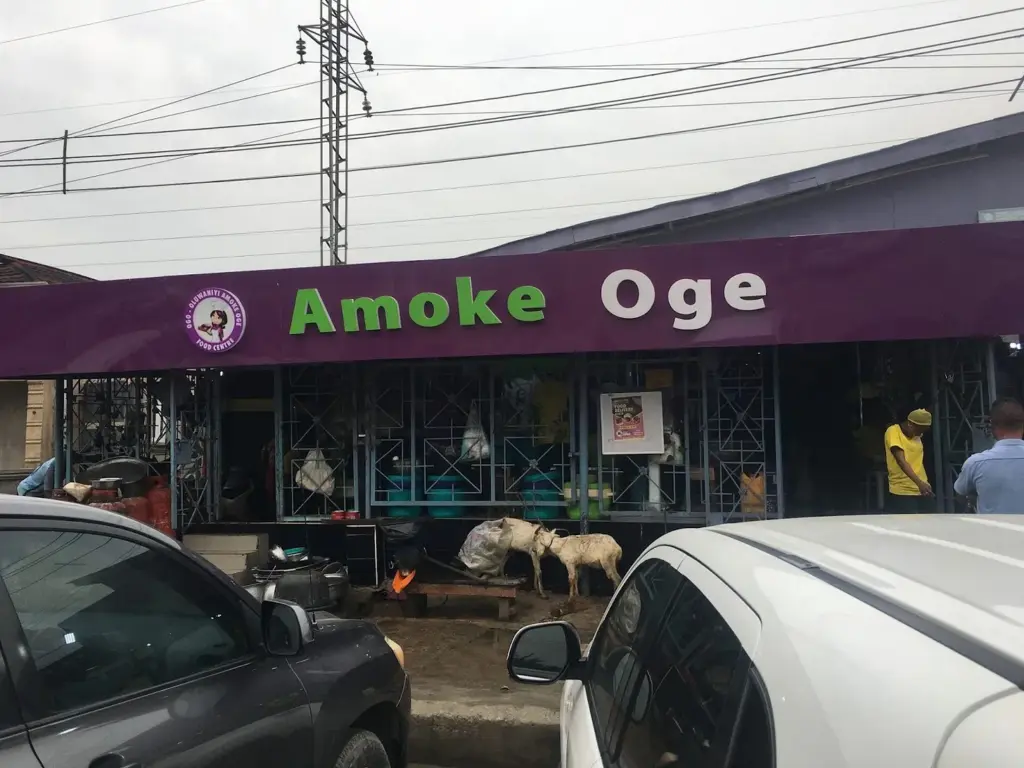
    In the early 2010s, Amoke Oge started with less than ₦200,000. She learned to cook from her sister, Alhaja Saudi (known locally as Iya Amoke), who was already making waves with food in Lagos. With her husband, Ishola Ade, supporting the vision, they began grinding yam and cassava the traditional way, feeding their community from a single kitchen.

    However, success brought its own problems. As inflation hit 28.9% in 2023, running a physical restaurant became brutal. Stores were packed. Customers grew frustrated while waiting for tables. Seating was limited. The traditional model was hitting its limits. After all, you can only serve so many people at once when they must physically show up.

    The Platform Play

    Photo from Refined.ng
    The Platform Play Image Caption

    Two to three years ago, Amoke Oge made a move that changed everything. She joined Chowdeck, one of Nigeria’s fastest-growing food delivery platforms.

    This wasn’t just about adding delivery as a side option. Instead, she went all-in on the platform model, letting Chowdeck handle logistics while she focused entirely on cooking. Consequently, this strategic embrace of food technology turned a beloved local kitchen into a scalable food business in Lagos.

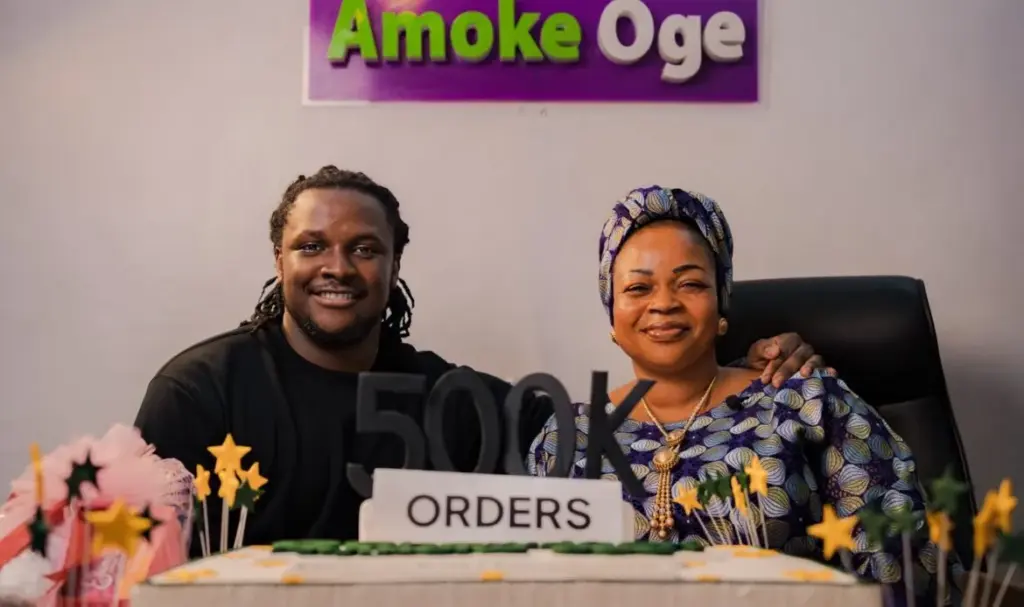
    The results speak for themselves. Over 500,000 deliveries have been completed, making her the first woman-led business to hit that milestone on the platform.

    The numbers are striking. Amoke Oge is now averaging ₦4,600 per order. Yes, that’s higher than what you’d pay eating in a traditional bukka. Yet it’s also what people are willing to pay for convenience and quality delivered to their door.

    Just by leveraging food delivery technology in Lagos, Amoke Oge moved from a single kitchen to multiple outlets. In addition, she built a repeatable system for growth.

    Scale and Strategy

    Today, Amoke Oge operates seven locations across Lagos — Oshodi, Surulere, and others — with plans to expand to ten branches soon. That expansion is directly enabled by the delivery model.

    It’s a technology-based food delivery platform where Chowdeck manages the connection between vendors, delivery riders, and customers. Therefore, vendors like Amoke Oge can focus on cooking while leveraging the platform’s infrastructure for order fulfillment and delivery.

    Instead of worrying about foot traffic and prime real estate for each new location, she can focus on kitchen efficiency and meeting delivery demand.

    The ₦2.3 billion in revenue isn’t just impressive. It’s also proof of concept for how traditional food businesses in Lagos can use food technology to reach entirely new markets and price points.

    Why This Matters

    Amoke Oge’s story resonates because it’s not about replacing tradition with technology. She’s preserved the authenticity of Yoruba cuisine while using modern tools to reach more people. Amala isn’t just food. It’s a cultural heritage. Yet she’s found a way to scale that without losing what makes it special.

    For entrepreneurs watching from the sidelines, there are clear lessons here. She identified a real constraint (physical space limiting customers), found a technology solution that addressed it (delivery platforms), and executed consistently enough to become a category leader.

    Meanwhile, the timing worked in her favor too. Chowdeck just raised $9 million in Series A funding, which suggests investors believe in the model she’s been proving works.

    Lessons for Food Entrepreneurs in Lagos

    • Start with authenticity. Whether it’s amala, suya, or small chops, build your food business around something real.
    • Also, use food technology as leverage. Platforms like Chowdeck or Glovo can handle logistics while you focus on quality.
    • Think beyond your kitchen. Delivery means your reach isn’t limited by foot traffic or seating space.
    • Consistency matters. High quality and prompt delivery build trust and repeat customers.
    • Finally, track your numbers. Knowing your order averages and growth patterns helps you plan expansion intelligently.
    • For small food businesses in Lagos, these lessons are a practical blueprint you should follow. The sky is wide enough for everyone to fly if you do it strategically.

    What’s Next for Amoke Oge

    Photo from Businesspost

    Amoke Oge represents something bigger than one successful food business. She’s part of a generation of African entrepreneurs who are figuring out how to use food technology platforms to scale traditional businesses without losing their essence.

    Her success creates a template. Start with something you’re genuinely good at. Identify where technology can remove constraints. Execute consistently. Not revolutionary advice, but clearly effective when done right.

    The real question now is who follows her playbook next, and in which industries. Because if you can scale amala to ₦2.3 billion, what else becomes possible?

  • Post-Event Recap: Inside the 2025 10Alytics Global Hackathon- Africa’s Biggest Data Challenge

    Post-Event Recap: Inside the 2025 10Alytics Global Hackathon- Africa’s Biggest Data Challenge

    The 2025 edition of the 10Alytics Global Hackathon has officially wrapped and once again, it proved why it remains Africa’s premier data competition.

    From thousands of registrations to project submissions, this year set a new benchmark for innovation, skill, and global participation.

    If joined the 48-hour sprint or are catching up on the highlights. Here’s a full breakdown of what happened.

    What Exactly is the 10Alytics Global Hackathon

    The 10Alytics Global Hackathon is a high-energy, 48-hour virtual competition where Data enthusiasts compete to solve real-world problems using datasets, all while racing against the clock.

    Prizes include: Up to $52,000 in cash, Scholarships, Industry visibility, Global networking opportunities, Portfolio-ready project experience.

    2025 Edition

    The 2025 edition happened November 29–30, 2025, Fully Virtual (Zoom + YouTube Live) and Open to participants worldwide

    With thousands joining from across Africa, Europe, the Americas, and the Middle East, the hackathon has grown into a global showcase of Africa’s rising data talent.

    What Happened During the Hackathon

    DAY 1 – Kickoff, Dataset Reveal & Orientation

    2,000+ registrations recorded, 300+ participants joined live across YouTube, Instagram, and LinkedIn

    Judges were introduced alongside their career journeysand participants received problem statement briefing, competition rules & submission guidelines

    From dataset exploration to community bonding, Day 1 set the stage for intense analytics work behind the scenes.

    DAY 2 — Final Presentations & Live Judging

    After 11 hours of analysis, visualization, and modeling

    The top 30 were shortlisted, 13 finalists presented live on the YouTube stream for the Judges, Presenters had 10 minutes each to pitch their solutions, and judges scored each project in real-time.

    Winners & Rewards

    • $2,000 in cash prizes shared among the top 3 winners
    • Top 4–10 finalists secured internship placements to grow, build, and accelerate their tech careers

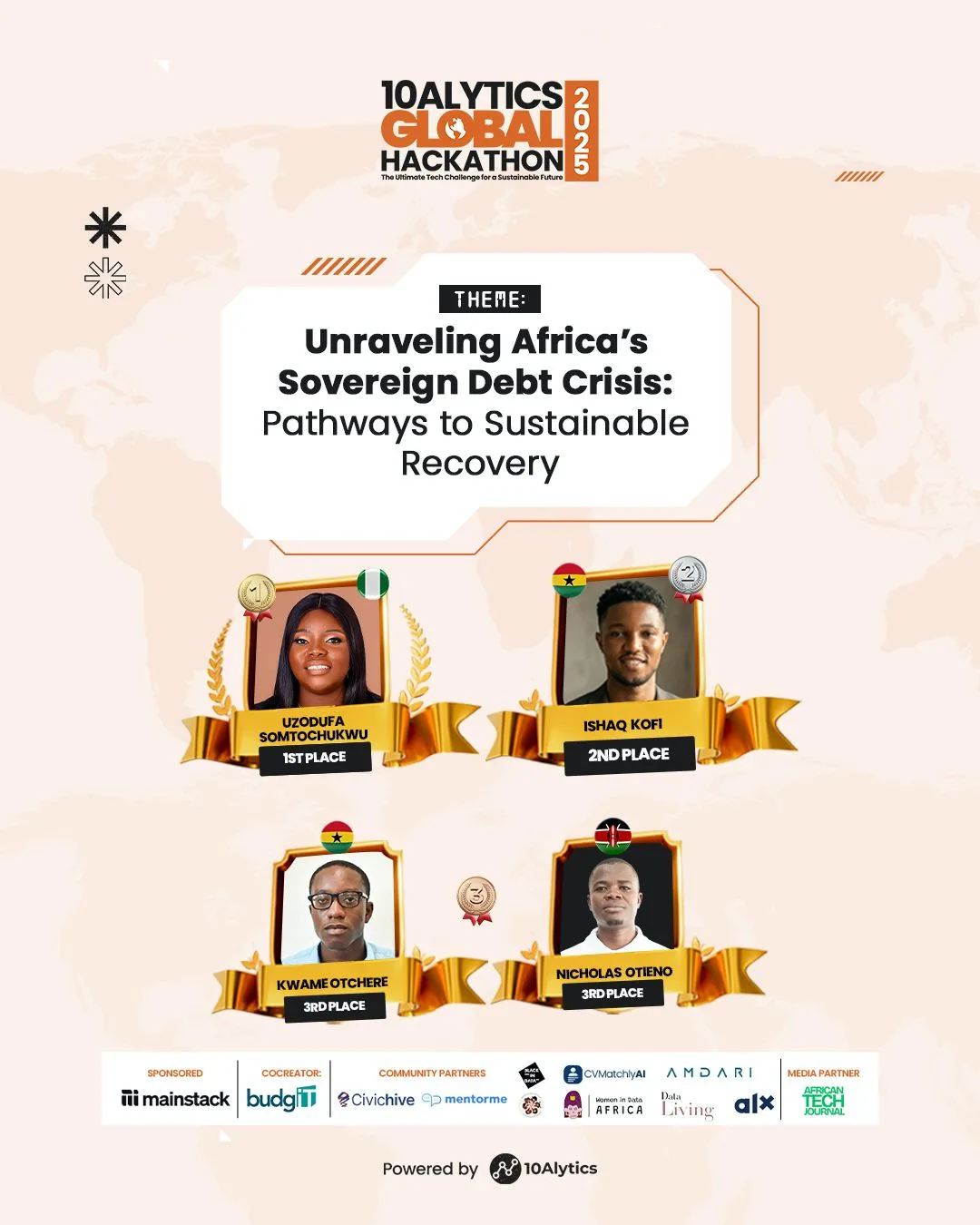
    Uzodufa Somtocochukwu came prepared, and it absolutely showed! Her sharp timing and unforgettable presentation style wowed the judges. Competing against brilliant talents from Ghana, Kenya, and Nigeria, she earned an impressive 81.71%, sealing her victory.

    Right behind her was Ghana’s own Ishaq Kofi, securing a strong second place. And in a plot twist nobody saw coming, Kenya’s Nicholas Otieno, who pitched last, delivered a standout performance that tied him with Ghana’s Kwame Otchere for third place.

    The Ecosystem Behind the Hackathon

    The 10Alytics Global Hackathon is deeply rooted in the broader mission of 10Alytics, a leading EdTech company committed to equipping Africans and the global diaspora with industry-ready technology skills. For five years, 10Alytics has built and nurtured talent for the global tech workforce, helping more than 2,500 individuals transition from the classroom into their first tech roles across the UK, US, Canada, Europe, Africa, and Asia.

    The organization delivers premium, experiential training across high-demand fields such as Data Analytics, Business Analysis, Data Engineering, Data Science, Financial Analytics, HR Analytics, Scrum, CyberSecurity, DevOps Engineering and Product Design. Their Team brings deep practical experience, ensuring that learners receive hands-on, career-driven training that truly prepares them for real-world challenges. Maintaining a community of 10,000+ learners & alumni globally

    2025 Hackathon Strategic Partners

    • BudgIT — Co-creation partner
    • Mainstack — Official sponsor
    • African Tech Journal – Media Partner

    Community Partnerships with organizations such as Data Living, Women in Data Africa, Civic Hive, ALX Nigeria, MentorME, Amdari, Women in Data Network, Amdari, and the African Tech Journal.

    The 10Alytics Global Hackathon is more than a competition. It is a platform that as over the years created a community for data enthusiasts to use their skills to solve real-world problems.

    It proves that African data professionals have consistently demonstrated that they can compete at global standards when given the right platforms to showcase their abilities.

    At a time when millions of African youth are seeking career pathways, the hackathon bridges the gap, connecting skills to opportunities, learning to earning, and talent to global recognition.

    Partnership & Sponsorship Inquiries:

    [email protected], [email protected]

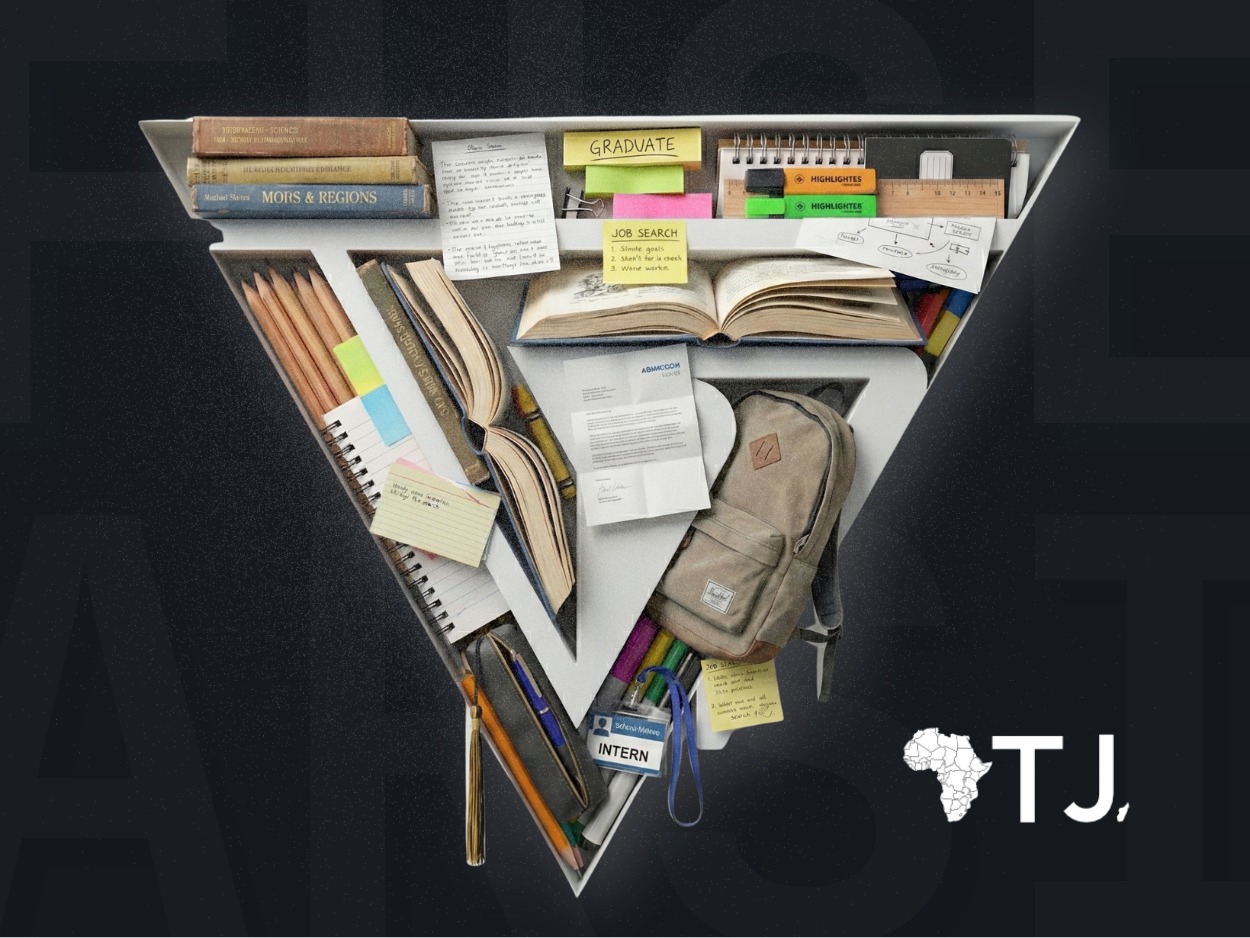
  • FUSE Varsity: Bridging the Gap Between New Graduates and The Real-World

    FUSE Varsity: Bridging the Gap Between New Graduates and The Real-World

    Graduation has a way of putting your life in sharp focus.

    You’ve survived years of reading, lab work, and late-night exam prep. Your parents are beaming. Your certificate is crisp. On the surface, everything looks fine. But underneath the excitement, there’s a quiet emptiness you can’t ignore. You’ve earned the degree, yet you don’t feel ready for the world outside the school gate.

    For many African graduates, that fear is valid. 

    That question became the foundation of FUSE Varsity, a homegrown edtech solution built around relevance, clarity, and online learning.

    The Uncomfortable Truth About African Education

    Anyone who passed through the Nigerian university system understands the disconnect. It’s not a lack of intelligence or effort. Students work incredibly hard despite unstable systems, outdated materials, and limited resources. After navigating missing scripts and endless delays, many graduates still discover that a degree alone doesn’t open doors.

    Building Without Glamour

    The team focused on clarity, structure, community, and results.

    Competing with well-funded online platforms on appearance made no sense. Instead, FUSE asked a more grounded question: what actually helps people stay, grow, and apply what they learn? The answer shaped everything.

    Convincing people wasn’t easy. Degrees still carry emotional weight in Nigeria. Questions came fast: “Why do I need this?” “How is this different from YouTube?” “What if I still don’t get a job?”

    Why Community Changed Everything

    FUSE learned early that content alone isn’t enough. Learning needs connection. That’s why cohort-based learning became central. Learners moved together, shared wins, received feedback, and stayed accountable.

    They weren’t abandoned after programs ended. They joined a 3,500+ member community that continued to support and challenge them. Feedback wasn’t ignored—it shaped courses, support systems, and the platform itself.

    Growing With Discipline

    By 2024, the focus shifted to scale. That led to FUSELearn, an AI-supported extension designed to personalize learning without replacing human connection.

    Partnerships with organizations like the Lagos State Government, Selar, and Workpoint helped FUSE reach over 2,000 learners and support real career transitions.

    The Bigger Picture

    FUSE feels like home because it understands African realities like power issues, data limits, financial pressure. Learning works with life, not against it.

    By 2030, FUSE aims to empower over 30,000 learners with skills, confidence, networks, and opportunities.

    It’s not just education. It’s preparation for the real world—and that’s the gap FUSE exists to fill.

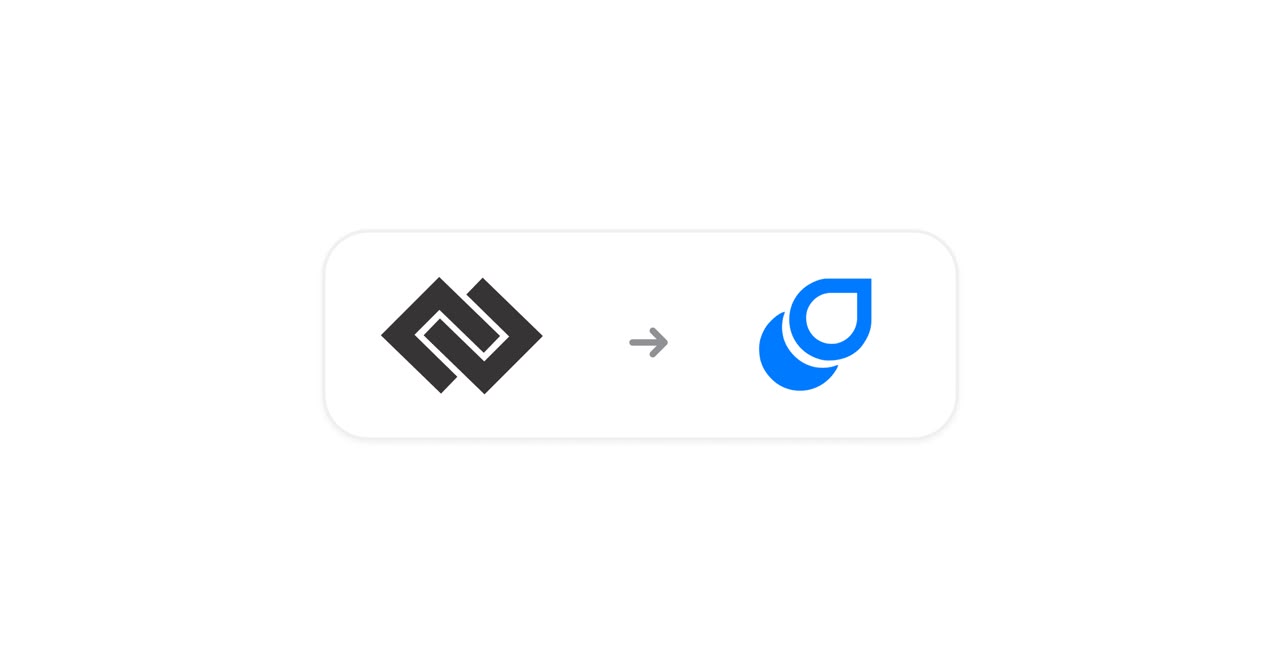
  • 2DX Technologies rebrands as WithHalal, launching its own ethical fintech platform for individuals and small businesses

    2DX Technologies rebrands as WithHalal, launching its own ethical fintech platform for individuals and small businesses

    2DX Technologies and Consulting, the product design and technology company known for helping founders build and launch fintech products, has rebranded as WithHalal, marking its transition from a services led consultancy into a product led fintech company focused on non interest, shariah aligned digital finance for everyday users and SMEs.

    The transition formalises a shift that began with the team’s work on Halal, a digital payments and finance platform built to “bank the unbanked with zero interest” and provide a “bank for all”, leveraging Islamic banking principles to support small and medium enterprises with accessible capital and payments infrastructure.

    WithHalal now becomes the flagship product under the new corporate identity, while the company’s experience in building and launching fintech products is channelled into scaling its own financial technology stack.

    WithHalal operates as a three in one solution : a digital bank, 0 percent interest loan provider, and financial solutions platform for individuals and SMEs. The app gives users access to shariah compliant digital and financial products, offering non-interest banking services to both Muslims and non Muslims who want to align their finances with ethical, values driven principles.

    According to the company’s public profiles, WithHalal specialises in loans, savings, payment gateway services, everyday payments and business support for small enterprises.

    At the product level, WithHalal enables users to send and receive money through QR codes, link invitations, phone numbers, and usernames, making financial access “easy for all” and lowering the friction of everyday transactions in both consumer and merchant contexts.

    This multi channel approach is designed to meet users where they are, whether in informal markets, SME operations or digital first businesses, while maintaining the discipline of shariah based finance and avoiding interest bearing structures.

    “WithHalal is the natural evolution of everything we built at 2DX,” said Lukman Ibrahim, founder of WithHalal. “We spent years designing and launching products for other fintech founders.

    Now we are applying that same product discipline to our own platform, building financial tools that are transparent, non exploitative, and accessible to people and small businesses that have historically been underserved by traditional banks.”

    The company’s journey has already intersected with global financial inclusion initiatives. Under the Halal Payment brand, the venture has been profiled as an “all inclusive digital payments service platform” that leverages Islamic banking to provide shariah based financing for SMEs, with a stated focus on job creation, poverty alleviation, and economic productivity.

    It has also participated in programmes such as CATAPULT: Inclusion Africa in Dubai, signalling external validation of its mission to use Islamic fintech as a tool for broad based financial inclusion.

    By rebranding as WithHalal, the company is positioning itself less as a generic technology consultancy and more as a specialised workplace and financial operating system for ethical commerce, connecting payments, lending, savings, and business support into a single platform for SMEs and individuals.

    WithHalal’s emphasis on non interest banking, shariah compliance, and everyday usability places it within the growing Islamic fintech segment, which aims to bridge the gap between faith aligned finance and modern digital products for African and global markets.

    “WithHalal, we are not just adding another banking app to the ecosystem,” Ibrahim Lukman added. “We are building infrastructure that lets people move money, access financing, and grow their businesses without compromising on their values.

    Our experience as 2DX taught us that true scale comes from products that are deeply integrated into people’s daily lives.

    That is the future we are building towards with WithHalal.”