Tag: tech

  • Cardron Is Building a WhatsApp-First Way to Buy Digital Products in Nigeria

    Cardron Is Building a WhatsApp-First Way to Buy Digital Products in Nigeria

    The Nigerian digital commerce platform is helping users access gift cards, virtual cards, event tickets and other digital products without having to navigate multiple apps and complicated checkout processes.

    For many Nigerians who regularly use digital products, buying something as simple as a gift card, virtual card or software subscription can involve several steps.

    You may need to download an app, create an account, complete verification, fund a wallet, wait for confirmation and then contact support if something goes wrong.

    For developers, creators, influencers and other digital users who depend on these products, what should be a straightforward purchase can quickly become frustrating.

    This was the problem that led to the creation of Cardron, a WhatsApp-first digital commerce platform designed to make digital products easier, faster and more trusted to access.

    The company was built around a simple observation: people already use WhatsApp every day, so buying a digital product should not require them to learn another complicated system.

    Instead, Cardron allows customers to order directly through WhatsApp, reducing the number of steps between deciding what they need and receiving it.

    Building Around a Familiar Platform

    Cardron’s approach is centred around WhatsApp-first commerce.

    Rather than requiring customers to download another application or move through a lengthy signup process, the platform allows them to interact with the business through WhatsApp.

    Behind that experience is a web-based system that manages orders, payments, customer support, fulfilment, notifications and reporting.

    The technology is designed to make the customer experience simpler while giving the team more structure behind the scenes.

    The platform currently focuses on digital products including gift cards, virtual cards, event tickets and other digital access products.

    For Cardron, the choice of WhatsApp is also about accessibility.

    Customers do not have to learn a new platform before making a purchase. They can use a communication channel they already understand and use regularly.

    Trust Became Part of the Product

    One of the biggest challenges Cardron encountered was trust.

    Digital commerce already has a trust problem, particularly when customers have previously dealt with fake vendors, delayed orders or poor customer support.

    The company therefore had to build more than a convenient purchasing process.

    It had to create confidence that customers would receive what they paid for and that there would be someone available to help when something went wrong.

    Cardron’s response has been to focus on speed, reliability, communication and customer support as part of the product experience.

    The wider economic environment has also made these factors more important.

    Inflation and exchange-rate pressures have made customers more careful about where they spend money, particularly when purchasing digital products.

    For Cardron, this reinforces the importance of providing a service that customers can trust.

    From Gift Cards to Digital Commerce

    Cardron did not remain limited to its initial product categories.

    The platform has expanded beyond gift cards and virtual cards into areas including digital fulfilment and event ticketing, with plans to continue expanding its digital product offering.

    That expansion reflects a broader ambition for the company.

    Instead of becoming a platform for one type of digital product, Cardron wants to become a place where people can access different digital products and services through a familiar buying experience.

    Its technology allows the business to manage different parts of the customer journey from one system, including orders, support, delivery and tracking.

    As customer expectations change, the company says users increasingly want faster delivery, clearer communication and less friction when buying online.

    Technology That Solves a Practical Problem

    For Cardron, technology is not the product for its own sake.

    The technology exists to address a practical problem that customers already experience.

    The company began with industry knowledge, technical skills and an understanding of the frustrations people faced when trying to purchase digital products.

    That shaped the product philosophy from the beginning: technology should reduce stress rather than introduce more steps.

    This is also reflected in the company’s view of entrepreneurship.

    One of the key lessons Cardron has taken from its journey is that good business ideas often come from everyday problems. Building something technically advanced is not enough if it does not make life easier for the customer.

    What Comes Next for Cardron

    Cardron plans to continue expanding its digital product categories while improving delivery, automation and customer support.

    Event ticketing is another area the company sees as an opportunity, alongside partnerships that can expand the range of services available through the platform.

    The long-term goal is to build Cardron into a trusted digital platform that people can rely on for different everyday digital needs.

    The company operates under Devloopr Web Solution Ltd, the registered company behind Cardron.

    As digital commerce continues to grow in Nigeria, the platforms competing for customers will not only need to provide access to products. They will also need to make the purchasing experience reliable and easy to understand.

    For Cardron, that means meeting customers on a platform they already use, reducing unnecessary steps and building the systems required to deliver digital products with less friction.

    The company is still building toward that larger vision, but its starting point remains simple: making digital access easier, faster and more reliable.


  • EndowPay Wants to Make Digital Payments Easier for Nigerians Who Are Often Left Behind

    EndowPay Wants to Make Digital Payments Easier for Nigerians Who Are Often Left Behind

    For some Nigerians, sending money from a phone is a simple process. Open an app, select a beneficiary, enter an amount and confirm the transaction.

    But that experience assumes something that is not always true: that the person using the phone is comfortable navigating a financial app.

    For a market woman who can make a phone call but struggles to navigate a smartphone interface, digital banking can still feel inaccessible. For someone who is semi-literate or more comfortable communicating in a local language, the promise of financial technology can remain just that, a promise.

    This was the gap Okunola Orogun and the team behind EndowPay identified when they began building the fintech in November 2024.

    Rather than creating another payment app aimed primarily at digitally confident users, the company is focused on a different question: what would financial technology look like if it was designed around the people who find existing systems difficult to use? 

    Building for People Who Are Often Overlooked

    The conversation around financial inclusion in Africa has largely focused on bringing the unbanked into the formal financial system.

    But EndowPay believes access to a bank account is only one part of the problem.

    The bigger question is whether people can actually use the technology that gives them access.

    Okunola  describes people who may still depend on their children to operate their phones or walk to a POS terminal to send money to family members. For EndowPay, the existence of smartphones and digital payments should make these processes easier, not introduce another barrier.

    The company is therefore exploring natural-language interactions that allow users to communicate with financial technology in ways that feel more familiar.

    The idea is particularly relevant in a country where language, literacy and digital confidence can vary significantly across communities.

    If someone can make a phone call in their preferred language, Endow Pay believes they should eventually be able to use that same simplicity to carry out financial transactions.

    Making Payments Easier, Not Just Faster

    One of the company’s central arguments is that financial technology should remove friction from everyday transactions.

    The team points to a familiar situation. Imagine driving when a child calls to request ₦2,000 urgently. With a conventional banking app, the parent may need to stop, pick up the phone, open the application and complete the transfer.

    EndowPay is working toward a different experience through Endow Bot, which the company says is planned for rollout in Q4 2026.

    The proposed system would allow users to initiate transactions through a text and voice interaction, both in-app and on most popular instant messengers, supported by authentication layers designed to keep the process secure.

    The company’s focus on speed also extends to transaction processing. According to the team, EndowPay is working to make transactions complete within seconds, while its infrastructure is being designed to reduce the delays that customers often experience when payments fail.

    For Endow Pay, this is closely connected to trust.

    Trust Is Still the Biggest Challenge in Fintech

    Getting people to trust a company with their money is difficult, particularly for a young fintech competing against established financial institutions.

    The team says its approach has been to demonstrate value rather than simply talk about it.

    That includes focusing on transaction speed, customer support and reliability, while working with licensed partners to provide key financial services.

    EndowPay’s CTO says it works with CBN-licensed organisations for several of its services and has partnerships across banking and payment infrastructure. The company also says it has put compliance measures in place around anti-money laundering and data protection.

    The founders believe these relationships are important because trust in financial technology is not built through branding alone. It is built through the infrastructure behind the product and the consistency of the customer experience.

    Growth Built Around Active Users

    Since its alpha launch around September 2025, EndowPay says it has recorded steady user growth.

    But the team is less interested in accumulating large registration numbers than in understanding whether people actually use the product.

    Adebola says a significant majority of its current users are active, while the company has a customer retention team that reaches out to users to understand why they may have stopped using the platform and what could be improved.

    That feedback loop is becoming an important part of the company’s product development.

    The team says its upcoming V2 will further redefine the experience as it continues to build around the original goal of making financial technology more accessible.

    Building Without Chasing Funding

    Unlike many African fintech startups, EndowPay is currently 100% bootstrapped.

    The founders say this is intentional.

    Rather than raising capital and potentially adjusting the company’s direction around investor expectations, they want to build the core product and validate the original vision first.

    Okunola’s position is straightforward: funding should follow value rather than become the reason for building the company.

    The team remains open to investment in the future, but only from partners who understand and support the company’s direction.

    What Comes Next for EndowPay

    The company’s roadmap extends beyond consumer payments.

    According to EndowPay’s CTO, EndowPay is exploring a B2B offering that would allow SMEs to access business tools and maintain better financial records, potentially helping them when seeking financing or managing their operations.

    The team is also looking at cross-border payments, remittance services, virtual cards and cross-border accounts that could make it easier for remote workers and businesses to receive money internationally.

    On the infrastructure side, EndowPay is developing transaction routing technology designed to direct payments through available providers and reduce transaction failures.

    The broader ambition is to make financial technology feel less complicated for the people using it.

    For EndowPay, the opportunity is not simply to become another fintech competing for the same digitally savvy customers.

    It is to rethink how financial technology can work for people who have historically been expected to adapt to the technology, rather than having the technology adapt to them.

    And as Nigeria’s financial ecosystem becomes increasingly digital, that distinction could become increasingly important.

    This article is based on an interview with Okunola Orogun and EndowPay’s team conducted by African Tech Journal.

  • BookAm wants to become the default appointment software for service businesses in Nigeria

    BookAm wants to become the default appointment software for service businesses in Nigeria

    The Nigerian-built booking platform is helping service professionals replace WhatsApp back-and-forth with a simpler way to manage appointments, collect deposits, and keep customers informed. 

    For many service businesses in Nigeria, a booking can begin with a simple WhatsApp message. 

    A customer asks for availability. The business owner checks their schedule, responds, confirms a time, sends payment details, waits for a transfer screenshot, and then manually records the appointment. 

    Then comes another message. 

    And another. 

    As the business grows, so does the number of conversations to manage. 

    For barbers, makeup artists, photographers, tutors, consultants, fitness trainers, salons, and other appointment-based businesses, WhatsApp has become an important part of how they communicate with customers. But it was never designed to be a booking management system. 

    That gap is what BookAm is building around. 

    From WhatsApp conversations to structured bookings BookAm is a booking and payment platform built specifically for Nigerian service businesses. 

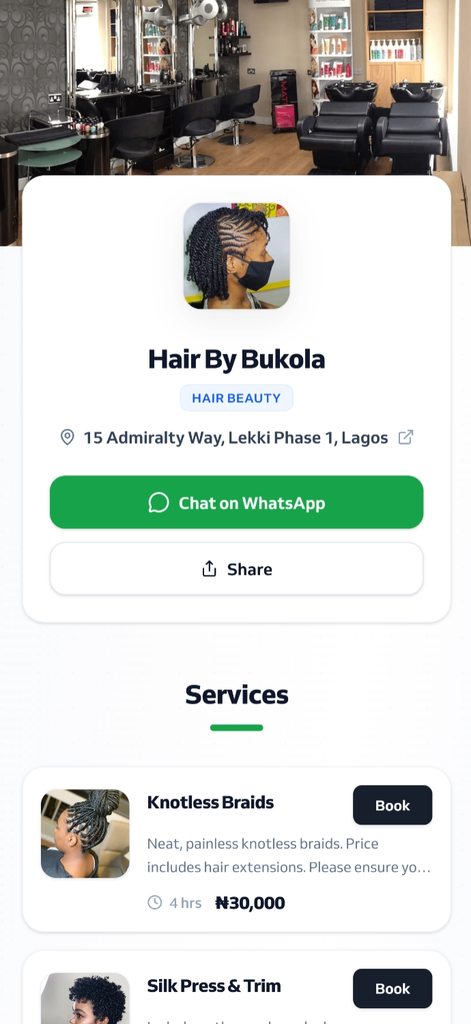
    The idea is straightforward: instead of asking customers to message a business every time they want to book, businesses can create a professional booking page that handles the process for them. 

    A business owner can add their services, prices, working hours, and availability. They can then share their personal BookAm booking link through WhatsApp, Instagram, TikTok, or anywhere else their customers already find them. 

    Customers open the link, choose a service, select an available time, and pay a deposit or the required amount to secure the appointment.

    The booking is then confirmed automatically. 

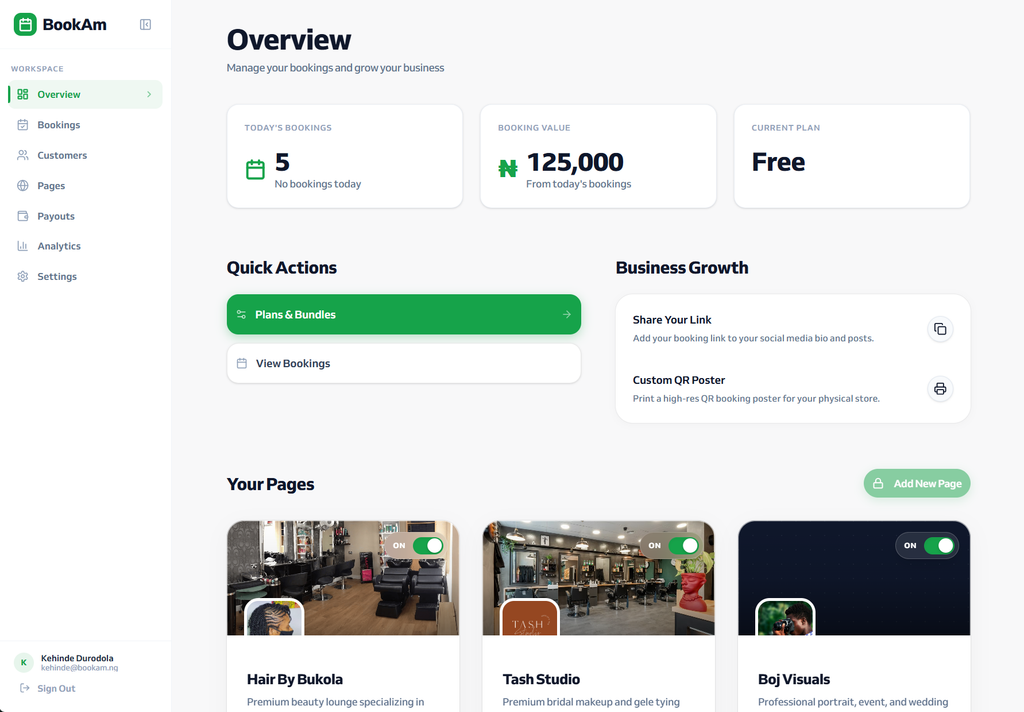
    For the business owner, the entire process is managed from a single dashboard. 

    The goal is not to replace the conversations businesses have with their customers. It is to remove the repetitive conversations that do not need to happen in the first place. 

    Why the problem matters 

    The problem with manual booking becomes more obvious as a service business gets busier. 

    A business owner may be working with a customer while another person is asking about availability. Someone else may be requesting a price. Another customer may have sent a payment screenshot that needs to be confirmed. 

    Then there are the customers who forget their appointments. 

    For businesses where every appointment represents a limited and valuable time slot, a missed appointment can mean lost revenue that cannot be recovered. 

    BookAm approaches these problems by turning the booking process into a structured workflow. 

    Customers can see the services available, choose a time based on the business’s availability, and make the required payment without waiting for the business owner to respond manually. 

    BookAm also sends automated booking confirmations and appointment reminders through WhatsApp and email, reducing the amount of manual follow-up required from the business. 

    Built around how Nigerian businesses already operate 

    One of BookAm’s biggest design decisions is to avoid forcing service professionals to completely change how they reach customers. 

    Many already have an audience on WhatsApp, Instagram, TikTok, or other social platforms. BookAm gives them a booking link they can place where their customers already are. 

    There is no mobile app that customers need to download before making an appointment. A customer can simply open the booking page in a browser, select a service and time, and complete the booking. 

    Payments are also designed around the Nigerian market, with customers able to pay through supported local payment methods.

    The platform is built to keep the experience familiar for both sides while making the underlying booking process more structured. 

    More than just a booking link 

    While the booking page is the part customers see, BookAm is designed to give business owners more control behind the scenes. 

    Businesses can manage bookings and customers from a central dashboard, track their booking activity, manage services and availability, and give staff members or branch managers their own access where needed. 

    The platform also includes features such as client management, analytics, QR-based booking, and automated notifications. 

    The idea is to give service businesses the operational structure they need without forcing them into a complicated enterprise system. 

    For a small business owner, the software should feel like something that removes work rather than something that creates more of it. 

    Why Kehinde Durodola built BookAm 

    BookAm was built by Kehinde Durodola, a software engineer who wanted to solve a problem he kept seeing among Nigerian service professionals. 

    For Kehinde, the opportunity was not simply to build another generic scheduling tool. The goal was to build something that understood the realities of the businesses it was serving. 

    That meant thinking about how Nigerian businesses communicate with customers, how they collect payments, how customers discover them, and how important upfront deposits can be for businesses whose income depends on appointments being kept. 

    It also meant building the product around the idea that the business owner should not need to become a technology expert to use it. 

    “BookAm” itself reflects that local approach. The name comes from the Nigerian expression “book am”, meaning “book it”. It is short, familiar, and intentionally local. 

    Starting free 

    BookAm is available for businesses to start using without a monthly subscription.

    The platform operates on a model where businesses can create their booking pages and begin accepting appointments without committing to a recurring software subscription. 

    For an early-stage service business, the goal is to make the first step as easy as possible: create an account, set up services and availability, share the booking link, and start accepting bookings. 

    The company believes that the software should first prove its value to the business before asking the business to make a larger commitment. 

    Building with the businesses, not just for them 

    BookAm officially launched in 2026 and is now onboarding its first set of service businesses across Nigeria. 

    At this stage, the company is focused heavily on conversations with business owners and understanding how they currently manage bookings. 

    Those conversations are already influencing how the product evolves. 

    For Kehinde, launching the software is not the end of the development process. It is the beginning of a much more important phase: seeing how real businesses use it, where they struggle, and what needs to be improved. 

    The long-term ambition is bigger than simply providing another booking link. 

    BookAm wants to become the default appointment software for Nigeria’s service businesses, giving independent professionals and growing service teams the infrastructure to manage bookings, payments, customers, and appointments more professionally. 

    The market is still early. 

    But the problem is already familiar. 

    For thousands of service businesses, the next customer booking may still arrive as a WhatsApp message. 

    BookAm wants to make what happens after that message much simpler.

  • LandSight Puts Nigerian Property Verification on the Blockchain, Aiming to Curb Land Title Fraud

    LandSight Puts Nigerian Property Verification on the Blockchain, Aiming to Curb Land Title Fraud

    Nigerian proptech platform goes live on Hedera mainnet with tamper-proof verification certificates and automated on-chain verifier payments

    LandSight, the Nigerian property verification platform helping buyers, including Nigerians in the diaspora, confirm that land is genuine before money changes hands, today announced that its blockchain verification layer is fully live on Hedera’s public mainnet. Every verification report approved on the platform is now anchored to a smart contract on a public blockchain, producing a tamper-proof certificate that any buyer, lawyer, or bank can independently confirm without having to take LandSight’s word for it.

    Land title fraud remains one of the most persistent and costly problems in Nigeria’s property market: the same plot sold to multiple buyers, forged documents, and verification reports that carry no independent proof of authenticity. Diaspora buyers are disproportionately targeted because they cannot inspect properties or supervise transactions in person. LandSight was built to close that trust gap, with a simple promise: “Don’t send money home blind.”

    “A PDF report can be edited. A WhatsApp forward can be faked. But a verification certificate anchored on a public blockchain cannot be quietly altered after the fact: not by a seller, not by an agent, and not even by us,” said Emmanuel Kolawole, Founder of LandSight. “That is what a lawyer in Lagos or a bank in London needs to see before real money moves.”

    How LandSight Works

    LandSight connects property buyers and owners with a network of independent, vetted verifiers who physically and documentarily assess a property, covering title authenticity, ownership history, and risk flags, and produce a verification report. Buyers pay for verification through standard Nigerian payment rails, and verifiers earn a commission on completed jobs.

    The Blockchain Layer: Augment, Don’t Replace

    Rather than replacing that existing infrastructure, LandSight has added a blockchain layer on top of it. Two things now happen automatically once a verification report is approved:

    1. A tamper-proof certificate. The verification result, including which approved verifier produced it, is written to a smart contract on Hedera’s public ledger. Because the record lives on a decentralized network rather than only in LandSight’s own database, anyone can independently confirm that a given report is authentic and unaltered. If even a single detail changes, the on-chain record no longer matches.
    2. Transparent on-chain verifier payments. When a buyer pays for a verification, the corresponding value moves into an on-chain escrow and is released to the verifier automatically the moment their report is approved. The result is a provable payment trail sitting alongside the provable verification record.

    Why Hedera

    LandSight initially built and tested its contracts on Ethereum-compatible test networks before consolidating on Hedera as its production chain, citing low, predictable transaction fees and Hedera’s native token service as the right fit for a payments-heavy product priced for the Nigerian market.

    Live Infrastructure, Real Value

    As of August 4, 2026, LandSight has completed its migration from test networks to Hedera’s production mainnet. The company has verified end-to-end that a property verification can move from report approval through to a completed on-chain payout to a verifier on live infrastructure.

    About LandSight

    Launched in March 2026, LandSight provides end-to-end property verification for buyers of land and property in Nigeria, with a particular focus on protecting diaspora buyers from fraud. The platform combines on-the-ground inspection, title and registry checks, and blockchain-anchored certificates. LandSight has been featured in The Guardian Nigeria.

    For more information, visit https://www.landsight.ng or contact:

    Media Contact Emmanuel Kolawole Founder, LandSight [email protected]

  • TLG Trade: The E-commerce Platform Helping African Businesses Go Digital

    TLG Trade: The E-commerce Platform Helping African Businesses Go Digital

    In 2020, millions of businesses across Africa were forced to close their doors.

    For weeks and, in some cases, months, shops that had relied almost entirely on walk-in customers suddenly had no customers to serve. Sales disappeared overnight. Businesses that had operated successfully for years realised how dependent they had become on physical locations.

    The pandemic exposed a weakness many entrepreneurs had never seriously considered.

    A business could have loyal customers, quality products, and a strong reputation, but if people couldn’t physically visit the store, the business struggled to survive.

    While schools moved online, churches began livestreaming services, and companies embraced virtual meetings, many small businesses were still searching for an affordable way to continue selling.

    That observation became the foundation for TLG Trade.

    The company was founded during the COVID-19 lockdown with a simple idea: physical stores should no longer be the only place where businesses exist. Instead of replacing traditional commerce, TLG Trade wanted to help businesses build digital storefronts that could continue serving customers regardless of physical disruptions.

    African Businesses Are Becoming More Discoverable Before They Become Visitable

    Consumer behaviour has changed significantly over the past few years.

    Today, many buying journeys begin long before someone enters a store. Customers search online, compare prices, read reviews, browse product catalogues, and evaluate sellers before making purchasing decisions.

    For businesses without an online presence, this shift creates a new challenge.

    The problem is no longer just selling products.

    It is being discovered in the first place.

    Many small businesses still rely heavily on physical locations and word-of-mouth referrals, even as consumers increasingly expect to find products through search engines, social media, and digital marketplaces.

    TLG Trade believes every business should have an online storefront that complements its physical location rather than replacing it.

    Building More Than an Online Shop

    One of the earliest lessons the company learned was that creating an online store alone does not guarantee sales.

    Many businesses expected customers to appear immediately after launching their websites. When that didn’t happen, some concluded that eCommerce simply didn’t work.

    The team realised that digital commerce required more than storefronts.

    Businesses also needed visibility.

    That insight shaped the evolution of TLG Trade into a broader eCommerce ecosystem.

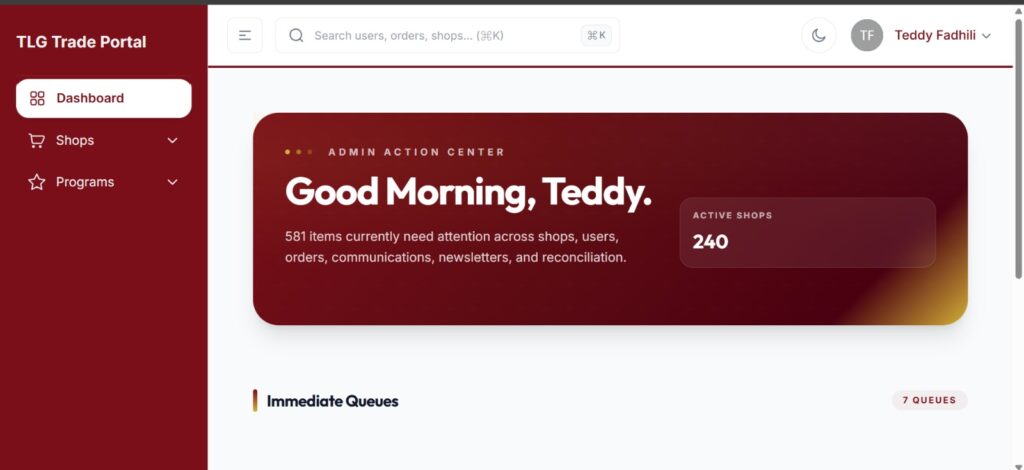
    Today, the platform combines custom online storefronts with digital marketing tools, AI-assisted product listing, secure escrow payments, Google Search Console integration, Google Merchant Centre integration, Meta Merchant Centre integration, SEO-friendly infrastructure, and shareable product links that help businesses reach customers beyond their physical locations.

    Rather than functioning as a standalone online shop, the platform is designed to help businesses become easier to discover, market, and trust.

    Learning From Early Users

    Before its public relaunch, TLG Trade onboarded 150 sellers from different African countries during its pilot programme.

    The pilot became more than a product test.

    It became a learning exercise.

    Feedback from early users helped shape product improvements, refine the platform, and strengthen features before wider expansion. For the team, listening to businesses proved just as important as building technology.

    Today, the company’s initial focus remains Nairobi while preparing for broader expansion across the continent through partnerships and ecosystem collaborations.

    The Future of African Commerce

    For decades, many African businesses measured growth by opening additional physical locations.

    Digital commerce is beginning to change that equation.

    Growth increasingly depends not only on where a business is located, but also on how easily customers can discover it online.

    TLG Trade believes the future belongs to businesses that combine physical presence with digital accessibility.

    Looking ahead, the company plans to expand across Africa while strengthening its platform with additional AI capabilities, strategic partnerships, and integrated digital commerce tools.

    The ambition is larger than building another eCommerce platform.

    It is to help millions of African businesses become visible, discoverable, and competitive in a digital economy where the customer often arrives online before walking through the door.

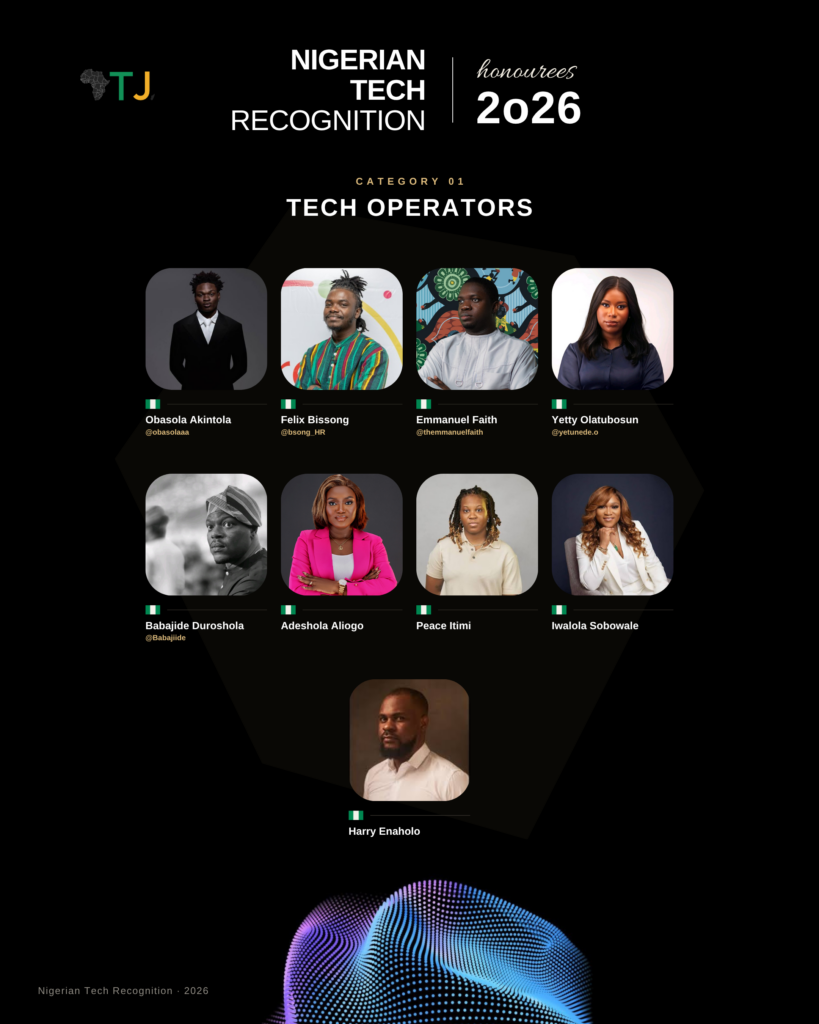
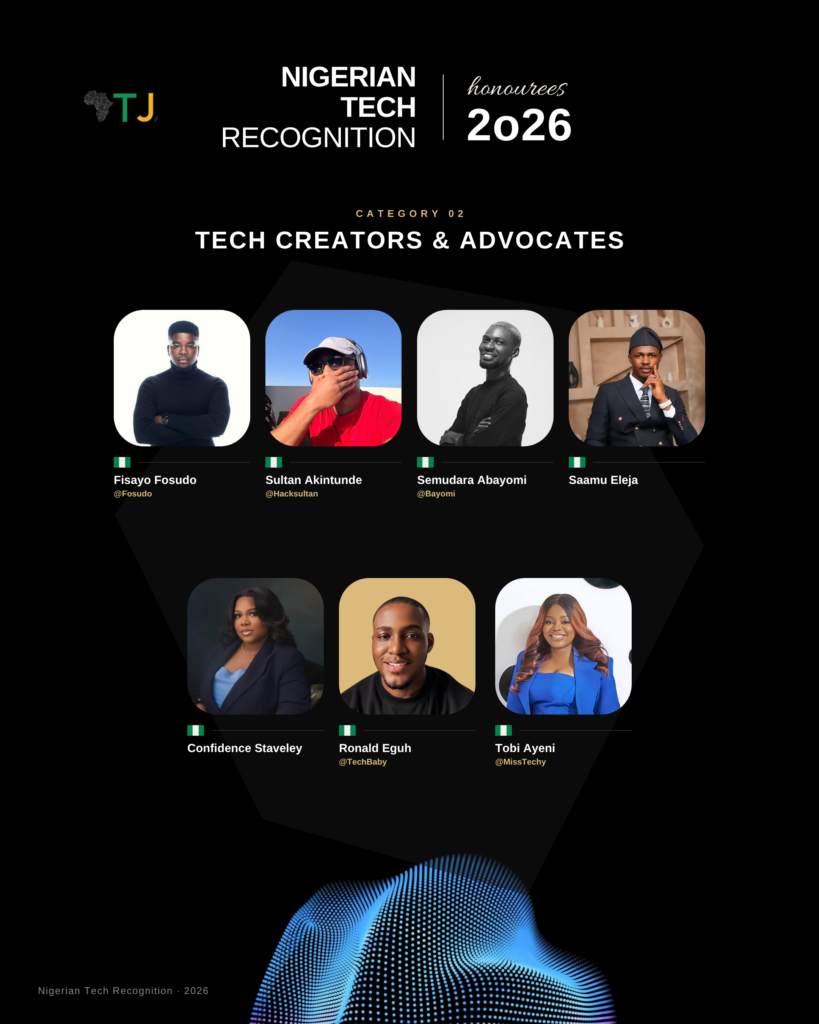
  • Nigerian Tech Recognition 2026: Celebrating the Operators and Advocates Behind the Nigerian Tech Ecosystem

    Nigerian Tech Recognition 2026: Celebrating the Operators and Advocates Behind the Nigerian Tech Ecosystem

    Every successful startup has a story. Every product that changes lives has people behind it who rarely make the headlines.

    The Nigerian Tech Recognition 2026 honours those people.

    From operators quietly building the systems that keep startups running to creators educating millions about technology, this year’s recognition celebrates professionals whose impact extends far beyond job titles.

    Rather than focusing solely on founders, the recognition highlights the ecosystem builders who strengthen Nigeria’s technology industry every day.

    The Nigerian Tech Recognition is an editorial initiative by African Tech Journal. Honourees are listed in no particular order and were selected based on African Tech Journal’s independent editorial research, industry observations, and assessment of their contributions to Nigeria’s technology ecosystem.

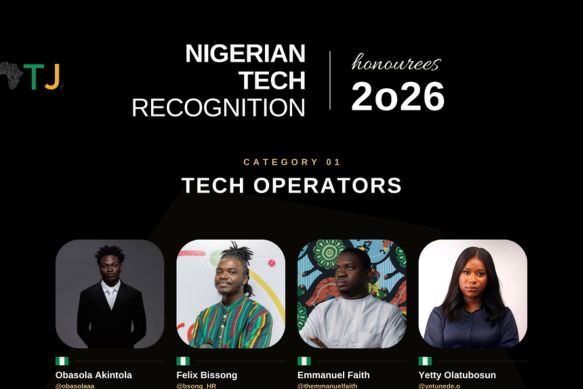
    Category 01: Tech Operators

    Behind every successful startup is a team of operators solving complex problems across people, product, marketing, growth, and operations. This category recognises professionals who have consistently demonstrated excellence in execution while helping technology companies scale.

    Honourees

    Obasola Akintola
    Senior Brand Designer

    Recognised for visual storytelling and building brand systems for fintech companies.

    Felix Bissong
    Founder, The GenZ HR Consult
    Honoured for advancing recruitment, organisational culture, and HR transformation across startups.

    Emmanuel Faith
    People & Culture Leader
    Recognised for driving talent growth, employee retention, and culture initiatives within technology organisations.

    Yetunde Olatubosun
    Social Media Leader & Convener, EngageCon
    Honoured for building social-first marketing strategies and creating experiential campaigns that strengthen communities.

    Babajide Duroshola
    Growth leader
    Recognised for leading growth and expanding access to tech-enabled asset financing in Nigeria.

    Adeshola Aliogo
    Head of People Operations
    Honoured for excellence in talent acquisition and performance management across fast-growing companies.

    Peace Itimi
    Marketing Leader & Storyteller
    Recognised for delivering high-impact fintech marketing campaigns while helping brands communicate with clarity and authenticity.

    Iwalola Sobowale
    Founder, Usability for Africa
    Honoured for advancing user research, product design, and operational excellence across Africa’s technology ecosystem.

    Harry Enaholo
    Co-founder & CEO, Treford Africa
    Recognised for creating opportunities that upskill non-engineering professionals and expand access to careers in technology.

    Category 02: Tech Creators & Advocates

    Technology grows when knowledge is shared.

    This category celebrates creators, educators, reviewers, and advocates using content, communities, and education to make technology more accessible for millions of Africans.

    Honourees

    Fisayo Fosudo
    Tech Reviewer
    Recognised for producing trusted consumer technology reviews and helping audiences make informed purchasing decisions.

    Sultan Akintunde (Hacksultan)
    Co-founder, AltSchool Africa
    Honoured for empowering aspiring technology professionals through career education and practical learning resources.

    Semudara Abayomi (Bayomi)
    Product Designer & Creator
    Recognised for insightful conversations with builders and valuable content around product design and startup growth.

    Saamu Eleja
    Creator Advocate
    Honoured for building strategic creator communities that bridge the gap between creators, startups, and fintech companies.

    Confidence Staveley
    Educator & Commentator
    Recognised for advancing cybersecurity awareness and mentoring professionals pursuing careers in technology.

    Ronald Eguh (TechBaby)
    Tech Career Coach
    Honoured for helping thousands navigate careers in artificial intelligence, product marketing, and technology.

    Tobi Ayeni (MissTechy)
    Tech Creator
    Recognised for making consumer technology and software more accessible through engaging educational content.

    More Than Recognition

    The Nigerian Tech Recognition exists to spotlight the individuals who strengthen Nigeria’s innovation economy through consistent contribution, leadership, and excellence.

    Whether building products, growing teams, educating future professionals, or creating communities, each honouree represents the collaborative spirit that continues to position Nigeria as one of Africa’s leading technology ecosystems

    Congratulations to every recipient recognised in the 2026 Nigerian Tech Recognition. Your work continues to inspire founders, creators, operators, and the next generation of African innovators.

  • The IT Problem Nobody in Lagos Talks About (And the Company Built to Fix It — Krestkore Solutions

    The IT Problem Nobody in Lagos Talks About (And the Company Built to Fix It — Krestkore Solutions

    If your business has ever dealt with unreliable hardware, different vendors for every IT service, spiralling technology costs, or a team constantly struggling to keep up with tools that were supposed to make work easier, then you have already experienced the problem Krestkore Solutions was built to fix.

    These are not edge cases. They are the everyday reality for thousands of businesses across Lagos. And at the center of it all is a quiet but expensive issue: fragmented IT systems.

    One vendor handles hardware. Another handles software. A third manages networking. And when something breaks, responsibility becomes unclear. In many cases, businesses are left coordinating between multiple providers who were never designed to work together in the first place.

    Krestkore Solutions Limited was founded in response to this gap.

    The founding team observed a consistent pattern across Lagos businesses. Technology that was meant to improve efficiency was instead slowing operations down. The distance between technical systems and actual business outcomes was too wide, and very few providers were addressing it in a structured, end to end way.

    From that observation, Krestkore was built differently.

    Starting with a core team of engineers, developers, and analysts known internally as the Krestkore Tribe, the company launched with a focus on deep technical execution and a customer first design philosophy. The goal was not to add another IT service provider into the ecosystem, but to collapse the fragmentation entirely.

    Building IT as a Single System, Not Separate Services

    Most IT providers in Nigeria operate in silos. Krestkore’s approach was to eliminate those silos and design technology as a unified system under one accountable structure.

    That system includes hardware procurement, where enterprise grade equipment is sourced and deployed based on operational requirements rather than generic specifications. It includes custom software development, where tools are built around real workflows instead of forcing businesses to adapt to rigid templates.

    It also extends into network installation, ensuring stable, scalable infrastructure for multi location businesses, and corporate training programmes designed to make sure teams can actually use the systems being implemented.

    As the company puts it, the goal is to be “small enough to care about every detail, but skilled enough to handle enterprise level challenges.”

    What Changes When IT Stops Breaking Down

    For clients, the impact is often immediate. Faster response times, fewer operational disruptions, improved coordination across teams, and a general shift from reactive problem solving to stable, predictable systems.

    When technology is properly integrated, businesses stop spending time firefighting and start focusing on execution. The result is not just efficiency, but trust in the systems and in the teams using them.

    Internally, Krestkore applies the same structure to its own operations. The company uses advanced project management systems to coordinate engineering teams, manage supply chains, and track development workflows across multiple functions. In practice, it treats its own operations as a live demonstration of the systems it deploys for clients.

    As the team describes it, “Every time we build an unshakable digital foundation for a client, we are not just growing Krestkore — we are actively empowering tomorrow through innovation.”

    Beyond IT Support: Building for Africa’s Digital Future

    Krestkore’s roadmap is no longer limited to solving fragmented IT systems. The company is expanding into data intelligence, predictive analytics, and emerging technologies such as digital twin systems that help businesses simulate and optimise operations before execution.

    Corporate training programmes are also evolving alongside this expansion, with a stronger focus on preparing teams for more data driven and automated business environments.

    The long term ambition is clear. To become a defining force in Africa’s shift toward digital first operations, where businesses rely on integrated systems rather than disconnected tools and vendors.

    So, Is Your Technology Helping Your Business Grow?

    Krestkore Solutions works with SMEs, enterprises, and corporate teams across Lagos to design and implement end to end technology systems covering hardware, software, networking, and training under one structure.

    For many businesses, the question is no longer whether they have technology in place. It is whether that technology is actually working together or working against them.

    Because in today’s business environment, fragmented systems don’t just slow operations down. They define how far a business can go.

  • Tixdorm Started With a Simple Observation: Event Organizers Were Using Too Many Tools

    Tixdorm Started With a Simple Observation: Event Organizers Were Using Too Many Tools

    If you’ve ever organized an event in Nigeria, you’ve probably experienced this.

    Registrations happen on Google Forms. Payments come through bank transfers. Attendee lists live inside spreadsheets. Updates are sent through WhatsApp. On event day, volunteers manually check names against printed lists while attendees wait in line.

    Individually, each tool works.

    Together, they create unnecessary complexity.

    That was the pattern the founders of Tixdorm kept seeing while attending and working on events across Nigeria. Organizers spent more time coordinating software than creating memorable experiences. Every event seemed to rely on a patchwork of disconnected tools, with no single system tying everything together.

    That observation eventually became the foundation for Tixdorm.

    For years, event technology in Africa has largely focused on ticket sales. Once someone buys a ticket, organizers are often left to manage everything else themselves. Applications, volunteer management, attendee communication, event websites, analytics, check-ins, and post-event reporting typically happen across different platforms.

    The result is a fragmented workflow.

    As events become larger and communities continue growing, this fragmentation becomes increasingly difficult to manage. Organizers aren’t necessarily looking for more software. They’re looking for fewer operational problems.

    The founders believed the opportunity wasn’t to build another ticketing platform.

    It was to build the infrastructure behind modern events.

    That thinking shaped Tixdorm into something broader than ticket sales.

    Today, the platform combines registrations, applications, attendee management, QR code check-ins, communications, analytics, event websites, and developer infrastructure into a single operating system for event organizers.

    One of the company’s biggest milestones has been the introduction of the Tixdorm API.

    Rather than asking organizers to abandon their existing websites or customer experience, the API allows developers and organizations to integrate Tixdorm’s event infrastructure directly into their own platforms. Organizers keep their brand while Tixdorm quietly manages the operational complexity behind the scenes.

    For the team, this represents a shift from building a product to building infrastructure.

    The company was bootstrapped from the beginning, relying on in-house expertise across product design, software development, branding, and community building rather than external funding. Product decisions were shaped less by assumptions and more by conversations with student leaders, creators, conference organizers, brands, and event communities who continued highlighting the operational challenges they faced. Many of the platform’s most valuable features came directly from those conversations rather than internal brainstorming sessions.

    Since launch, Tixdorm has supported campus events, conferences, creator communities, entertainment experiences, and community gatherings across Southwest Nigeria. As adoption has grown, the company has also expanded its role beyond software by helping organizers with marketing, event websites, and attendee engagement.

    The next phase focuses on expansion.

    The company is preparing to grow into Southeast Nigeria through strategic partnerships while continuing to strengthen its developer ecosystem. Long term, the ambition extends beyond individual events.

    Tixdorm wants developers, universities, brands, entertainment companies, communities, and conference organizers to build on top of its infrastructure instead of recreating common event functionality every time.

    As Africa’s events industry continues to mature, the demand for reliable operational infrastructure is likely to grow alongside it.

    For Tixdorm, the future is no longer just about helping people sell tickets.

    It is about becoming part of the infrastructure that powers how events are created, managed, and experienced across Africa.

  • Why Your Next Phone or Laptop Is About To Cost More ,Thanks To AI

    Why Your Next Phone or Laptop Is About To Cost More ,Thanks To AI

    AI is buying up the world’s memory chips and Nigerian buyers will pay for it twice.”

    Let’s say you’ve been saving up ₦450,000 for a new laptop, planning to buy in December, by the time you get there, that same laptop might cost ₦550,000 or the ₦450,000 version might come with less storage and RAM than it had six months ago. It is not a pricing gimmick, it would trace back to this simple cause: AI data centers are buying up the memory chips that used to go into your phone and laptop.

    Every phone, laptop and tablet needs a chip called RAM (memory) to run. So does every AI system: ChatGPT, Gemini, the models powering self-driving cars, all of it. The problem is that the same handful of factories make memory chips for both and right now, there isn’t enough to go around.

    Here’s the part that matters: AI chips need a special, more expensive type of memory called HBM (high-bandwidth memory). Think of it like premium fuel versus regular fuel, it’s the same basic product, but one sells for far more.

    A chunk of HBM memory can sell for $60–$100, the same amount of ordinary RAM, the kind in your phone, sells for $5–$10, according to industry reports on the shortage.

    So when a factory has to choose what to produce, it’s not really a choice. Samsung, SK Hynix, and Micron — the three companies that make almost all the world’s memory chips have shifted the bulk of their factories toward HBM for AI.

    That leaves a shrinking slice for everyone else, and it’s why memory prices have jumped over 50% in a single quarter. It is important to emphasize that this isn’t a “coming soon” problem, Apple has already raised prices on MacBooks and iPads, directly blaming the memory shortage. 

    Manufacturers have two ways to deal with this: raise the price, or quietly cut corners. Expect both, a phone that looks the same as last year’s model might ship with a weaker camera, a dimmer screen, or less storage, the same trick soft-drink companies use when they shrink the bottle instead of raising the price.

    Micron itself has said it’s already sold out of 2026 production, and new factories won’t come online until 2027 and 2028 at the earliest.

    Nigerian buyers are about to get squeezed from two directions at once: the naira has already made imported devices expensive in dollar terms, this shortage adds a second, separate layer of cost on top of that, one that has nothing to do with the exchange rate and everything to do with a factory decision made on the other side of the world. The people who’ll feel it first are the ones buying entry-level devices from students, small business owners, anyone stretching to afford their first smartphone or laptop.

    That segment is exactly where manufacturers cut costs first, either by raising prices or dropping the cheapest models altogether.

    One likely side effect worth watching: Nigeria’s already-strong market for fairly-used “London Used’ and refurbished phones and laptops could grow even more as new devices become harder to justify. When new-device prices climb, second-hand markets usually absorb the overflow and Nigeria already has the infrastructure and buyer habits for that. 

    AI’s costs don’t stay contained to AI companies, when a GPU maker and a phone maker are bidding for the same factory output, the phone maker loses and that cost lands on whoever’s buying a device at the till.

    If you’ve been planning to upgrade your phone or laptop, the data points in one direction: sooner is cheaper than later, and relief isn’t expected before 2028.

    Sources:

    1. Tech Insider, The 2026 Memory Chip Shortage: How AI Data Centers Are Making Your Laptop and Phone More Expensive: https://tech-insider.org/memory-chip-shortage-2026-ai-consumer-electronics/
    2. Digital Citizen, Memory Prices Could Rise by Up to 50% in Late 2026 as AI Demand Tightens Supply, June 30th, 2026: https://www.digitalcitizen.life/memory-prices-could-rise-by-up-to-50-in-late-2026-as-ai-demand-tightens-supply/
    3. IDC, Global Memory Shortage Crisis: Market Analysis and the Potential Impact on the Smartphone and PC Markets in 2026, December 18th 2026: https://www.idc.com/resource-center/blog/global-memory-shortage-crisis-market-analysis-and-the-potential-impact-on-the-smartphone-and-pc-markets-in-2026/
  • How Nahme Is Using AI to Return “Memories” to the People Who Made Them

    How Nahme Is Using AI to Return “Memories” to the People Who Made Them

    A few weeks ago, a woman jokingly called out her church on Instagram.

    For more than a year, she had attended services consistently. She arrived early, sat in the front row, participated actively, and appeared in countless photographs taken during church events. Yet somehow, none of those photos ever made it to social media.

    The post was funny, but the comments told a different story. Dozens of people shared similar experiences. They had attended weddings, conferences, concerts, festivals, and community gatherings, watched photographers capture moments around them, and then never saw those images again.

    It exposed a problem most people rarely think about until it affects them personally.

    In today’s digital culture, photos are more than files.

    They are proof of participation, memories preserved in time, and increasingly, part of how people document their lives online. Yet millions of event attendees remain invisible after the event ends—not because photographs were never taken, but because they have no practical way of finding them.

    For photographers and event organizers, the challenge is equally familiar. Thousands of images are uploaded to Google Drive folders, Instagram pages, WhatsApp groups, and cloud storage platforms. Organizers cannot realistically tag every attendee or manually sort images for individual guests.

    The photos exist, but access remains fragmented.

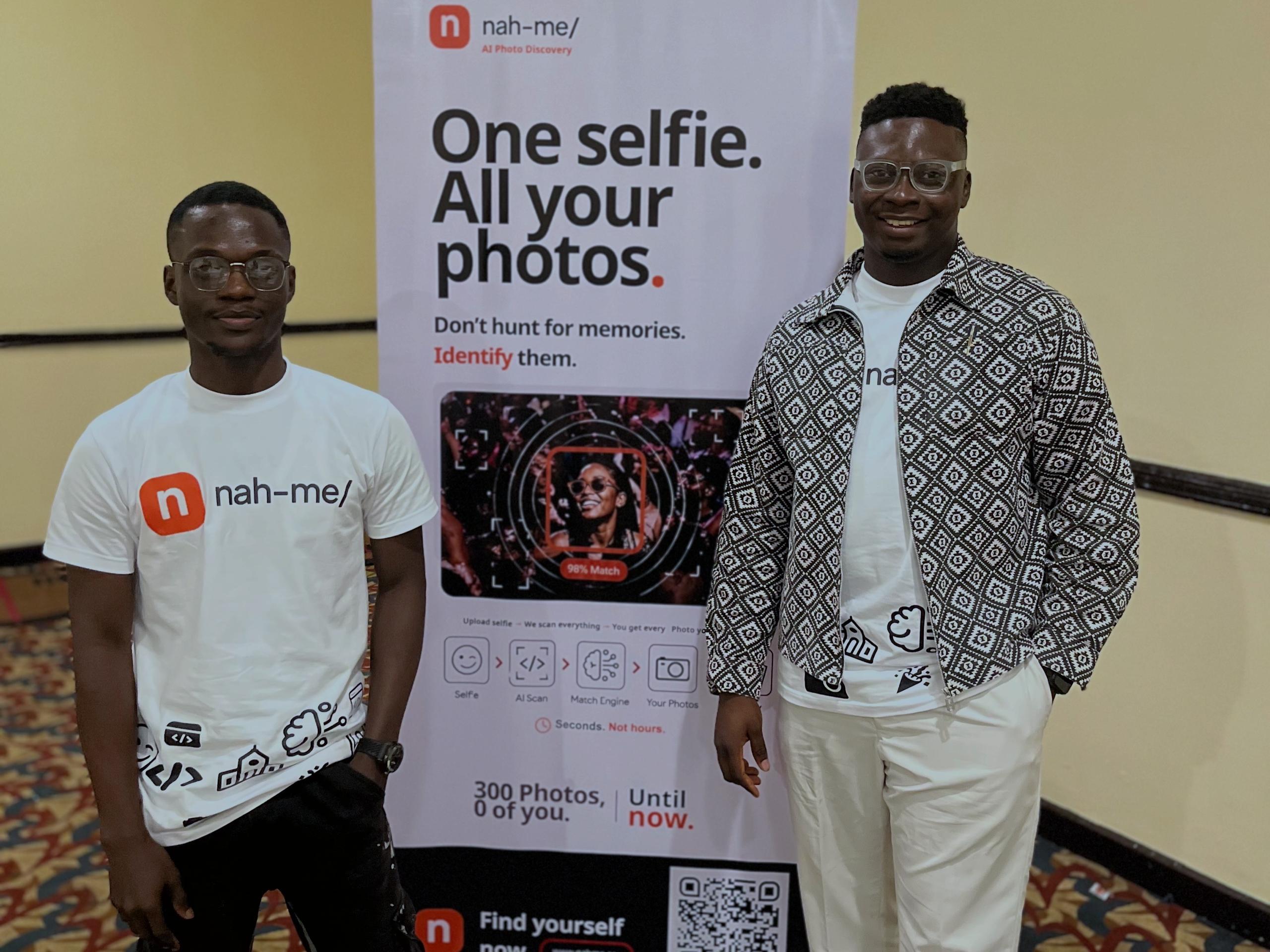
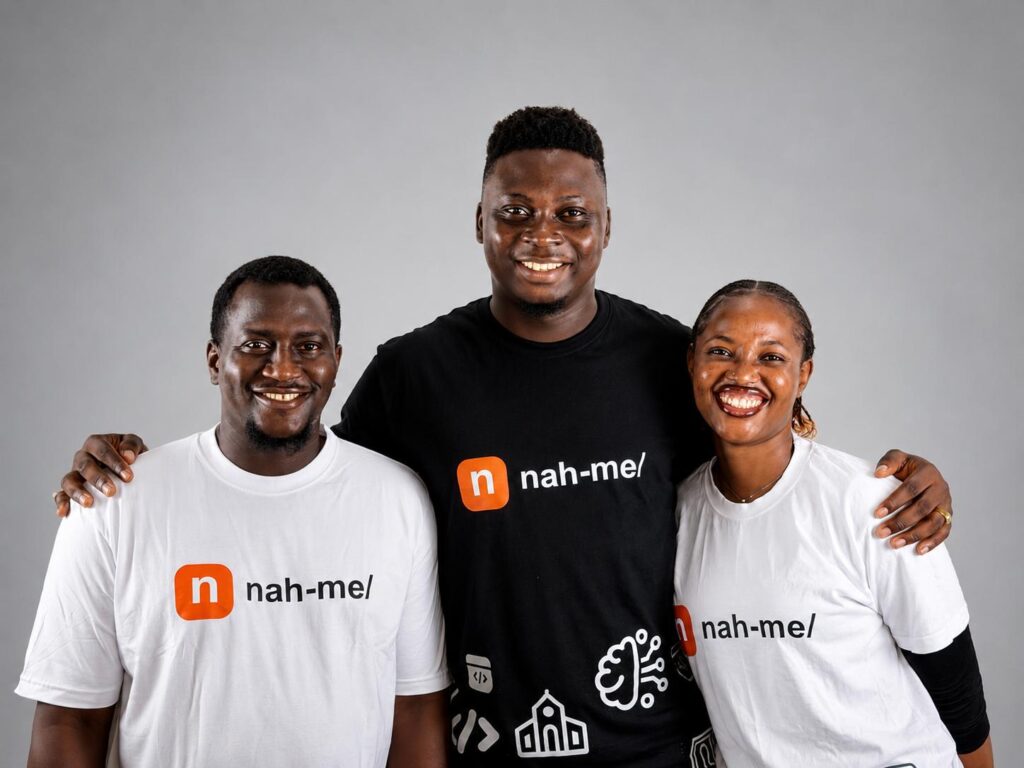
    That observation became the foundation for Nahme.

    Rather than viewing photography as the problem, the startup identified a deeper issue: identity and access.

    The question was simple—what if people could instantly find every photo they appear in without searching through hundreds or thousands of images?

    Nahme’s answer combines facial recognition technology with a frictionless user experience. Users simply take a selfie or upload a reference image, and the platform scans event photo collections to identify every image in which they appear. No app download is required. No account creation is necessary. No manual tagging process exists.

    The experience transforms photo discovery from a frustrating search exercise into a personalized retrieval system.

    The company officially launched in May and has spent its early months validating the product in real-world environments, particularly across churches, events, and large gatherings. Instead of relying on assumptions, the team has adopted an iterative approach, gathering user feedback directly from live deployments and refining the product in real time.

    Its use of artificial intelligence reflects a broader trend emerging across African technology ecosystems. Increasingly, startups are not building AI products for the sake of artificial intelligence itself. Instead, they are applying AI to solve specific, everyday problems that already exist.

    For Nahme, facial recognition is not the product; it is the infrastructure that makes personalized memory retrieval possible.

    “Wait… how did you find all my pictures?” In processing over 10,000 photos across the platform, this has become one of the most consistent responses from users. According to the founders, it is often people’s immediate reaction when trying the platform for the first time. 

    That moment of surprise highlights the larger opportunity.

    As events continue generating millions of images across Africa and beyond, the challenge will no longer be capturing memories. It will be helping individuals access the moments that belong to them. In that sense, Nahme is not attempting to disrupt events or photography. People will continue gathering, celebrating, and documenting their experiences.

    The startup’s ambition is simpler: ensuring that when the camera captures a moment, the people in it can actually find it again.

    And in a world overflowing with digital content, that may prove more valuable than it sounds.