Years ago, while working retail at Lululemon in Canada, he noticed something almost everyone had accepted as normal: long checkout lines. Customers waited. Staff rushed. Stores lost time. Friction was everywhere.
For many people, it would have remained an annoyance. For Samuel Ayo Oyedemi, it became the seed of Skaap, founded in 2025 and now building at the intersection of AI, retail infrastructure, and nutrition intelligence.
And what started as a self-checkout idea is quietly becoming something much bigger.
The Problem Was Never Just Checkout
Retail, particularly physical retail, has always had an invisible inefficiency tax.
Consumers waste time in lines, and retailers struggle with store throughput. And increasingly, shoppers are making food decisions with very little understanding of what they are buying.
Skaap appears to sit at the intersection of all three.
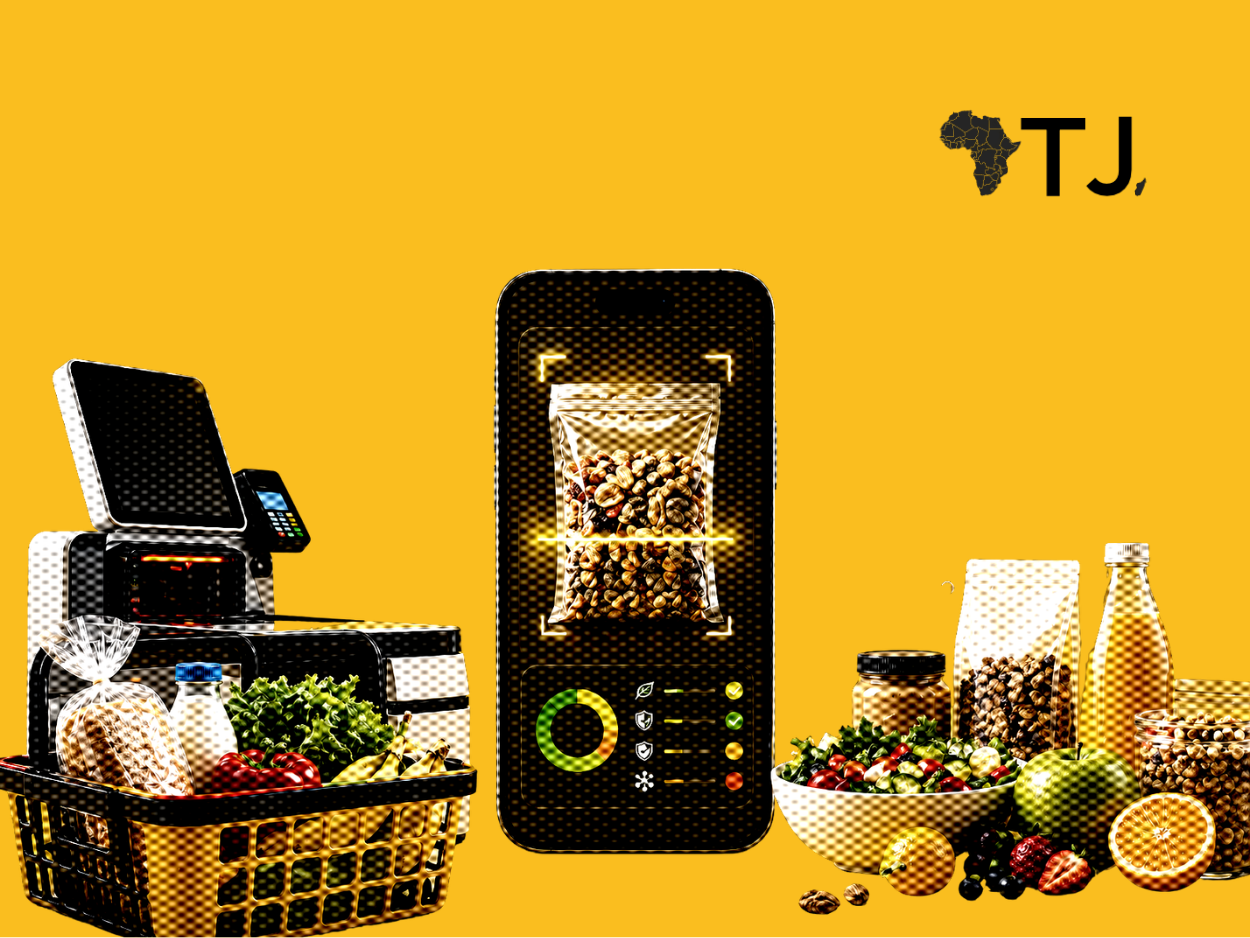
Its original wedge into the market was mobile self-checkout, allowing users to scan products, pay, and walk out, reducing traditional checkout friction.
Then Skaap Pivoted Into Something Unexpected: Food Intelligence
The bigger surprise may be what came next.
Rather than stop at checkout, Skaap expanded into what it calls Food Intelligence — an AI-powered layer that helps consumers understand what is actually inside the food they consume.
According to the company, the feature attracted 2,000 users in under five weeks.
That may sound modest by consumer internet standards. But for a behavior-changing health utility, it is a signal.
Skaap’s AI analyzes food substances, decodes ingredient labels and helps users understand whether a product aligns with their nutritional profile.
Take the recent controversy involving Bon Bread, where concerns raised online about bread quality sparked wider debate around preservatives, ingredients and food transparency.
Whatever side of that debate one sits on, it surfaced a bigger issue: many consumers have questions about what is in everyday products, but often lack tools to interpret labels or verify what they are consuming.
That is exactly where Skaap’s use case starts to feel timely.
Instead of relying on speculation or viral discourse, a user could scan a product, decode additives, and make a more informed decision before purchase.
That moves Skaap beyond convenience and closer to something more foundational: consumer clarity.
From Lagos Roots to 9 Countries
Though founded by a Nigerian, Skaap’s ambitions have never been geographically narrow.
Its Food Intelligence product is already live in nine countries, according to the company, with long-term plans to expand further — including Nigeria.
And the company has already started attracting editorial attention.
Recent coverage from Techpoint Africa profiled how Samuel Ayo is taking a Nigerian-inspired retail solution into Canada and the US. (Techpoint Africa)
The startup has also participated in DMZ, often described as one of Canada’s leading startup programs. (Nigerians in Canada)
For an early-stage company, those signals matter.
A Product That Doesn’t Want You to Download Another App
One subtle but important product choice says a lot about Skaap’s philosophy.
It is not pushing a traditional mobile app model.
Instead, the company operates via a Progressive Web App (PWA), allowing users to access the product from the browser and pin it to a home screen.
What If the Future of Retail Intelligence Is Invisible?
The most interesting companies often make complexity disappear.
Skaap seems to be betting that the future of retail and food intelligence should feel ambient — almost invisible.
And while still early, the contours are becoming visible:
Connect With Skaap Tech
Website: https://www.useskaap.com
Founder LinkedIn: Samuel Oyedemi on LinkedIn
Editorial Features:
- Techpoint Africa Feature on Skaap
- Nigerians.ca Founder Spotlight
- LinkedIn: Skaap (https://www.linkedin.com/company/skaaptech/)
- Instagram: @ useskaap