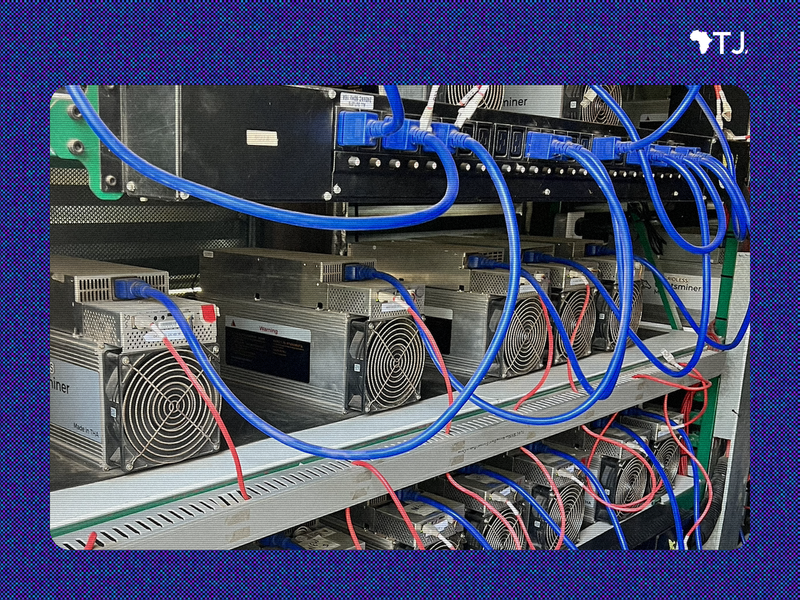
DigiOats explores data center development in Nigeria’s oil-producing South-South region. seeking to convert gas routinely burned at petroleum facilities into power for digital infrastructure while addressing the environmental costs of energy-intensive computing. This initiative would pair gas-capture systems and modular electricity generation with data centers, high-performance computing equipment and Bitcoin mining rigs. It reflects an effort by DigiOats, which has built its presence around digital asset education and research, and extends into physical infrastructure at the intersection of energy, technology and climate finance.
DigiOats has not disclosed investors’ identities, committed capital, specific sites or a construction timetable. Any deployment depends on agreements, technical feasibility, regulatory approvals. Nigeria flared 215.09 billion cubic feet of natural gas in 2025, equal to 7.89% of its reported gas production, according to figures from the Nigerian Upstream Petroleum Regulatory Commission reported in November. The level underscores the scale of a resource that could support domestic industry if developers can overcome infrastructure and investment constraints.
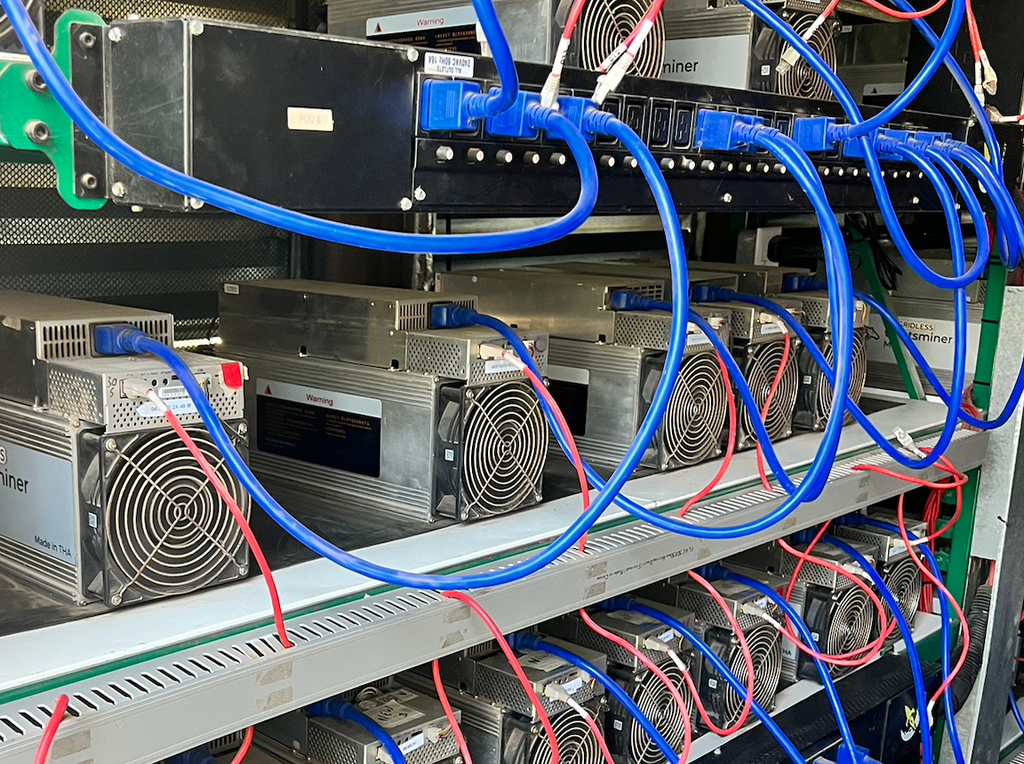
Image source : DigiOats
The problem extends well beyond Nigeria. The World Bank’s 2026 Global Gas Flaring Tracker estimates that producers worldwide burned 167 billion cubic meters of gas in 2025, worth roughly $54 billion. Nigeria was among nine countries responsible for more than four-fifths of global flaring. The figures highlight both the economic loss and the challenge of curbing emissions in regions dependent on oil production.
“An economy cannot keep treating usable energy as waste while asking how to finance the infrastructure of its digital future,” said Heritage Falodun, CEO and Co-founder of DigiOats. “stranded resources can support productive computing, but the commercial returns must be matched by credible environmental results.”

Image source : DigiOats
DigiOats’ concept captures qualifying gas before it reaches the flare, treats it to meet equipment specifications and uses it to fuel generators. Electricity could then supply modular computing facilities located near production sites, potentially reducing the need for expensive long-distance gas pipelines or connections to strained electricity networks. The company’s model therefore treats stranded-gas utilization as an infrastructure business rather than a stand-alone bet on cryptocurrency prices. Computing demand could be diversified over time, although the economics of mining would remain sensitive to Bitcoin prices, network difficulty, hardware efficiency and electricity costs.
Nigeria adopted a national carbon-market framework in October 2025 and approved its operationalization in January 2026, creating a stronger policy basis for carbon-market activity. “We build the measurement into the infrastructure from day one so that customers, regulators and investors can see what gas is recovered, what electricity is produced and what emissions are actually avoided.” Heritage Falodun said.
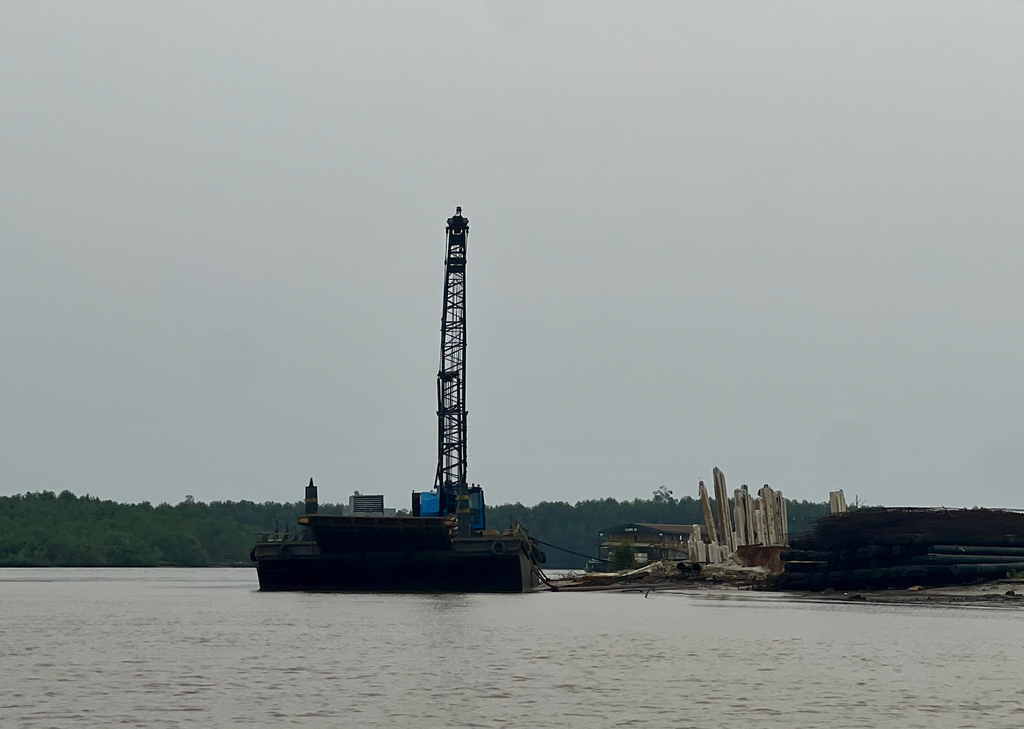
Image source : DigiOats
Chinese participation tends to supply capital, engineering capabilities or equipment procurement, no public record yet. The prospect nevertheless points to a wider opportunity for partnerships connecting foreign infrastructure investors with Nigeria’s underused energy resources and expanding digital economy. DigiOats continues proving that Africa can turn an energy liability into computing capacity, skilled employment and measurable environmental progress, without asking communities to absorb another generation of unchecked pollution.”