Slingshot: Rebuilding Africa’s Workforce for What Comes Next
There’s a quiet shift happening across Africa’s workforce—and it’s not being driven by job titles, degrees, or even traditional career paths.
It’s being driven by pressure.
Pressure from automation reshaping roles faster than institutions can adapt.
Pressure from a young population entering a job market that isn’t expanding at the same pace.
Pressure from founders and operators who need talent that can execute, not just qualify.
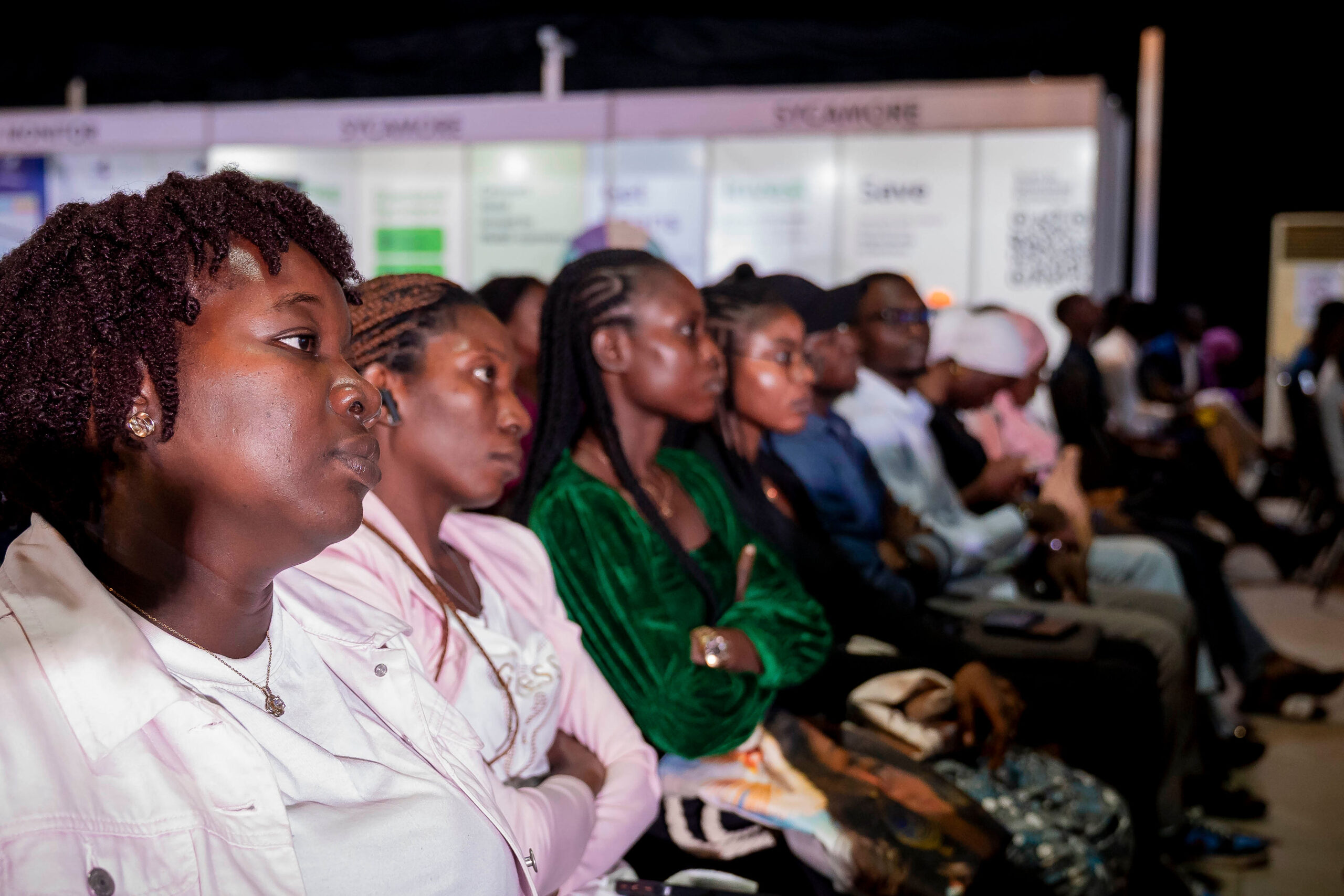
This is the context in which the 3.0 edition of the African Workforce Summit arrives—with a theme that feels less like a slogan and more like a strategy: Slingshot.
Because Africa doesn’t need a gradual push forward. It needs acceleration.
Why “Slingshot” Matters Now
A slingshot doesn’t move forward by default. It stretches backward first—creating tension, building force, and then releasing at speed.
That metaphor fits where Africa is today.
Across sectors, we’re seeing a workforce that is being pulled in multiple directions:
- Traditional education vs. skills-based learning
- Local opportunities vs. global remote work
- Employment vs. entrepreneurship
- Stability vs. adaptability
What looks like fragmentation is actually tension. And if harnessed correctly, that tension can become momentum.
The question is no longer whether Africa’s workforce will evolve.
It’s how fast—and in what direction.
From Conversations to Execution
The African Workforce Summit has, over its previous editions, positioned itself as more than a convening. It’s become a space where policy meets practice, and where ideas are stress-tested against real market conditions.
But 3.0 feels different.
There’s a noticeable shift from diagnosing problems to designing systems:
- How do we build talent pipelines that match the realities of African startups—not imported frameworks?
- What does workforce readiness look like in an AI-influenced economy?
- How do companies hire for potential, not just pedigree?
- And how do young Africans position themselves not just as job seekers, but as value creators?
These aren’t abstract questions anymore. They’re operational decisions.
The New Definition of “Workforce”
For a long time, the idea of a workforce was tied to employment—jobs, offices, organizations.
That definition is breaking.
Today, Africa’s workforce includes:
- Creators building global audiences from local contexts
- Developers contributing to distributed teams across continents
- Operators scaling startups in markets with limited infrastructure
- Informal workers leveraging digital tools to formalize income streams
The lines are blurring. And that’s exactly where the opportunity sits.
A “slingshot” moment isn’t about returning to stability—it’s about redefining what stability even means.
Builders, Not Bystanders
One of the most important shifts happening across the continent is psychological.
There’s a growing recognition that waiting for systems to work is no longer a strategy.
The next generation of African talent is increasingly:
- Learning in public
- Building in iterations
- Monetizing early
- And collaborating across borders
They are not waiting to be absorbed into the workforce.
They are actively reshaping it.
The role of platforms like the African Workforce Summit, then, is not just to spotlight this shift—but to accelerate it.
What Success Looks Like After 3.0
If the summit achieves anything, it shouldn’t just be more conversations or more visibility.
It should be clarity.
Clarity for:
- Founders trying to build teams that can scale with uncertainty
- Policymakers navigating the balance between regulation and innovation
- Talent looking for direction in a landscape with too many options and not enough guidance
And most importantly, clarity on one thing:
Africa’s workforce advantage will not come from size alone.
It will come from alignment—between skills, opportunities, and systems that actually work.
The Release Point
A slingshot is only effective if it releases at the right moment.
Too early, and the impact is weak.
Too late, and the tension becomes strain.
Africa is approaching that release point.
The 3.0 edition of the African Workforce Summit isn’t just another event on the calendar. It’s part of a broader inflection point—one where the continent has the chance to move from potential to precision.
From participation to leadership.
From catching up to setting the pace.
The tension is already there.
Now it’s about how far—and how fast—we’re willing to go.