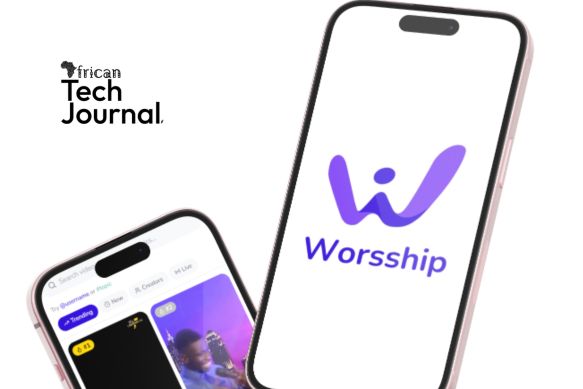
A few months after converting to Christianity through marriage, Worsship’s founder found herself experiencing something she couldn’t quite explain.
She had just finished watching a sermon on YouTube.
The message was powerful. It challenged her thinking. It stayed with her long after the video ended.
Then the algorithm did what algorithms do. The next recommendation had nothing to do with faith.
The moment disappeared almost instantly.
There was nowhere to discuss what she had learned. No community that understood what she was processing. No space designed for believers navigating similar journeys.
Despite having access to endless faith content online, she still felt alone. That moment stayed with her.
And eventually, it became the foundation for Worsship.
For many people, discovering faith as an adult can be surprisingly isolating. Finding sermons, devotionals, and Christian content has never been easier. YouTube, Instagram, TikTok, and podcasts have created an endless supply of spiritual content.
But content and community are not the same thing.
People can spend hours consuming faith-based videos without ever building meaningful relationships with other believers. They can listen to sermons daily and still struggle to find spaces where they can ask questions, request prayer, share experiences, or simply feel understood.
The internet solved access. It never fully solved belonging.
That gap became increasingly obvious to Worsship’s founder. Rather than creating another content platform, she began imagining a space built specifically around what happens after the sermon ends.
The result is Worsship.
A platform designed to combine short-form Christian content, creator communities, anonymous prayer requests, live engagement features, creator tipping, and community channels into a single faith-focused ecosystem.
The goal is not simply to help people watch more content. The goal is to help them stay connected to faith throughout their daily lives.
Building that vision came with challenges.
The founding team initially came from backgrounds more familiar with fintech infrastructure than video streaming. Building a consumer-facing platform required learning entirely new technical disciplines, from content delivery and video storage to streaming reliability and scalability.
The costs were significant.
Video platforms demand infrastructure long before they generate meaningful revenue. Storage, delivery networks, and streaming systems create expenses that arrive long before growth does.
Yet the team remained convinced they were solving a problem worth pursuing.
That conviction appears to be resonating.
Within the first week of actively introducing Worsship to the market, the platform onboarded 15 creators through direct conversations alone. More importantly, creators immediately understood the vision behind what was being built.
For the founder, one milestone stands above every metric.
The first creator who uploaded a video and described the platform as feeling like home. Because that response validated the original idea.
Worsship is ultimately betting on a larger shift.