One of us went to buy a basic food item in Lagos during the Salah period and was quoted a price that felt unusually high. Later that same day, the exact item was found selling for significantly less in another city.
That experience made something clear.
Many Nigerians are not overpaying because they are careless. They are overpaying because they do not have access to reliable price information.
Operating in Nigeria means constantly dealing with price changes. Inflation is not abstract. It shows up in everyday purchases. Prices shift quickly, and most people are left to guess what is fair.
Over time, people develop their own systems. They call friends. They ask traders. They compare notes informally. It works, but only within small circles. Beyond that, there is no structure.
We were not trying to change how people buy. We were trying to give them better visibility before they spend.
Building Around Existing Behaviour
From the beginning, the insight was simple. People are already sharing price information. It just does not scale.
Technology became the way to organize that behaviour. Instead of building something complex, we focused on simplicity. A web-based platform where people can easily contribute prices and find information quickly.
The goal was not to replace the market culture. It was to structure it.
As the platform grew, the model shifted. Instead of chasing data ourselves, the community became the source. The platform became the system, and the users became the engine.
Earning Trust Before Scale
One of the biggest challenges was trust.
Price is sensitive. People are naturally skeptical, especially in a market where information is often unreliable. We had to prove that Bango existed to empower users, not to take advantage of them.
Growth came without paid advertising. In just over a month, we crossed 1,000 users organically. More importantly, users were contributing data on their own. That was the real signal.
Trust was forming.
From Guesswork to Data
As more people began using the platform, behavior started to shift.
Instead of relying purely on instinct, users began checking prices before buying. There was a gradual move from guesswork to more informed decisions.
Technology also removed location barriers. Someone could now access price insights beyond their immediate environment. What used to be limited to a small network could now be shared more widely.
Building a Shared System
What Bango is building is not just a tool. It is a shared system.
A way for people to look out for one another before spending their money. A way to make pricing more transparent, not just for buyers, but for sellers as well.
Looking ahead, the focus is on improving data accuracy, expanding commodity coverage, and building smarter tools that help users act confidently.
The vision is simple.
To create a trusted network at scale, where Nigerians are better informed, more confident, and less exposed to inconsistent pricing.
Because sometimes, the most valuable information is knowing what something should actually cost.
In 2016, the idea that would eventually become PlyVerd did not look like a tech startup.
It looked like frustration.
Nkwachikwere Amadi was running a travel agency while pitching software solutions when he helped a student apply to study abroad using the traditional manual method. The process was fragmented, paperwork-heavy, and ultimately unsuccessful. Schools in Lagos and Abuja rejected partnership attempts. The system felt opaque and inefficient.
But one question stayed with him:
What if this could be rebuilt as technology?
He carried that thought for years. In 2022, he finally acted on it.
With just $100, Google Forms, Airtable, and a basic WordPress site, he launched DemeraldStudys. There were no investors. No safety net. Just the determination to solve a problem he had seen derail lives.
Still, something felt incomplete.
At Lagos Startup Week in 2023, Amadi had a defining realization. He was not supposed to digitize the old immigration model. He needed to rebuild it entirely.
The core insight behind PlyVerd is simple but powerful.
Talent is borderless. Opportunity is not.
Across Africa, highly skilled professionals face invisible walls not because they lack ability, but because the migration process is often chaotic, opaque, and riddled with misinformation. Families liquidate savings. Professionals trust unverified “agents.” Rejections become financially and emotionally devastating.
PlyVerd was built to replace guesswork with structure.
Instead of acting as a traditional travel agency or document processor, the platform positions itself as an operating system for legal migration. It consolidates a user’s entire immigration history, audits eligibility across countries, and tracks application progress in a centralized digital vault.
Migration, in this model, becomes a managed lifecycle rather than a one-time gamble.
Bootstrapping in a Low-Trust Market
Starting in Nigeria’s immigration services market meant confronting a credibility crisis.
The industry has long been associated with scams, broken promises, and exploitation. Convincing users that PlyVerd was infrastructure, not another scheme, was one of the company’s steepest challenges.
The early phase between 2022 and 2023 relied on simple tools. Google Forms, Airtable, and WhatsApp communities were used to validate demand and prove that transparency itself had value. Over 1,800 community members engaged during this period.
But the scale required more than spreadsheets.
Immigration policies change constantly, with hundreds of updates globally each year. Manual tracking could not keep up. In 2024 and early 2025, the team rebuilt everything into a proprietary AI-driven compliance engine that automates eligibility assessments, identifies documentation gaps, and flags risk factors before submission.
In July 2025, PlyVerd officially launched its WebApp.
Data as Dignity
One of the most transformative shifts for users has been psychological.
Before PlyVerd, applicants depended on agents for updates. Documents were scattered. Past applications were difficult to track. The process felt opaque.
With PlyVerd’s Digital Vault, users consolidate visas, credentials, and documentation into one secure system they control. They can audit their profile against major pathways, including the UK, US, Canada, and Australia, simultaneously.
This transparency shifts migration from desperation to strategy.
To date, the platform has completed over 900 eligibility assessments and maintains a 100 percent client satisfaction rate, all achieved without paid advertising. The business has grown sustainably through customer revenue.
As users mature on the platform, their behavior evolves. The question shifts from “How fast can I leave?” to “How do I optimize my profile across multiple countries?”
That change signals deeper product-market alignment.
Defining Migration as a Service
PlyVerd is positioning itself within a new category: Migration as a Service.
Instead of selling visa outcomes, it productizes the process itself. The value lies in clarity, compliance, and lifetime profile management.
Amadi believes the future of migration is digital-first and AI-driven. Physical paperwork is fading. E-visas are becoming standard. Borderless identity management will define the next era.
PlyVerd’s long-term vision is ambitious: audit and secure 600,000 African profiles within three years and become the trusted operating system for African mobility.
The company is also exploring interoperability with embassy systems for one-click verification and building toward a future where digital mobility profiles function much like financial credit scores.
Building With Discipline
Bootstrapping from $100 shaped PlyVerd’s philosophy.
Constraints forced focus. Every feature had to solve a real problem. Customer revenue validated demand more reliably than investor capital.
If funding comes, the priority remains infrastructure and access. Strengthen the digital identity backbone. Expand language support. Improve mobile-first accessibility. Move faster without sacrificing sustainability.
The Mission
At its core, PlyVerd is about agency.
It envisions a future where an African professional can open a dashboard and know with certainty where their skills are competitive globally. Where migration decisions are informed by data, not desperation.
February 21, 2026. Lagos. 100 founders. One mission: build startups that don’t break under legal scrutiny.
What started in Kigali as an experiment in authentic founder conversations is coming to Lagos and it’s bringing something Nigerian tech rarely talks about openly: the compliance gap that kills promising startups.
Baraza Lagos: Tech Compliance & Legal Summit isn’t another pitch event or networking circus. It’s a 100-person advisory session designed around a single question: How do you build a tech company that’s scalable, investment-ready, and legally bulletproof?
The answer, according to organizers like Semudara Abayomi and Abisinuola Adedeji, isn’t more inspiration. It’s honest conversations about the regulatory minefields founders navigate daily and the practical tools to avoid them.
From Kigali to Lagos: The Baraza Model
The name comes from the Swahili word for “council” or “gathering” and that’s precisely the vibe. Not panels with polished slides. Not keynotes from people who haven’t built recently.
When Baraza launched in Kigali in November 2025, it attracted participants from seven countries and served as a pre-mixer for larger ecosystem gatherings like Norrsken Africa Week. Lagos inherits that model but adds a critical partner: the Nigerian Bar Association (NBA) Lagos Branch. This means founders get direct access to the legal expertise that determines whether a startup scales or stalls at Series A due diligence.
What Founders Actually Get
1. Compliance That Unlocks Capital
VCs invest in structures that won’t blow up during due diligence. Baraza Lagos tackles the unsexy fundamentals:
Corporate structuring that survives scrutiny.
Equity distributions and vesting schedules.
IP protection and NDPR (Data Privacy) compliance.
2. Regulatory Navigation
African landscapes are fragmented. Sessions break down how to actually navigate:
CBN guidelines for fintechs.
SEC rules for crypto and web3.
Cross-border compliance for regional scaling.
3. The 100-Person Advantage
By capping attendance at 100, Baraza ensures connection quality. Past attendees from Kigali report pitch decks refined on the spot, co-founders found, and investor intros made through these high-trust interactions.
Who This Is For
Founders raising or planning to raise (Seed to Series A+).
Co-founders navigating equity splits or governance.
Operators building compliance into company culture.
For years, Nigeria’s tech story has followed a predictable path. If a startup is serious, ambitious, or scalable, it must come from Lagos. The coast became shorthand for opportunities, while other cities were treated as feeders at best.
But as Lagos grows more crowded and expensive, that assumption is beginning to crack. And Ibadan is one of the cities proving why innovation no longer needs to be coastal.
Ibadan has always been known for education and culture, but in recent years, something else has been taking shape. Builders are no longer just learning there; they are building real products, creating companies, and attracting attention beyond the city.
Ibadan Tech Expo didn’t create this momentum, it revealed it.
Speaking on what the Lagos-first narrative has ignored, Mr Taiwo, the World’s Best CMO, a prominent marketing executive who frontlined spreading the news of Ibadan Tech Expo independently, explains:
“Cities like Ibadan are underestimated under the narrative of depth. Yes, Lagos is fast and ‘gingering’, but the calm environment in Ibadan, the proximity to top-tier institutions, and a strong intellectual tradition are constantly ignored.”
This perspective reinforces why Ibadan’s progress feels less noisy but deeply rooted.
Innovation was already happening
Long before the expo gained attention, Ibadan had already begun producing companies that challenged the idea that serious innovation must come from Lagos. One such example is Alerzo, a logistics company founded in Ibadan in 2019.
Instead of relocating to Lagos, Alerzo built and scaled its business from Ibadan. Over time, the company expanded its reach beyond the city into multiple regions of Nigeria, while keeping its core operations in Ibadan.
Alerzo’s growth tells a simple story: innovation can start inland, scale nationally, and still remain rooted where it began.
According to Mr Taiwo, emerging tech communities outside Lagos have practical advantages that are often overlooked:
“There is a low cost of living and operations, which extends the startup runway. There is access to talent in cities like Ibadan, which are more loyal and less distracted. There is also a community with stronger bonds and collaboration that makes marketing easier, speaking from my experience.”
These conditions quietly give founders room to build without the pressure cooker effect common in larger cities.
An ecosystem taking shape
What makes Ibadan’s tech story more compelling is that this progress isn’t happening in isolation.
The Oyo State Agency for Youth Development partnered with Ibadan Tech Expo 2025 to promote digital empowerment among young people. As part of this effort, the agency sponsored 100 basic tickets for youths, helping them access learning opportunities, industry conversations, and meaningful networks.
This kind of institutional backing signals intent. It shows that innovation in Ibadan is being nurtured deliberately and not left to chance.
From his experience working across marketing and ecosystem visibility, Mr Taiwo believes Nigeria’s tech growth has been limited by excessive concentration in one city:
“Innovation belongs everywhere. Over-concentration can make access limited. It can also make competition turn extractive, and this can prevent great ideas from getting the oxygen they deserve.”
He adds that platforms like Ibadan Tech Expo, Ibadan Job Fest, and Cirvee Tech Fest play a role in redistributing visibility, capital attention, and confidence across regions.
When attention moves inward
Perhaps the clearest sign of Ibadan’s growing relevance is who chooses to show up.
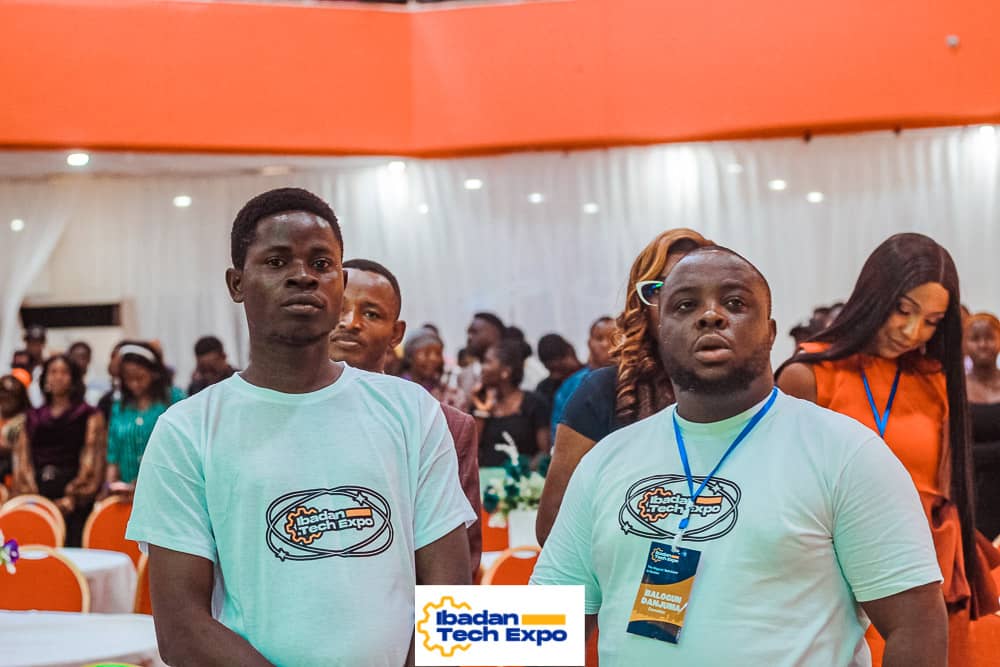
Across different editions of the expo, speakers and operators from Lagos and beyond have taken part, including Seye Bandele, co-founder and CEO of PaidHR, Seun Onigbinde, Director of BudgIT, Victor Ehindoro of POTTV Media, HR professional Felix Bissong among many others. Executives from organisations like Moniepoint and CcHub have also contributed to the conversation.
When people who typically operate at the center of Nigeria’s tech ecosystem travel inward to participate, it signals a shift. Ibadan is no longer just observing innovation, it is attracting it.
On what it will take for Ibadan to compete sustainably as a tech hub, Mr Taiwo notes:
“Ibadan needs continued collaboration between academia, industry, and government. We need consistent community-led platforms and stronger founder-investor-policy alignment. And we are closer than many people think. The talent is here. The ideas are here too.”
More than a one-off moment
With support from brands like LightNG, Ibadan Tech Expo has now held multiple editions, with recurring participation from big brands such as Cardify Africa, Moniepoint, CcHub, Impact Hub.
This repetition matters. It suggests continuity, growing trust, and an ecosystem that is beginning to sustain itself.
Mr Taiwo’s personal decision to remain in Ibadan underscores the broader argument the expo highlights:
“I choose to stay in Ibadan because Lagos is not the sole gateway to success. If a young founder asked me whether they must move to Lagos to succeed, my answer would be NO.”
He points to his experience with Cardify:
“I joined Cardify from Day 0, and today, they are being used in over 74 countries in the world. All work done from Ibadan.”
A broader tech future
Ibadan is not trying to replace Lagos, and it doesn’t need to. What it is doing, quietly and steadily is expanding Nigeria’s tech map.
The future of innovation in the country will not belong to one city alone. It will belong to places that invest in people, build structure, and create room for ideas to grow regardless of proximity to the coast.
As Mr Taiwo puts it plainly, drawing from his experience working on the visibility of the event:
“The future of Nigerian tech is distributed and inclusive, and Ibadan has a clear and major role to play in that future, unarguably.”
Ibadan is making that case, one edition at a time.
Stories like this don’t tell themselves. They are researched, shaped, and positioned with intention.
At Hype Empire, we don’t just chase attention; we build credibility.
We help brands, startups, and events turn real work into clear narratives that the media understands, audiences trust, and partners respect.
If you’re building something meaningful and want it positioned with clarity, context, and long-term relevance, Hype Empire is the team to work with.
Follow HYPE EMPIRE on social media for more content and information on PR and Promotion:
Growing up, I battled confidence issues because of my dentition.
Approaching women in person felt intimidating, sometimes impossible.
But I noticed something about myself early on: when I could express affection, intention, and personality through words first, I felt more understood. I could show who I was before being judged by how I looked.
That experience stayed with me. And over time, it raised a bigger question.
What if connection didn’t have to start with physical appearance?
That question eventually became Woomeout.
Building Connection Before Attraction
Woomeout is a matchmaking platform designed around one core belief: emotional connection should come before physical connection. It’s for people who want intention, clarity, and meaning, not endless swiping or surface-level interactions.
The idea didn’t begin as an app. It began on Instagram.
By observing how people from different backgrounds interacted online, we launched a simple matchmaking page and started connecting people intentionally.
We listened. We introduced. We watched conversations turn into real interest. What began as casual matchmaking slowly revealed a deeper need for structure, safety, and purpose in modern dating.
That was when Woomeout evolved from an idea into a product.
Bootstrapping a Dating Platform With Purpose
Woomeout was fully self-funded. The Instagram matchmaking service was paid, and the revenue, combined with personal savings, funded the first version of the app. There were no investors at the start, just belief and iteration.
Because Woomeout doesn’t follow the traditional dating app structure, early users faced a learning curve.
Some struggled to navigate features like sending date requests, video calls, or participating in challenges.
Many expected endless chatting, while Woomeout encourages intentional actions such as requesting or scheduling dates.
What we learned quickly is that building a dating platform isn’t just about technology. It’s about changing behaviour.
Dating culture has trained people to swipe endlessly and delay intention. Woomeout challenges that and that takes education, reassurance, and trust.
From Online Matches to Offline Moments
One of our proudest milestones is turning a deeply personal idea into a growing, community-driven platform.
Seeing people move from online conversations to curated offline events and real relationships has been especially magical.
Those events matter. They remind us that technology should enable connection, not replace it.
Technology allowed us to remove fear and distance. People who might never approach someone in real life now have a safe space to express interest, curiosity, and intention. Across cities and backgrounds, Woomeout creates access to connection beyond physical boundaries.
What Comes Next for Woomeout
Our focus isn’t rapid expansion.
We’re prioritising better matchmaking quality, expanding curated offline events across more cities, and building features that reward intentional dating over endless interaction.
Growth will be community-led. We’ll only enter new markets where organic demand already exists.
If funding or partnerships come in, the priorities are clear: product quality, community trust, and safety.
That means improving user experience, strengthening moderation, and partnering with venues, event hosts, and community collaborators who support real-world connection.
More Than a Dating App
What excites me most about Woomeout’s future is that it’s becoming more than a dating platform. It’s a space where people feel seen, intentional, and confident about how they meet others.
In a world optimised for speed and surface-level attraction, choosing to slow down and lead with emotional connection feels radical.
And sometimes, the most meaningful tech doesn’t help people swipe faster. It helps them feel understood first.
The first time I wanted to receive funds from abroad, I combed several apps, and the journey was excruciating. The founder of Looprail has a similar story.
Waiting through the familiar frustration of traditional cross-border transfers. High fees quietly deducted. Settlement times stretching into days that you can’t control.
Exchange rates change between “send” and “receive.” And when the money finally arrived, it came with a final disappointment. It was converted to cash, locked in a bank account, and stripped of real utility.
Even local payments had already evolved, and in many African markets, you can easily transfer from Moniepoint to OPay in an instant, even with digital checkouts. But the moment your money crosses borders, it falls into an outdated maze of correspondent banks and intermediaries.
For me, the problem was not sending money. The problem was what happened after it arrived.
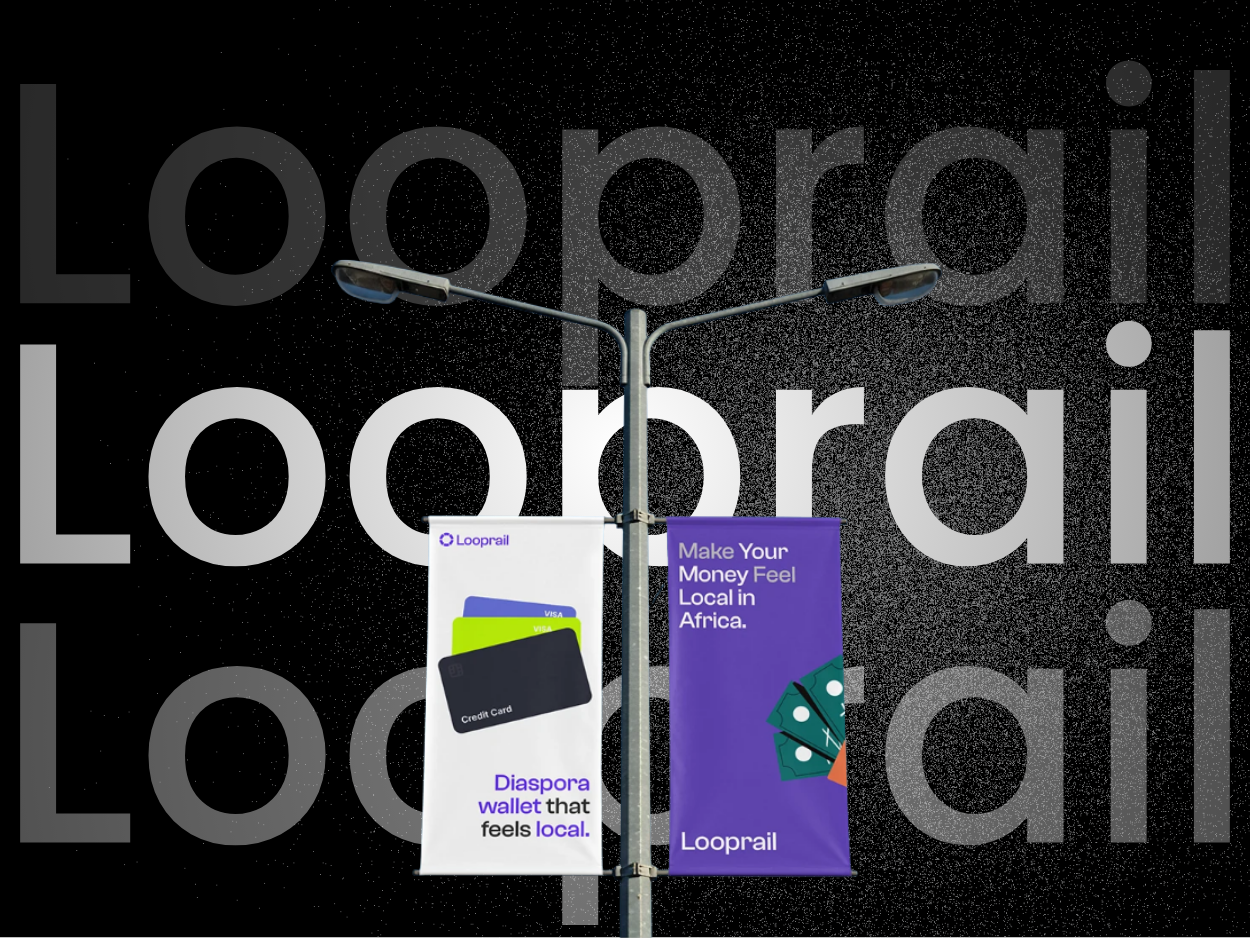
That gap became the foundation of Looprail.
Seeing Remittance as Infrastructure, Not a Transaction
I began looking at remittance from a different angle and asking questions about what if remittance is more than a transaction but a rail. And here’s what I mean
What if money did not just arrive and sit idle in a bank account or get converted into cash? What if it could immediately pay bills, book travel, support local merchants, and circulate inside the economy?
That shift in thinking, from remittance service to payment infrastructure, changed everything.
Why Stablecoins Became the Answer
Stablecoins offered that path. They solved the core problems I experienced firsthand. They moved money instantly, not in days. They reduced fees from percentages to pennies. They offered transparency instead of hidden markups. Most importantly, they allowed money to remain digital and programmable rather than being trapped on arrival.
Stablecoins became the foundation of Looprail’s vision.
Building Without Capital, Only Conviction
For us, the first real challenge was not technology. It was people.
There was no funding. No guaranteed salaries. Just a vision and equity. Convincing talented people to join meant offering something deeper than compensation. It meant ownership in solving a systemic problem that affects millions of people.
That constraint became a filter. Everyone who joined believed deeply in the mission. Everyone was comfortable building in uncertainty. The team that emerged was aligned, resilient, and focused on building hard things properly.
Why Nigeria is the Proving Ground for us.
Looprail’s first corridor is in Nigeria, and the reason is simple. The country has one of the largest diaspora populations in the world and receives over $20 billion in remittances annually. At the same time, traditional remittance remains expensive, slow, and fragmented.
Our pre-launch focus is clear. Build belief before product. Validate demand through a growing waitlist. Then soft launch with a small group of testers and prove that the rails work at scale.
If it works in Nigeria, it can work anywhere.
Beyond Remittance, Toward a Financial Bridge
Looprail is not being built as a cheaper way to send money home. It is being built as a financial bridge between diaspora life and African economies.
The vision is simple. Send money home, and that money should immediately work. It should pay bills, support family, fund travel, and flow directly to local merchants. As more diaspora users adopt the platform, more merchants integrate. As utility grows, adoption accelerates. That is how remittance becomes infrastructure.
What Drives the Mission Forward
What excites me most is not valuation or headlines. It is product-market fit in its truest sense. A world where money sent from outside Africa does not just arrive, but actively powers local economies.
My sister attends events almost every weekend. Weddings, owambe, birthdays, dinners; there is always something to attend. And like many women, she does not like to wear the same dress twice.
Every event meant buying or sewing a new dress. Over time, her room became full of dresses she no longer cared about but could not throw away. Still, every new event meant another dress.
That was when I realised something was wrong.
Why were women spending so much money on dresses they would wear once, while other women already had premium dresses sitting unused in their wardrobes? That question became the foundation of Rent A Dress.
The idea was simple: allow women to wear premium dresses for important events without the stress of buying, and allow dress owners to earn money from clothes they already own.
The inspiration came directly from lived experience, not theory. I started the business with ₦1.2 million from my personal savings. It wasn’t easy, but Nigerian women responded positively to the idea almost immediately. In fact, we got our first customer before the business officially launched.
Our biggest resource wasn’t money. It was trust.
Over 100 women and designers trusted us with their dresses. We built a model that respected them. Dress owners earn 70 percent of every rental fee.
If a dress rents for ₦50,000, the owner receives ₦35,000 directly. Some women now earn over ₦100,000 monthly just by renting out dresses that were previously sitting idle.
Early Challenges for us as we began to scale,
Trust was also our biggest early challenge. Many women were afraid to give their expensive dresses to people they didn’t know. Renters worried whether the dress they saw online would look the same when delivered. We had to work hard to prove reliability.
As inflation increased in Nigeria, more women began to see renting as a smarter option than buying or sewing new dresses for every event. The bigger challenge became operations.
Running everything manually through WhatsApp and phone calls caused mistakes. We struggled with double bookings, tracking dresses, and calculating payouts for over 100 dress owners. It became clear that technology was no longer optional.
The platform is powered by a sophisticated AI engine that manages bookings, prevents double reservations, and gives every dress owner a personal dashboard.
Owners can now see their income in real time and request payouts instantly. Renters can browse, check availability, and book without waiting for replies.
The difference was massive. Errors reduced, speed improved, and trust deepened.
Since launching the platform, Rent A Dress has grown steadily. We now work with over 100 partners, including individual women and top designers.
Orders have increased because people can book 24/7. Technology has helped us reach women beyond our immediate circles, including high-class clients who value privacy and professionalism.
Despite scaling, we’ve kept our cultural essence. Nigerian fashion is deeply tied to celebration weddings, owambe, church, milestones. Technology helps us scale, but community and style remain the heart of what we do.
The Road Ahead
Our goal is to expand beyond Lagos and grow our community of dress owners to over 1,000 women. We want to improve our AI engine to recommend dresses based on events and preferences, and make logistics even faster.
What excites me most is seeing women earn steady income from clothes they already own. We’re building a future where fashion is no longer wasted money, but a real asset.
Rent A Dress is proof that with the right problem, trust, and technology, you can turn wardrobes into wealth.
What started as a networking meetup has evolved into Africa’s most consequential deal-making platform and a signal of where Nigeria’s tech ecosystem is headed next.
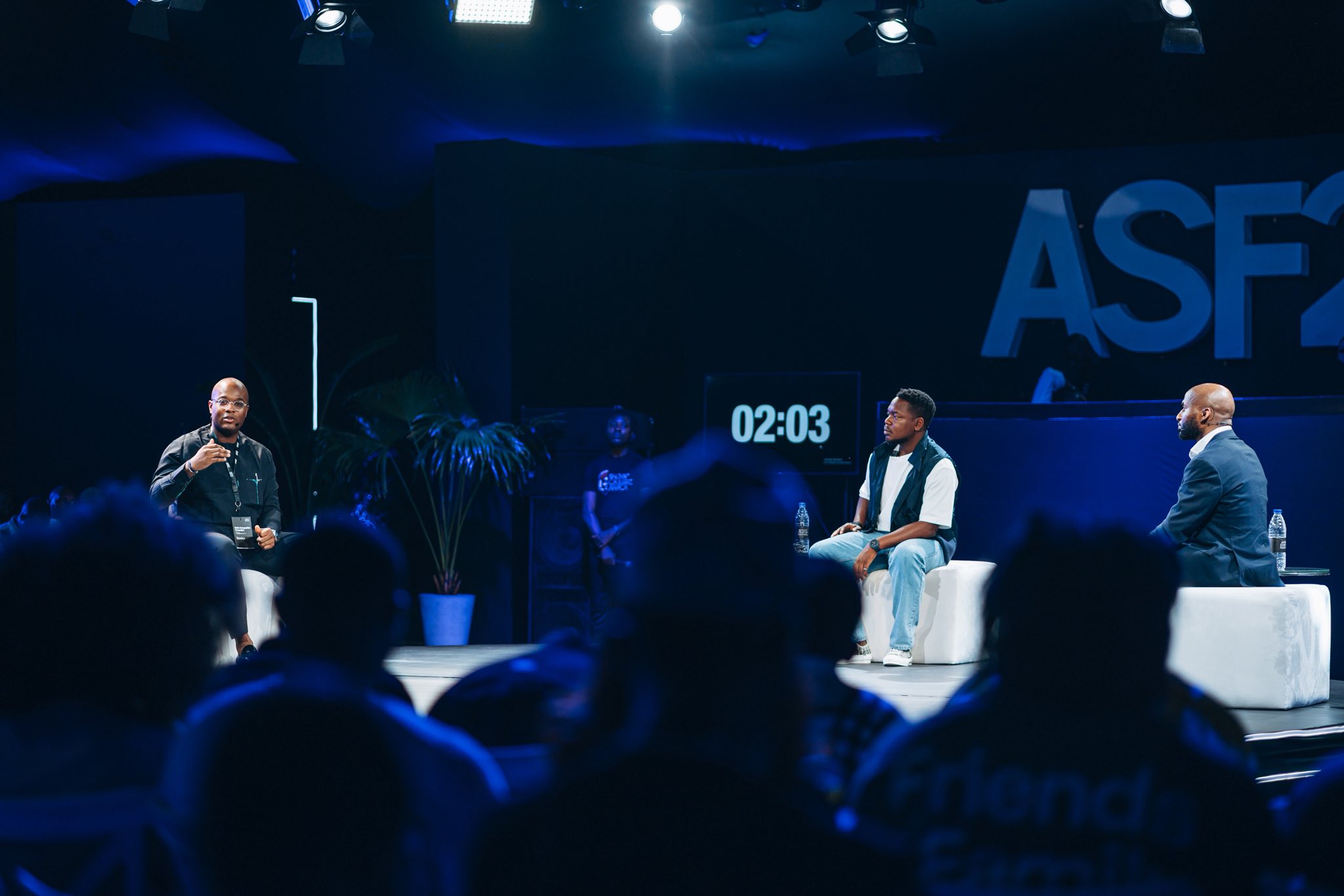
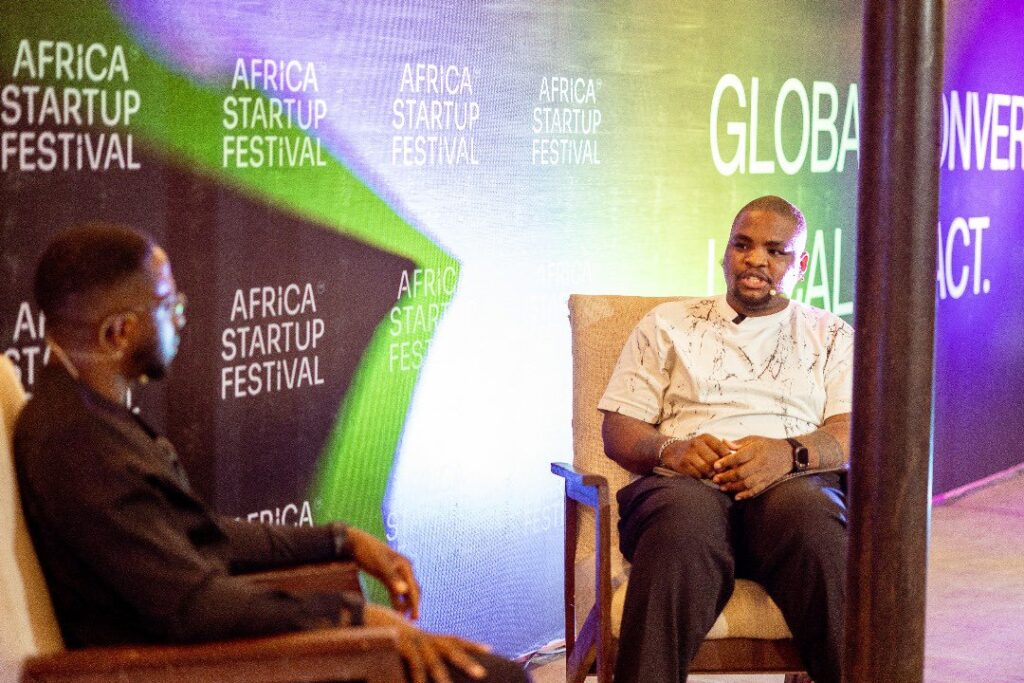
In 2023, the Africa Startup Festival (ASF) quietly began in Lagos with a simple but urgent idea: bring Nigeria’s growing startup ecosystem into one room.
At the time, founders were building in silos. Investors were searching for quality deals and operators needed visibility. ASF emerged as a meeting point, a space designed for conversations, introductions, and shared ambition. Hosted by Spark Africa, the festival was first reported in 2023 as an innovation and networking gathering that convened founders, investors, and ecosystem builders.
That first edition exceeded expectations. It attracted 3,658 participants from six different countries, brought together 1,953 startups and 65 investors. It sparked hundreds of investment conversations according to Lagos Metropolitan. What started as a networking hub had revealed something bigger: Nigeria was ready for structured deal flow.
2024 Edition: When Conversations Became Opportunities
By 2024, ASF entered its growth stage. The festival evolved from introductions to intention. Panels became sharper, pitch sessions became structured, and Investor participation became deliberate. ASF began positioning itself as a platform where capital meets clarity, not just ideas.
That year, ASF established itself as a go-to showcase for innovations and enterprise solutions shaping Africa’s future, while giving startups clearer pathways to investors, partnerships, and market exposure (Africa Tech Radio).
This edition marked an inflection point. ASF was no longer just facilitating meetings, it was designing outcomes.
2025 Edition: The Deal-Making Era Arrives
ASF hosted its biggest edition yet at the Balmoral Convention Centre, Federal Palace, Lagos on November 28, 2025. According to techpoint Africa, over 3,000 attendees filled the venue including founders, investors, operators, and ecosystem leaders from across Nigeria and beyond.
This time, ASF felt different.
The festival introduced three dedicated stages. A main stage for keynote speeches and industry panels, a startup stage spotlighting emerging founders and growth stories, and an investor stage designed for venture capital conversations and serious networking.
There were also deal rooms. Private, one-on-one spaces where startups and investors met with a clear goal: close meaningful conversations.
Sessions focused on the challenges founders face. Revenue model rigor, operations, scaling in tough markets. Reflecting a broader shift in Nigeria’s tech ecosystem from hype to sustainability.
By now, ASF had become what Business Insider describes as Africa’s top deal-making and networking event. Its definitive end-of-year gathering is one that sets the tone for partnerships and deals.
Antler Super Day pitch or founders celebrating wins
It started as a networking hub, offering much needed connection points in a growing but fragmented ecosystem.
Over time, it matured into a deal-making platform, structured pitch, investor matchmaking, and mentor outcomes took centre stage as seen in partnerships like the Antler Super Day initiative and curated investor talks in 2025. (Techpoint Africa).
Today, hosted in Lagos, Nigeria’s tech capital. ASF draws founders from across Africa while spotlighting Nigerian startups as serious global contenders. As Nnaemeka Clinton, CEO of Spark Africa, puts it, ASF is “more than an event; it’s a movement that empowers Africa’s startup ecosystem and provides a launchpad for African ingenuity to solve global problems” (Lagos Metropolitan).
From conversations in 2023 to capital in 2025, the Africa Startup Festival didn’t just grow.
It evolved step by step into a powerhouse where ideas meet action, and deals begin.
Closing ceremony or crowd applause shot from ASF 2025
At Hype Empire, we don’t just tell stories, we help build them.
If your startup or event is entering its next growth phase, let’s design the story and the strategy that moves it forward.
Most banks in Nigeria are built for high-profile customers.
The kind that get relationship managers, priority queues, and exclusive perks. The rest of us don’t really have a choice. We still keep our real money with traditional banks, while fintech apps handle quick transfers and small payments.
We trust fintechs for speed, but not always for stability.
The gap Bank78 MFB is trying to close.
Bank78 is saying: we are a bank too, but not your typical traditional bank. A digital-first bank that actually cares about the middle — professionals, founders, SMEs, and upwardly mobile Nigerians who earn well but don’t have ₦50 million sitting idle just to be treated properly.
Testing the Bank78 Experience
As part of our review process at African Tech Journal, our team downloaded the Bank78 app.
The first thing we noticed was how lightweight it was. For a banking app, the size was small, the interface clean, and the onboarding process largely seamless.
However, we did encounter a registration issue.
We reached out via Instagram and didn’t get a response for a day. At that point, we needed to be sure whether this was a system issue or just an oversight. The team tried other contact channels, and once we got through, the response was prompt and the issue was resolved.
Since then, transactions have been smooth and reliable.
To be honest, we don’t know what exactly they’re “serving” behind the scenes but Bank78 is clearly one to watch.
Prestige Without Exclusion
Bank78’s positioning isn’t accidental. Its Chairman, Bright Ajaegbu, alongside Director EviOghene Osifo-Whiskey, recognised something many banks missed: prestige in banking doesn’t have to mean exclusivity.
Their philosophy is simple: prestige made accessible.
What Bank78 Means for You as a Customer
For customers, Bank78’s promise is straightforward.
It means you don’t need to deposit ₦50 million to be treated well. It means you can access premium digital banking without special connections. It means you get the same privileges others enjoy without hidden rules.
Behind the scenes, Bank78 operates as a fully licensed and regulated bank, approved by the Central Bank of Nigeria and insured by the Nigeria Deposit Insurance Corporation.
This isn’t a fintech experimenting with money: it’s a bank built for reliability first.
Bank78 represents a clear maturation of Nigeria’s digital banking ecosystem.
It proves that world-class financial infrastructure can be built locally.
It shows that mass affluent Nigerians deserve better experiences.
It demonstrates that technology, including AI, can enhance banking without dehumanizing it.
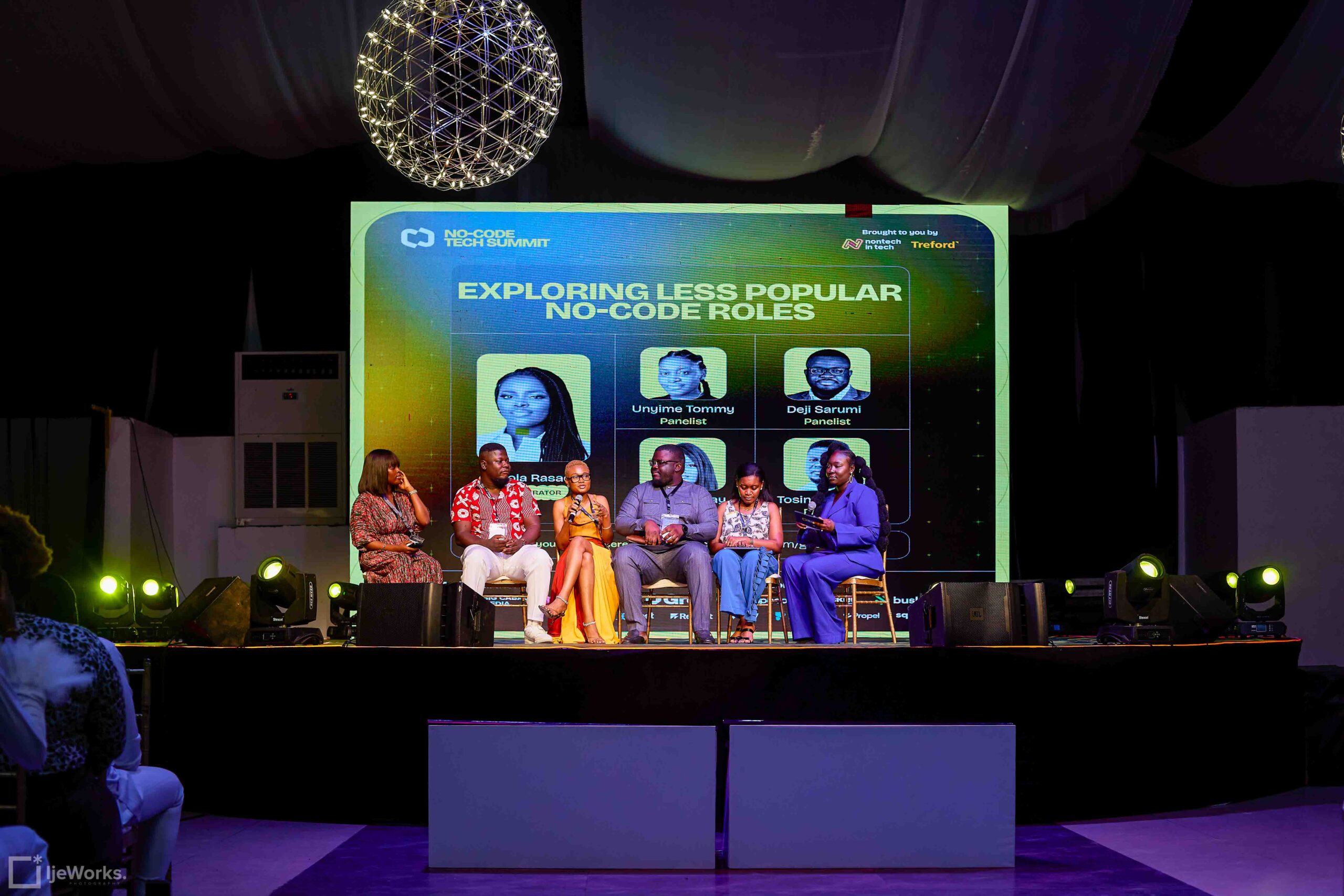
African Tech Journal is excited to spotlight the No-Code Tech Summit & Awards 3.0, an annual gathering driving the future of no-code technology in Africa and beyond.
This year’s edition brings together builders, creators, experts, and enthusiasts shaping the tech landscape without writing a single line of code.
Date: February 21, 2026 Location: Lagos, Nigeria Theme:BEYOND THE TOOLS: PEOPLE, PROCESS, AND POLICY
No-Code Tech Summit & Awards 3.0 is more than a typical tech event — it is a purpose-built platform for non-technical builders, operators, and founders shaping Africa’s tech ecosystem.
Attendees will gain practical insights from industry leaders, engage in focused sessions across People, Policy, and Process, and take part in conversations that go beyond tools to address how real tech products and companies are built and sustained.
The experience concludes with the No-Code Tech Awards, celebrating individuals and teams driving impact and excellence across the ecosystem.
Confirmed Highlights So Far:
– Award nominees across categories have been reviewed and selected, and public voting is now live. You can vote here – nocodetechsummit.com/awards/
– Awards will be presented at the official awards ceremony following the summit, exclusive to paid ticket holders.
– Three concurrent breakout masterclass sessions focused on people, policy, and process will be held.
– Expect a keynote session from a renowned industry leader
– Curated networking experience designed for meaningful connections
– Early Bird tickets are now available at ₦7,000 for a limited period.
Whether you’re a product designer, marketer, growth specialist, UX designer, community builder, or tech enthusiast, this summit offers learning, networking, and recognition in one space.