Author: ATJ Super Admin

  • Ibadan Tech Expo quietly questions Nigeria’s Lagos-centric tech narrative.

    Ibadan Tech Expo quietly questions Nigeria’s Lagos-centric tech narrative.

    For years, Nigeria’s tech story has followed a predictable path. If a startup is serious, ambitious, or scalable, it must come from Lagos. The coast became shorthand for opportunities, while other cities were treated as feeders at best.

    But as Lagos grows more crowded and expensive, that assumption is beginning to crack. And Ibadan is one of the cities proving why innovation no longer needs to be coastal.

    Ibadan has always been known for education and culture, but in recent years, something else has been taking shape. Builders are no longer just learning there; they are building real products, creating companies, and attracting attention beyond the city.

    Ibadan Tech Expo didn’t create this momentum, it revealed it.

    Speaking on what the Lagos-first narrative has ignored, Mr Taiwo, the World’s Best CMO, a prominent marketing executive who frontlined spreading the news of Ibadan Tech Expo independently, explains:

    “Cities like Ibadan are underestimated under the narrative of depth. Yes, Lagos is fast and ‘gingering’, but the calm environment in Ibadan, the proximity to top-tier institutions, and a strong intellectual tradition are constantly ignored.”

    This perspective reinforces why Ibadan’s progress feels less noisy but deeply rooted.

    Innovation was already happening

    Long before the expo gained attention, Ibadan had already begun producing companies that challenged the idea that serious innovation must come from Lagos. One such example is Alerzo, a logistics company founded in Ibadan in 2019.

    Instead of relocating to Lagos, Alerzo built and scaled its business from Ibadan. Over time, the company expanded its reach beyond the city into multiple regions of Nigeria, while keeping its core operations in Ibadan. 

    Alerzo’s growth tells a simple story: innovation can start inland, scale nationally, and still remain rooted where it began.

    According to Mr Taiwo, emerging tech communities outside Lagos have practical advantages that are often overlooked:

    “There is a low cost of living and operations, which extends the startup runway. There is access to talent in cities like Ibadan, which are more loyal and less distracted. There is also a community with stronger bonds and collaboration that makes marketing easier, speaking from my experience.”

    These conditions quietly give founders room to build without the pressure cooker effect common in larger cities.

    An ecosystem taking shape
    What makes Ibadan’s tech story more compelling is that this progress isn’t happening in isolation.

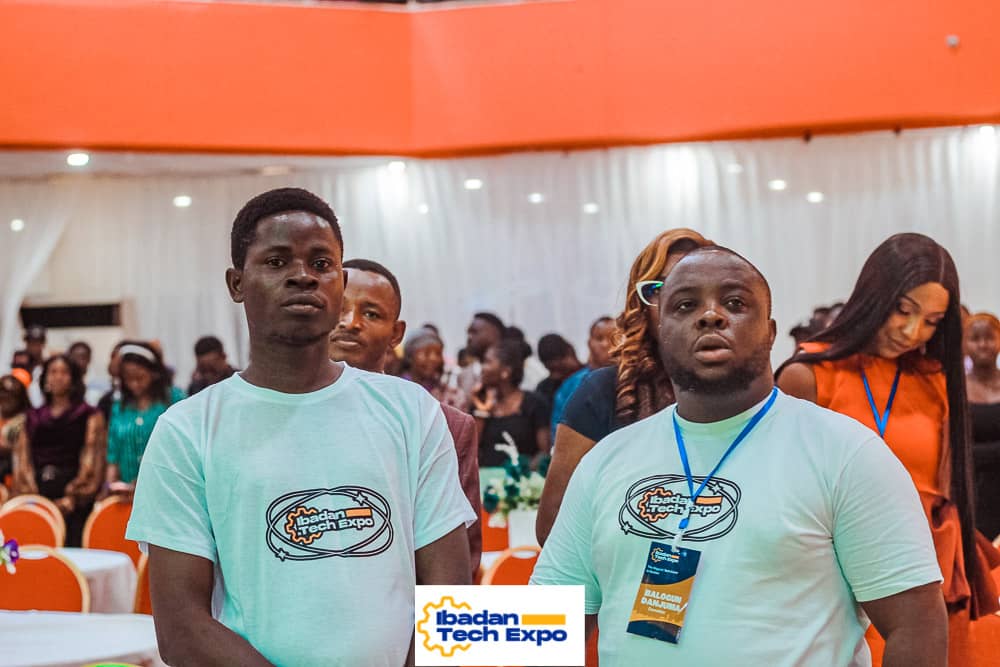
    The Oyo State Agency for Youth Development partnered with Ibadan Tech Expo 2025 to promote digital empowerment among young people. As part of this effort, the agency sponsored 100 basic tickets for youths, helping them access learning opportunities, industry conversations, and meaningful networks.

    This kind of institutional backing signals intent. It shows that innovation in Ibadan is being nurtured deliberately and not left to chance.

    From his experience working across marketing and ecosystem visibility, Mr Taiwo believes Nigeria’s tech growth has been limited by excessive concentration in one city:

    “Innovation belongs everywhere. Over-concentration can make access limited. It can also make competition turn extractive, and this can prevent great ideas from getting the oxygen they deserve.”

    He adds that platforms like Ibadan Tech Expo, Ibadan Job Fest, and Cirvee Tech Fest play a role in redistributing visibility, capital attention, and confidence across regions.

    When attention moves inward

    Perhaps the clearest sign of Ibadan’s growing relevance is who chooses to show up.

    Across different editions of the expo, speakers and operators from Lagos and beyond have taken part, including Seye Bandele, co-founder and CEO of PaidHR, Seun Onigbinde, Director of BudgIT, Victor Ehindoro of POTTV Media, HR professional Felix Bissong among many others. Executives from organisations like Moniepoint and CcHub have also contributed to the conversation.

    When people who typically operate at the center of Nigeria’s tech ecosystem travel inward to participate, it signals a shift. Ibadan is no longer just observing innovation, it is attracting it.

    On what it will take for Ibadan to compete sustainably as a tech hub, Mr Taiwo notes:

    “Ibadan needs continued collaboration between academia, industry, and government. We need consistent community-led platforms and stronger founder-investor-policy alignment. And we are closer than many people think. The talent is here. The ideas are here too.”

    More than a one-off moment

    With support from brands like LightNG, Ibadan Tech Expo has now held multiple editions, with recurring participation from big brands such as Cardify Africa, Moniepoint, CcHub, Impact Hub.

    This repetition matters. It suggests continuity, growing trust, and an ecosystem that is beginning to sustain itself.

    Mr Taiwo’s personal decision to remain in Ibadan underscores the broader argument the expo highlights:

    “I choose to stay in Ibadan because Lagos is not the sole gateway to success. If a young founder asked me whether they must move to Lagos to succeed, my answer would be NO.”

    He points to his experience with Cardify:

    “I joined Cardify from Day 0, and today, they are being used in over 74 countries in the world. All work done from Ibadan.”

    A broader tech future

    Ibadan is not trying to replace Lagos, and it doesn’t need to. What it is doing, quietly and steadily is expanding Nigeria’s tech map.

    The future of innovation in the country will not belong to one city alone. It will belong to places that invest in people, build structure, and create room for ideas to grow regardless of proximity to the coast.

    As Mr Taiwo puts it plainly, drawing from his experience working on the visibility of the event:

    “The future of Nigerian tech is distributed and inclusive, and Ibadan has a clear and major role to play in that future, unarguably.”

    Ibadan is making that case, one edition at a time.

    Stories like this don’t tell themselves. They are researched, shaped, and positioned with intention.

    At Hype Empire, we don’t just chase attention; we build credibility.

    We help brands, startups, and events turn real work into clear narratives that the media understands, audiences trust, and partners respect.

    If you’re building something meaningful and want it positioned with clarity, context, and long-term relevance, Hype Empire is the team to work with.

    Follow HYPE EMPIRE on social media for more content and information on PR and Promotion:


    X = https://x.com/hypeempire001


    Instagram = https://instagram.com/hypeempire001

    LinkedIn = https://www.linkedin.com/company/hypeempire001/

  • Woomeout app is helping people build confidence and bonds

    Woomeout app is helping people build confidence and bonds

    Growing up, I battled confidence issues because of my dentition.

    Approaching women in person felt intimidating, sometimes impossible.

    But I noticed something about myself early on: when I could express affection, intention, and personality through words first, I felt more understood. I could show who I was before being judged by how I looked.

    That experience stayed with me. And over time, it raised a bigger question.

    What if connection didn’t have to start with physical appearance?

    That question eventually became Woomeout.

    Building Connection Before Attraction

    Woomeout is a matchmaking platform designed around one core belief: emotional connection should come before physical connection. It’s for people who want intention, clarity, and meaning, not endless swiping or surface-level interactions.

    The idea didn’t begin as an app. It began on Instagram.

    By observing how people from different backgrounds interacted online, we launched a simple matchmaking page and started connecting people intentionally.

    We listened. We introduced. We watched conversations turn into real interest. What began as casual matchmaking slowly revealed a deeper need for structure, safety, and purpose in modern dating.

    That was when Woomeout evolved from an idea into a product.

    Bootstrapping a Dating Platform With Purpose

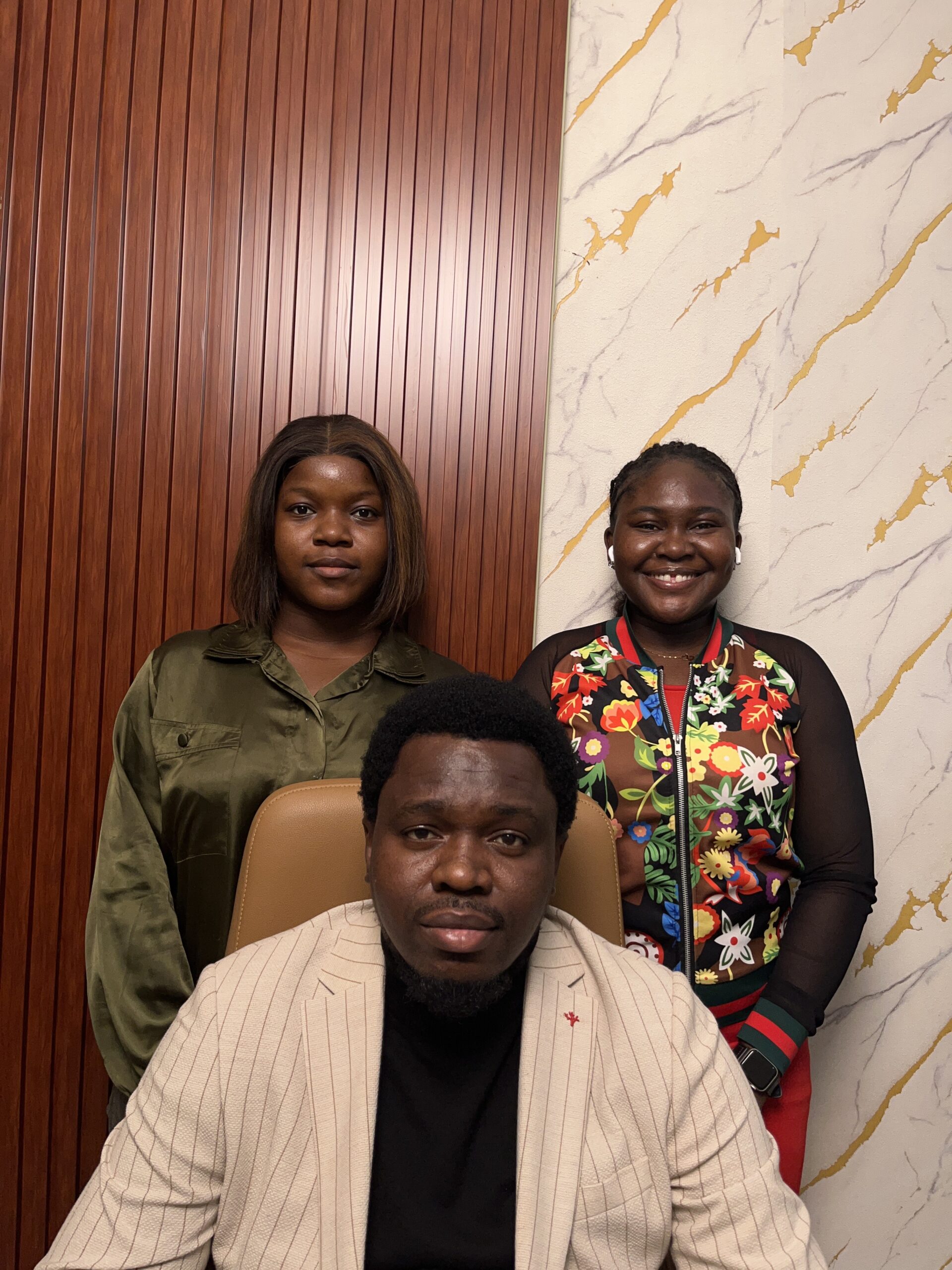
    The Woomeout App team members

    Woomeout was fully self-funded. The Instagram matchmaking service was paid, and the revenue, combined with personal savings, funded the first version of the app. There were no investors at the start, just belief and iteration.

    Because Woomeout doesn’t follow the traditional dating app structure, early users faced a learning curve.

    Some struggled to navigate features like sending date requests, video calls, or participating in challenges.

    Many expected endless chatting, while Woomeout encourages intentional actions such as requesting or scheduling dates.

    What we learned quickly is that building a dating platform isn’t just about technology. It’s about changing behaviour.

    Dating culture has trained people to swipe endlessly and delay intention. Woomeout challenges that and that takes education, reassurance, and trust.

    From Online Matches to Offline Moments

    One of our proudest milestones is turning a deeply personal idea into a growing, community-driven platform.

    Seeing people move from online conversations to curated offline events and real relationships has been especially magical.

    Those events matter. They remind us that technology should enable connection, not replace it.

    Technology allowed us to remove fear and distance. People who might never approach someone in real life now have a safe space to express interest, curiosity, and intention. Across cities and backgrounds, Woomeout creates access to connection beyond physical boundaries.

    What Comes Next for Woomeout

    Our focus isn’t rapid expansion. 

    We’re prioritising better matchmaking quality, expanding curated offline events across more cities, and building features that reward intentional dating over endless interaction.

    Growth will be community-led. We’ll only enter new markets where organic demand already exists.

    If funding or partnerships come in, the priorities are clear: product quality, community trust, and safety.

    That means improving user experience, strengthening moderation, and partnering with venues, event hosts, and community collaborators who support real-world connection.

    More Than a Dating App

    What excites me most about Woomeout’s future is that it’s becoming more than a dating platform. It’s a space where people feel seen, intentional, and confident about how they meet others.

    In a world optimised for speed and surface-level attraction, choosing to slow down and lead with emotional connection feels radical.

    And sometimes, the most meaningful tech doesn’t help people swipe faster.
    It helps them feel understood first.

    Download the Woomeout App

  • Looprail is rebuilding how people are receiving money outside Nigeria

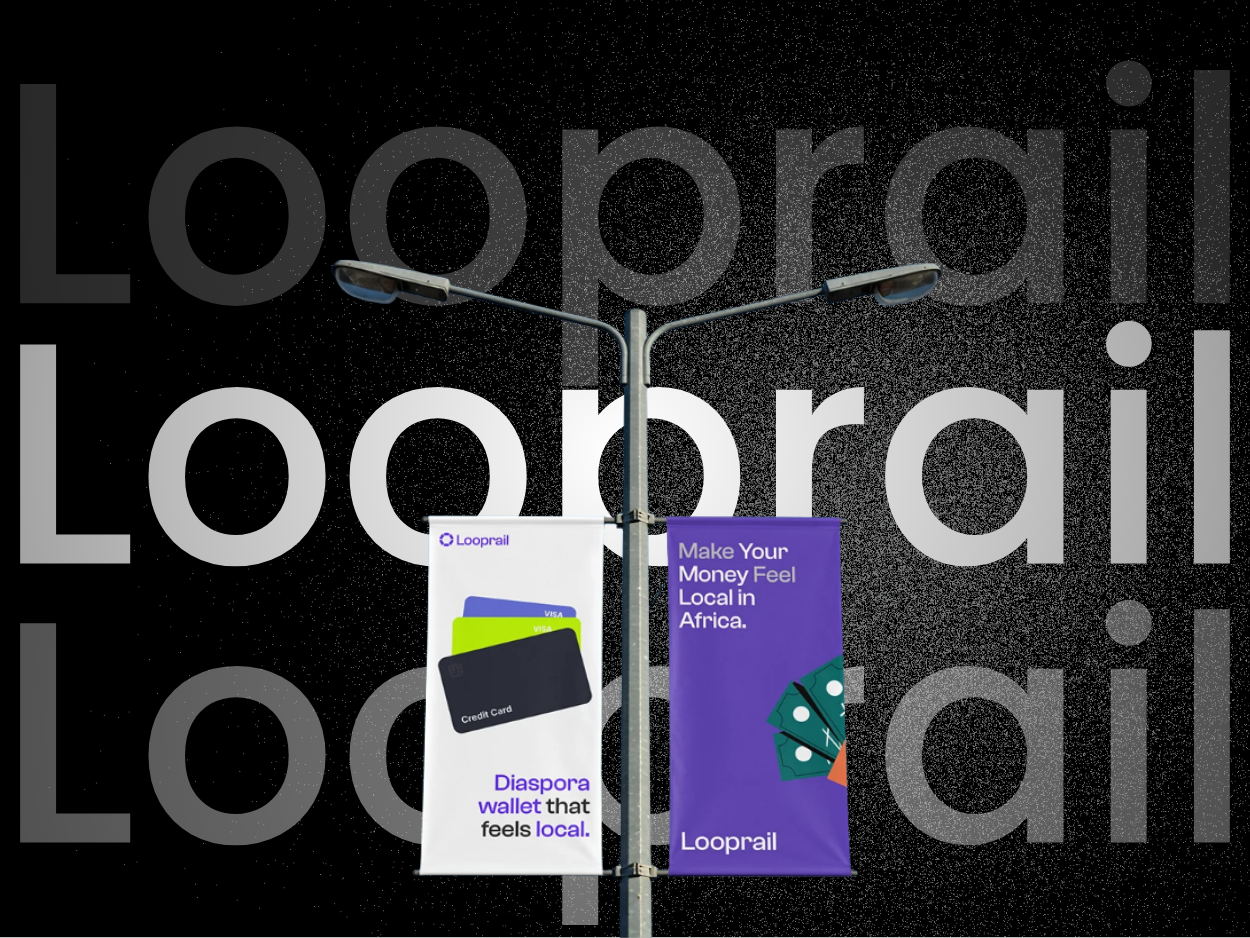
    Looprail is rebuilding how people are receiving money outside Nigeria

    The first time I wanted to receive funds from abroad, I combed several apps, and the journey was excruciating. The founder of Looprail has a similar story.

    Waiting through the familiar frustration of traditional cross-border transfers. High fees quietly deducted. Settlement times stretching into days that you can’t control.

    Exchange rates change between “send” and “receive.” And when the money finally arrived, it came with a final disappointment. It was converted to cash, locked in a bank account, and stripped of real utility.

    Even local payments had already evolved, and in many African markets, you can easily transfer from Moniepoint to OPay in an instant, even with digital checkouts. But the moment your money crosses borders, it falls into an outdated maze of correspondent banks and intermediaries. 

    For me, the problem was not sending money. The problem was what happened after it arrived.

    That gap became the foundation of Looprail.

    Seeing Remittance as Infrastructure, Not a Transaction

    I began looking at remittance from a different angle and asking questions about what if remittance is more than a transaction but a rail. And here’s what I mean

    What if money did not just arrive and sit idle in a bank account or get converted into cash? What if it could immediately pay bills, book travel, support local merchants, and circulate inside the economy?

    That shift in thinking, from remittance service to payment infrastructure, changed everything.

    Why Stablecoins Became the Answer

    Stablecoins offered that path. They solved the core problems I experienced firsthand. They moved money instantly, not in days. They reduced fees from percentages to pennies. They offered transparency instead of hidden markups. Most importantly, they allowed money to remain digital and programmable rather than being trapped on arrival.

    Stablecoins became the foundation of Looprail’s vision. 

    Building Without Capital, Only Conviction

    For us, the first real challenge was not technology. It was people.

    There was no funding. No guaranteed salaries. Just a vision and equity. Convincing talented people to join meant offering something deeper than compensation. It meant ownership in solving a systemic problem that affects millions of people.

    That constraint became a filter. Everyone who joined believed deeply in the mission. Everyone was comfortable building in uncertainty. The team that emerged was aligned, resilient, and focused on building hard things properly.

    Why Nigeria is the Proving Ground for us.

    Looprail’s first corridor is in Nigeria, and the reason is simple. The country has one of the largest diaspora populations in the world and receives over $20 billion in remittances annually. At the same time, traditional remittance remains expensive, slow, and fragmented.

    Our pre-launch focus is clear. Build belief before product. Validate demand through a growing waitlist. Then soft launch with a small group of testers and prove that the rails work at scale.

    If it works in Nigeria, it can work anywhere.

    Beyond Remittance, Toward a Financial Bridge

    Looprail is not being built as a cheaper way to send money home. It is being built as a financial bridge between diaspora life and African economies.

    The vision is simple. Send money home, and that money should immediately work. It should pay bills, support family, fund travel, and flow directly to local merchants. As more diaspora users adopt the platform, more merchants integrate. As utility grows, adoption accelerates. That is how remittance becomes infrastructure.

    What Drives the Mission Forward

    What excites me most is not valuation or headlines. It is product-market fit in its truest sense. A world where money sent from outside Africa does not just arrive, but actively powers local economies.

    That is what Looprail is building.

  • This Nigerian Startup Is Using AI to Turn Wardrobes Into Passive Income

    This Nigerian Startup Is Using AI to Turn Wardrobes Into Passive Income

    My sister attends events almost every weekend. Weddings, owambe, birthdays, dinners; there is always something to attend. And like many women, she does not like to wear the same dress twice.

    Every event meant buying or sewing a new dress. Over time, her room became full of dresses she no longer cared about but could not throw away. Still, every new event meant another dress.

    That was when I realised something was wrong.

    Why were women spending so much money on dresses they would wear once, while other women already had premium dresses sitting unused in their wardrobes? That question became the foundation of Rent A Dress.

    The idea was simple: allow women to wear premium dresses for important events without the stress of buying, and allow dress owners to earn money from clothes they already own.

    The inspiration came directly from lived experience, not theory. I started the business with ₦1.2 million from my personal savings. It wasn’t easy, but Nigerian women responded positively to the idea almost immediately. In fact, we got our first customer before the business officially launched.

    Our biggest resource wasn’t money. It was trust.

    Over 100 women and designers trusted us with their dresses. We built a model that respected them. Dress owners earn 70 percent of every rental fee.

    If a dress rents for ₦50,000, the owner receives ₦35,000 directly. Some women now earn over ₦100,000 monthly just by renting out dresses that were previously sitting idle.

    Early Challenges for us as we began to scale,

    Trust was also our biggest early challenge. Many women were afraid to give their expensive dresses to people they didn’t know. Renters worried whether the dress they saw online would look the same when delivered. We had to work hard to prove reliability.

    As inflation increased in Nigeria, more women began to see renting as a smarter option than buying or sewing new dresses for every event. The bigger challenge became operations.

    Running everything manually through WhatsApp and phone calls caused mistakes. We struggled with double bookings, tracking dresses, and calculating payouts for over 100 dress owners. It became clear that technology was no longer optional.

    The Shift to a Tech-Driven Model

    To solve this, we launched our web app at https://rentadress.com.ng.

    The platform is powered by a sophisticated AI engine that manages bookings, prevents double reservations, and gives every dress owner a personal dashboard.

    Owners can now see their income in real time and request payouts instantly. Renters can browse, check availability, and book without waiting for replies.

    The difference was massive. Errors reduced, speed improved, and trust deepened.

    Since launching the platform, Rent A Dress has grown steadily. We now work with over 100 partners, including individual women and top designers.

    Orders have increased because people can book 24/7. Technology has helped us reach women beyond our immediate circles, including high-class clients who value privacy and professionalism.

    Despite scaling, we’ve kept our cultural essence. Nigerian fashion is deeply tied to celebration weddings, owambe, church, milestones. Technology helps us scale, but community and style remain the heart of what we do.

    The Road Ahead

    Our goal is to expand beyond Lagos and grow our community of dress owners to over 1,000 women. We want to improve our AI engine to recommend dresses based on events and preferences, and make logistics even faster.

    What excites me most is seeing women earn steady income from clothes they already own. We’re building a future where fashion is no longer wasted money, but a real asset.

    Rent A Dress is proof that with the right problem, trust, and technology, you can turn wardrobes into wealth.

  • Inside Africa Startup Festival’s evolution

    Inside Africa Startup Festival’s evolution

    What started as a networking meetup has evolved into Africa’s most consequential deal-making platform and a signal of where Nigeria’s tech ecosystem is headed next.

    In 2023, the Africa Startup Festival (ASF) quietly began in Lagos with a simple but urgent idea: bring Nigeria’s growing startup ecosystem into one room.

    At the time, founders were building in silos. Investors were searching for quality deals and operators needed visibility. ASF emerged as a meeting point, a space designed for conversations, introductions, and shared ambition. Hosted by Spark Africa, the festival was first reported in 2023 as an innovation and networking gathering that convened founders, investors, and ecosystem builders.

    That first edition exceeded expectations. It attracted 3,658 participants from six different countries, brought together 1,953 startups and 65 investors. It sparked hundreds of investment conversations according to Lagos Metropolitan. What started as a networking hub had revealed something bigger: Nigeria was ready for structured deal flow.

    2024 Edition: When Conversations Became Opportunities

    By 2024, ASF entered its growth stage. The festival evolved from introductions to intention. Panels became sharper, pitch sessions became structured, and Investor participation became deliberate. ASF began positioning itself as a platform where capital meets clarity, not just ideas.

    That year, ASF established itself as a go-to showcase for innovations and enterprise solutions shaping Africa’s future, while giving startups clearer pathways to investors, partnerships, and market exposure (Africa Tech Radio).

    This edition marked an inflection point. ASF was no longer just facilitating meetings, it was designing outcomes.

    2025 Edition: The Deal-Making Era Arrives

    ASF hosted its biggest edition yet at the Balmoral Convention Centre, Federal Palace, Lagos on November 28, 2025. According to techpoint Africa, over 3,000 attendees filled the venue  including founders, investors, operators, and ecosystem leaders from across Nigeria and beyond.

    This time, ASF felt different.

    The festival introduced three dedicated stages. A main stage for keynote speeches and industry panels, a startup stage spotlighting emerging founders and growth stories, and an investor stage designed for venture capital conversations and serious networking.

    There were also deal rooms. Private, one-on-one spaces where startups and investors met with a clear goal: close meaningful conversations.

    The clearest signal of ASF’s evolution came through its deal-making focus. In partnership with Antler, ASF hosted a super day pitch competition where over 15 founders pitched, and the top 10 received $50,000 worth of resources and mentorship

    Sessions focused on the challenges founders face. Revenue model rigor, operations, scaling in tough markets. Reflecting a broader shift in Nigeria’s tech ecosystem from hype to sustainability.

    By now, ASF had become what Business Insider describes as Africa’s top deal-making and networking event. Its definitive end-of-year gathering is one that sets the tone for partnerships and deals.

    Looking back, ASF’s evolution mirrors Nigeria’s startup journey.

    Antler Super Day pitch or founders celebrating wins

    It started as a networking hub, offering much needed connection points in a growing but fragmented ecosystem.

    Over time, it matured into a deal-making platform, structured pitch, investor matchmaking, and mentor outcomes took centre stage as seen in partnerships like the Antler Super Day initiative and curated investor talks in 2025. (Techpoint Africa).

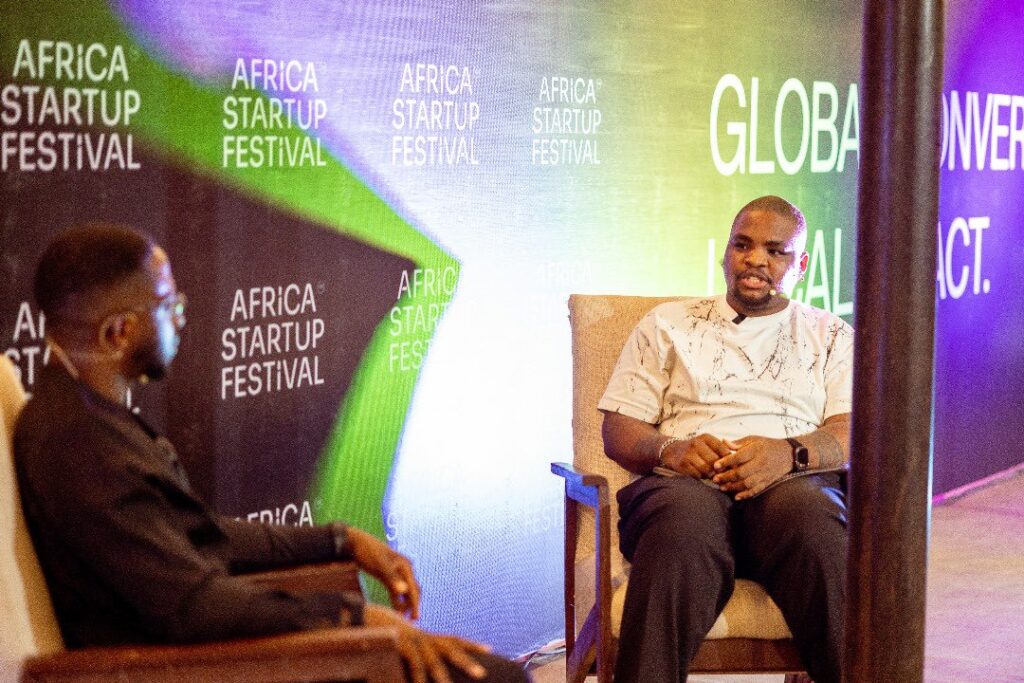
    Today, hosted in Lagos, Nigeria’s tech capital. ASF draws founders from across Africa while spotlighting Nigerian startups as serious global contenders. As Nnaemeka Clinton, CEO of Spark Africa, puts it, ASF is “more than an event; it’s a movement that empowers Africa’s startup ecosystem and provides a launchpad for African ingenuity to solve global problems” (Lagos Metropolitan).

    From conversations in 2023 to capital in 2025, the Africa Startup Festival didn’t just grow.

    It evolved step by step into a powerhouse where ideas meet action, and deals begin.

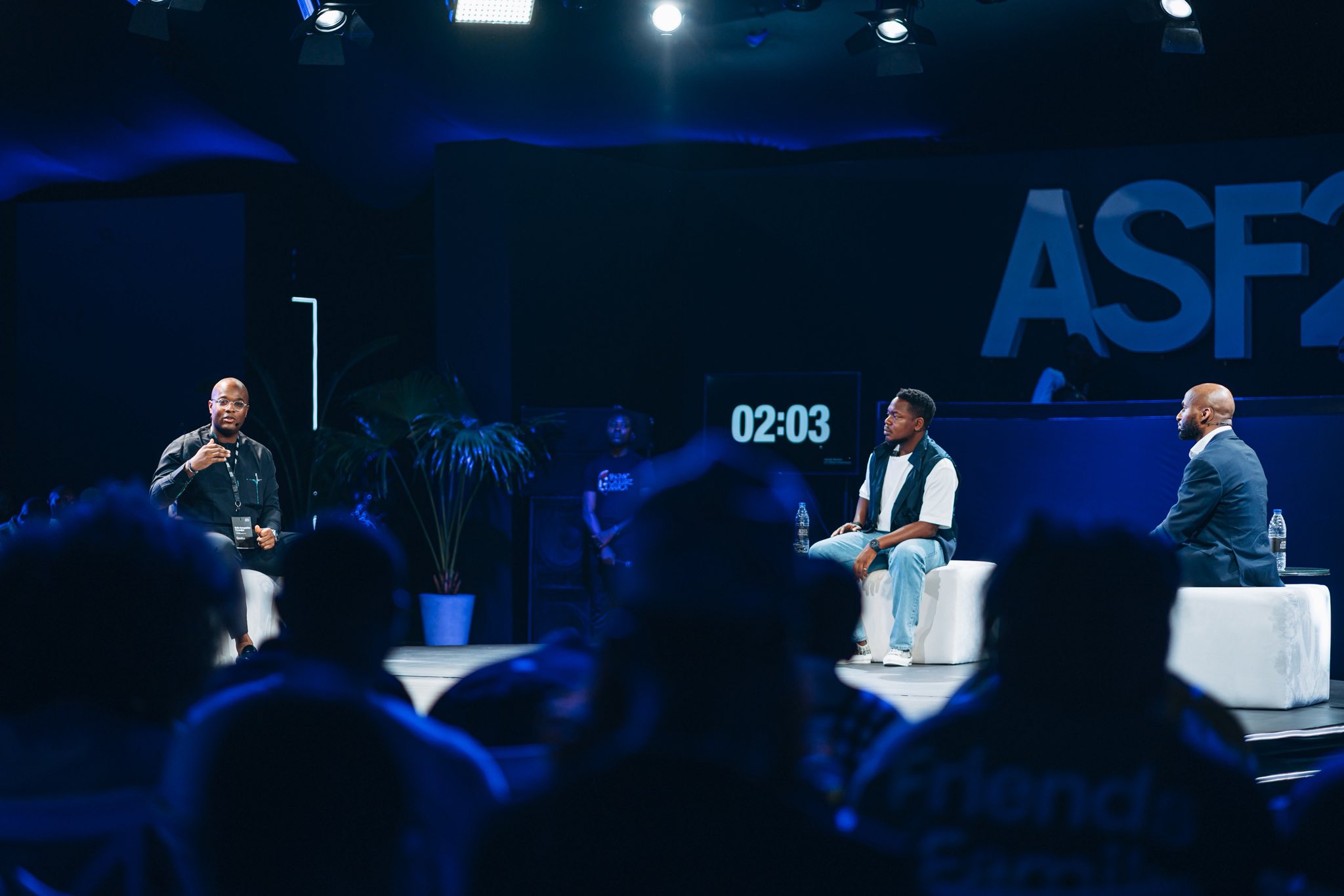
    Closing ceremony or crowd applause shot from ASF 2025

    At Hype Empire, we don’t just tell stories, we help build them.

    If your startup or event is entering its next growth phase, let’s design the story and the strategy that moves it forward.

  • Traditional Banks have ignored you, but Bank78 here to change the game.

    Traditional Banks have ignored you, but Bank78 here to change the game.

    Bank78 is changing the banking game.

    Most banks in Nigeria are built for high-profile customers.

    The kind that get relationship managers, priority queues, and exclusive perks. The rest of us don’t really have a choice. We still keep our real money with traditional banks, while fintech apps handle quick transfers and small payments.

    We trust fintechs for speed, but not always for stability.

    The gap Bank78 MFB is trying to close.

    Bank78 is saying: we are a bank too, but not your typical traditional bank. A digital-first bank that actually cares about the middle — professionals, founders, SMEs, and upwardly mobile Nigerians who earn well but don’t have ₦50 million sitting idle just to be treated properly.

    Testing the Bank78 Experience

    As part of our review process at African Tech Journal, our team downloaded the Bank78 app.

    The first thing we noticed was how lightweight it was. For a banking app, the size was small, the interface clean, and the onboarding process largely seamless.

    However, we did encounter a registration issue.

    We reached out via Instagram and didn’t get a response for a day. At that point, we needed to be sure whether this was a system issue or just an oversight. The team tried other contact channels, and once we got through, the response was prompt and the issue was resolved.

    Since then, transactions have been smooth and reliable.

    To be honest, we don’t know what exactly they’re “serving” behind the scenes but Bank78 is clearly one to watch.

    Prestige Without Exclusion

    Bank78’s positioning isn’t accidental. Its Chairman, Bright Ajaegbu, alongside Director EviOghene Osifo-Whiskey, recognised something many banks missed: prestige in banking doesn’t have to mean exclusivity.

    Their philosophy is simple: prestige made accessible.

    What Bank78 Means for You as a Customer

    For customers, Bank78’s promise is straightforward.

    It means you don’t need to deposit ₦50 million to be treated well.
    It means you can access premium digital banking without special connections. It means you get the same privileges others enjoy without hidden rules.

    Behind the scenes, Bank78 operates as a fully licensed and regulated bank, approved by the Central Bank of Nigeria and insured by the Nigeria Deposit Insurance Corporation.

    This isn’t a fintech experimenting with money: it’s a bank built for reliability first.

    Bank78 represents a clear maturation of Nigeria’s digital banking ecosystem.

    It proves that world-class financial infrastructure can be built locally.

    It shows that mass affluent Nigerians deserve better experiences.

    It demonstrates that technology, including AI, can enhance banking without dehumanizing it.

    Bank78 is live nationwide. Learn more at https://bank78.co.

    Sometimes, the most radical thing a bank can do is simply work consistently.

    And that’s the bet Bank78 is making.

  • No-Code Legacy Event 3.0

    No-Code Legacy Event 3.0

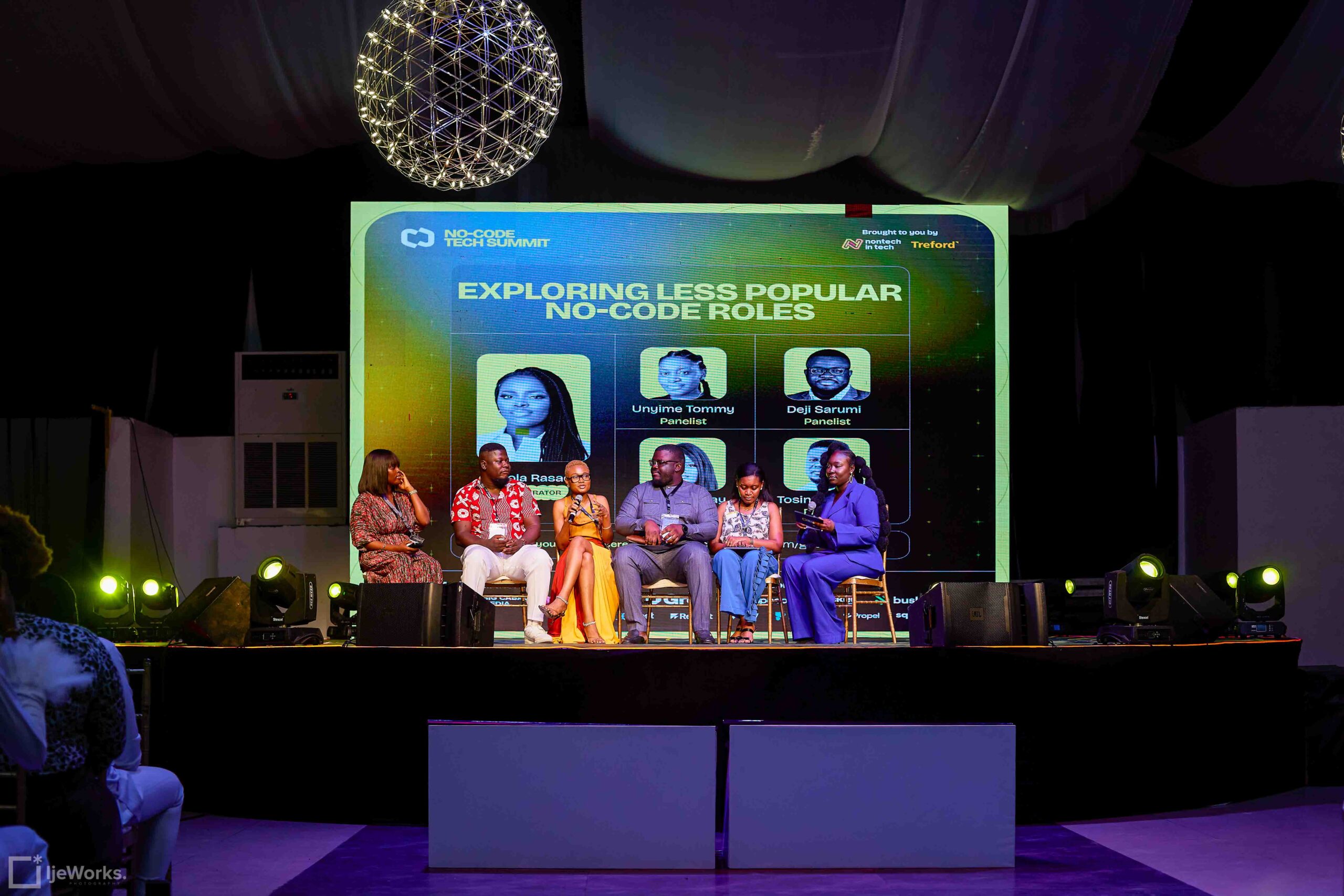
    African Tech Journal is excited to spotlight the No-Code Tech Summit & Awards 3.0, an annual gathering driving the future of no-code technology in Africa and beyond.

    This year’s edition brings together builders, creators, experts, and enthusiasts shaping the tech landscape without writing a single line of code.

    Date: February 21, 2026
    Location: Lagos, Nigeria
    Theme: BEYOND THE TOOLS: PEOPLE, PROCESS, AND POLICY

    No-Code Tech Summit & Awards 3.0 is more than a typical tech event — it is a purpose-built platform for non-technical builders, operators, and founders shaping Africa’s tech ecosystem.

    Attendees will gain practical insights from industry leaders, engage in focused sessions across People, Policy, and Process, and take part in conversations that go beyond tools to address how real tech products and companies are built and sustained.

    The experience concludes with the No-Code Tech Awards, celebrating individuals and teams driving impact and excellence across the ecosystem.

    Confirmed Highlights So Far:

    – Award nominees across categories have been reviewed and selected, and public voting is now live. You can vote here – nocodetechsummit.com/awards/ 

    – Awards will be presented at the official awards ceremony following the summit, exclusive to paid ticket holders.

    – Three concurrent breakout masterclass sessions focused on people, policy, and process will be held.

    – Expect a keynote session from a renowned industry leader

    – Curated networking experience designed for meaningful connections

    – Early Bird tickets are now available at ₦7,000 for a limited period.

    Whether you’re a product designer, marketer, growth specialist, UX designer, community builder, or tech enthusiast, this summit offers learning, networking, and recognition in one space. 

    Registration is open now — secure your ticket and join the movement at nocodetechsummit.com/register

    African Tech Journal celebrates platforms that expand access to tech opportunities and empower tomorrow’s innovators.

    The No-Code Tech Summit & Awards 3.0 is one of those platforms.

  • Kacha Labs transitions to Wokbud Limited, expands technology operations

    Kacha Labs transitions to Wokbud Limited, expands technology operations

    17th Aug, 2023

    Kacha Labs, a technology company focused on building products for the digital economy, has transitioned to Wokbud Limited as part of the company’s broader evolution and restructuring of its technology operations.

    The transition represents a new phase for the company as it expands its technology activities and develops new products under the Wokbud Technology structure.

    Speaking on the transition, Solomon Okafor and Jephtah Uche , The Founders of Wokbud Limited, said the change reflects the company’s evolving direction and the need for a broader structure to support the products and businesses it was developing.

    “The transition from Kacha Labs to Wokbud Limited reflects the evolution of our business and the direction we are taking as we build and develop new technology products. Wokbud gives us a broader structure for pursuing these opportunities while continuing to support the products and ventures we are building.”

    The company had previously operated as Kacha Labs, building products and solutions targeted at people participating in the digital economy. Public sources also identify Kacha Labs with products serving digital workers and freelancers.

    As part of the transition, Wokbud Limited became the parent company through which Earna was developed and operated. Earna focused on financial technology and building solutions around cross-border payments and financial services.

    The transition from Kacha Labs to Wokbud Technology also resulted in changes to the way the company’s operations and administrative activities were structured. As a result, historical records from this period may reference Kacha Labs, Wokbud Technology and Earna at different stages of the company’s development.

    The new Wokbud Technology structure allowed the company to continue developing technology products while operating Earna as one of its ventures.

    The transition marked another step in the company’s development as it continued to build products for the growing digital economy and explore new opportunities across financial technology and digital products.

  • 2DX Technologies rebrands as WithHalal, launching its own ethical fintech platform for individuals and small businesses

    2DX Technologies rebrands as WithHalal, launching its own ethical fintech platform for individuals and small businesses

    2DX Technologies and Consulting, the product design and technology company known for helping founders build and launch fintech products, has rebranded as WithHalal, marking its transition from a services led consultancy into a product led fintech company focused on non interest, shariah aligned digital finance for everyday users and SMEs.

    The transition formalises a shift that began with the team’s work on Halal, a digital payments and finance platform built to “bank the unbanked with zero interest” and provide a “bank for all”, leveraging Islamic banking principles to support small and medium enterprises with accessible capital and payments infrastructure.

    WithHalal now becomes the flagship product under the new corporate identity, while the company’s experience in building and launching fintech products is channelled into scaling its own financial technology stack.

    WithHalal operates as a three in one solution : a digital bank, 0 percent interest loan provider, and financial solutions platform for individuals and SMEs. The app gives users access to shariah compliant digital and financial products, offering non-interest banking services to both Muslims and non Muslims who want to align their finances with ethical, values driven principles.

    According to the company’s public profiles, WithHalal specialises in loans, savings, payment gateway services, everyday payments and business support for small enterprises.

    At the product level, WithHalal enables users to send and receive money through QR codes, link invitations, phone numbers, and usernames, making financial access “easy for all” and lowering the friction of everyday transactions in both consumer and merchant contexts.

    This multi channel approach is designed to meet users where they are, whether in informal markets, SME operations or digital first businesses, while maintaining the discipline of shariah based finance and avoiding interest bearing structures.

    “WithHalal is the natural evolution of everything we built at 2DX,” said Lukman Ibrahim, founder of WithHalal. “We spent years designing and launching products for other fintech founders.

    Now we are applying that same product discipline to our own platform, building financial tools that are transparent, non exploitative, and accessible to people and small businesses that have historically been underserved by traditional banks.”

    The company’s journey has already intersected with global financial inclusion initiatives. Under the Halal Payment brand, the venture has been profiled as an “all inclusive digital payments service platform” that leverages Islamic banking to provide shariah based financing for SMEs, with a stated focus on job creation, poverty alleviation, and economic productivity.

    It has also participated in programmes such as CATAPULT: Inclusion Africa in Dubai, signalling external validation of its mission to use Islamic fintech as a tool for broad based financial inclusion.

    By rebranding as WithHalal, the company is positioning itself less as a generic technology consultancy and more as a specialised workplace and financial operating system for ethical commerce, connecting payments, lending, savings, and business support into a single platform for SMEs and individuals.

    WithHalal’s emphasis on non interest banking, shariah compliance, and everyday usability places it within the growing Islamic fintech segment, which aims to bridge the gap between faith aligned finance and modern digital products for African and global markets.

    “WithHalal, we are not just adding another banking app to the ecosystem,” Ibrahim Lukman added. “We are building infrastructure that lets people move money, access financing, and grow their businesses without compromising on their values.

    Our experience as 2DX taught us that true scale comes from products that are deeply integrated into people’s daily lives.

    That is the future we are building towards with WithHalal.”