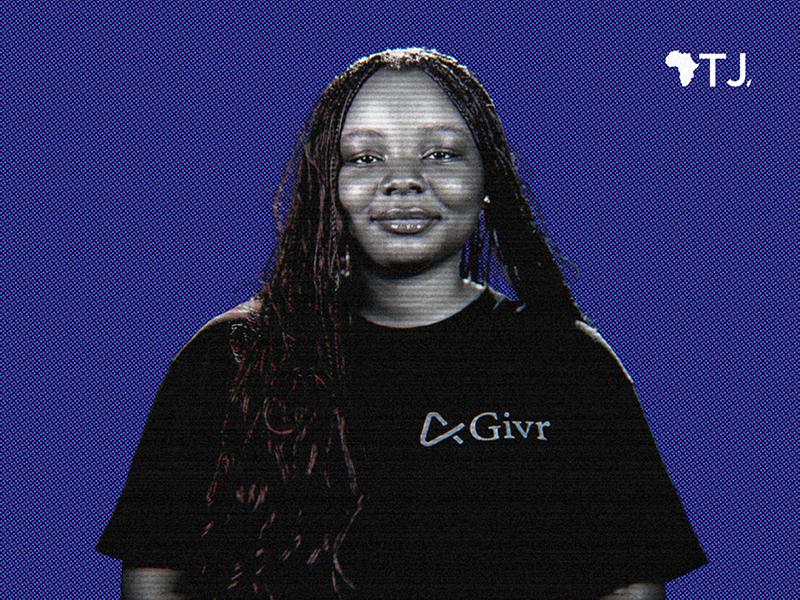
For many young Nigerians, the desire to give back is not the problem. Finding where to start often is.
A student may want to volunteer at an organisation, support a community project or contribute their time to a cause they care about, but opportunities are often discovered through WhatsApp groups, social media posts, friends or personal networks. There is rarely a central place to find verified opportunities, apply, participate and keep a record of the work done.
That gap is what led to Givr.
The idea started from a personal experience with volunteering. Stephanie Lakpa had always wanted to give back, but as a student, money was not something she had much of. What she did have was time and the willingness to help. In her first year at university, a friend invited her to visit an orphanage with a small group of friends.
It was a simple outing, but it stayed with her.
Over time, she kept accepting opportunities to volunteer while wondering about the people who wanted to help but did not know where to find those opportunities. Conversations with volunteers and organisations later revealed that the problem extended beyond discovery.
Organisations were also dealing with the administrative work behind volunteering: reviewing applications, confirming participants, communicating with volunteers, tracking attendance, issuing certificates and recognising contributions.
Givr was created to bring those two sides together.
Turning Volunteering Into a Structured Experience
The platform allows organisations to publish volunteer opportunities, review applications, accept volunteers and confirm project completion. Volunteers can discover opportunities, apply and build a record of the projects they have completed.
Givr also verifies organisations through VerifyMe, creating an additional layer of trust for people looking for opportunities.
This matters because volunteering in Nigeria has largely remained informal. A person may find an opportunity through someone they know, show up and contribute, but have little formal evidence that the experience happened.
Givr is attempting to change that by creating a digital record of participation.
A volunteer can build a profile that reflects their contributions over time, while organisations can maintain records of the people who participated in their programmes.
The company describes this as building infrastructure rather than simply running campaigns.
Early Signs of Demand
Givr launched with a focus on Abuja, but its early adoption has extended beyond the city.
The platform now has more than 200 verified volunteers and about 30 registered organisations across 20 Nigerian states, with more than 10 verified opportunities listed. It has also facilitated projects including a six-week menstrual health initiative, outreach programmes and a conference.
One of the milestones that stands out for the founder is seeing an organisation return to the platform.
The Greener Basket for Nutrition and Agriculture Foundation was among the first organisations to list a project on Givr. After successfully recruiting volunteers and completing the project, the organisation returned to post another opportunity.
For the team, the return was more meaningful than simply attracting another new user. It showed that the platform had become useful enough for an organisation to rely on again.
The distribution of volunteers has also revealed something about the demand for structured volunteering in Nigeria. Although Givr launched in Abuja, people from 20 states signed up without the company physically expanding into those locations.
A young person in Kaduna, for example, can discover an opportunity in Abuja, apply and build a record of their contribution without relying on an existing personal connection.
Building Trust Around Volunteering
For Givr, technology is not simply about making volunteering easier to find.
It is also about creating trust.
Organisations need confidence that volunteers will show up and participate. Volunteers need confidence that organisations and opportunities are legitimate. Givr is building toward a system where verification, applications, ratings and participation records can help establish that trust over time.
The company has also learned that signing up is not the same as volunteering.
Some people create accounts because they believe in the idea, but getting them to apply, show up and commit requires opportunities that genuinely align with their interests.
That has pushed Givr to think less about the number of people on the platform and more about the quality of the experiences it creates.
Building for a Culture That Already Exists
Givr is not trying to introduce volunteering to Nigeria.
Giving back has always existed within Nigerian communities. What the company sees as missing is the structure around it.
The founder points to a culture where people show up for neighbours, communities and causes, but where those contributions can disappear without a record.
Givr’s approach is to give that existing behaviour infrastructure.
The team has also remained close to the work itself, with the founder participating in projects including an IDP camp outreach and the SHE Initiative’s menstrual health programme. That proximity has helped keep product decisions connected to the people the platform is intended to serve.
What Comes Next for Givr
For now, the priority is strengthening the platform in Abuja before expanding into other Nigerian states.
The roadmap includes a deeper analytics and volunteer management system for organisations, including volunteer retention data, attendance history and downloadable impact reports. Givr also plans to allow individuals to create and lead their own volunteer initiatives on the platform.
Longer term, the ambition is to become the infrastructure for volunteering across Nigeria.
That could eventually mean a young person building a volunteering record from secondary school, carrying it through university and into their career.
For Givr, the bigger opportunity is not simply helping people find volunteer opportunities.
It is creating a system where showing up for others becomes easier to discover, easier to organise and easier to prove.
As Nigeria’s civic and social impact ecosystem becomes increasingly digital, Givr is betting that volunteering can move from something people discover informally to something that has the same structure and visibility people now expect from other parts of their digital lives.