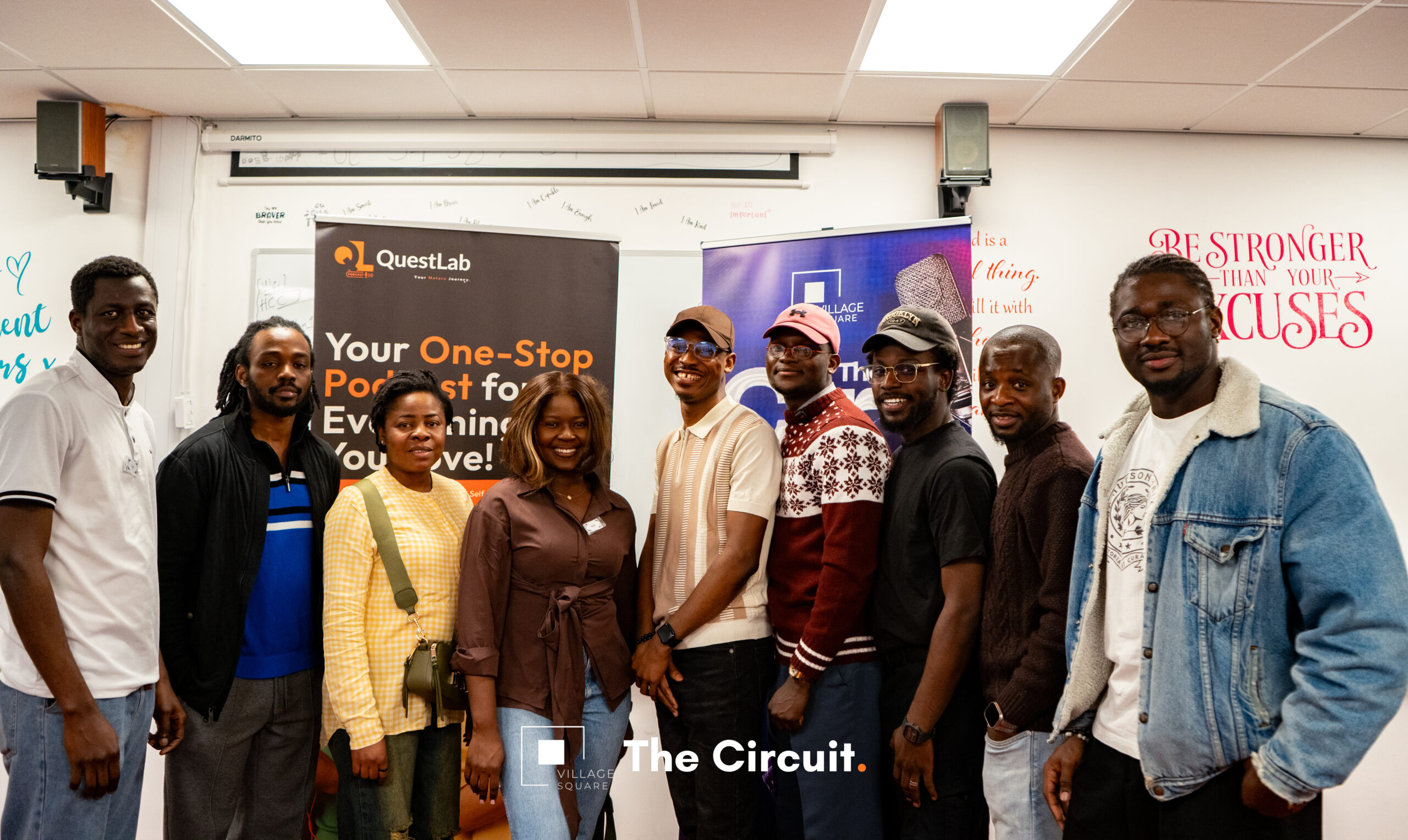
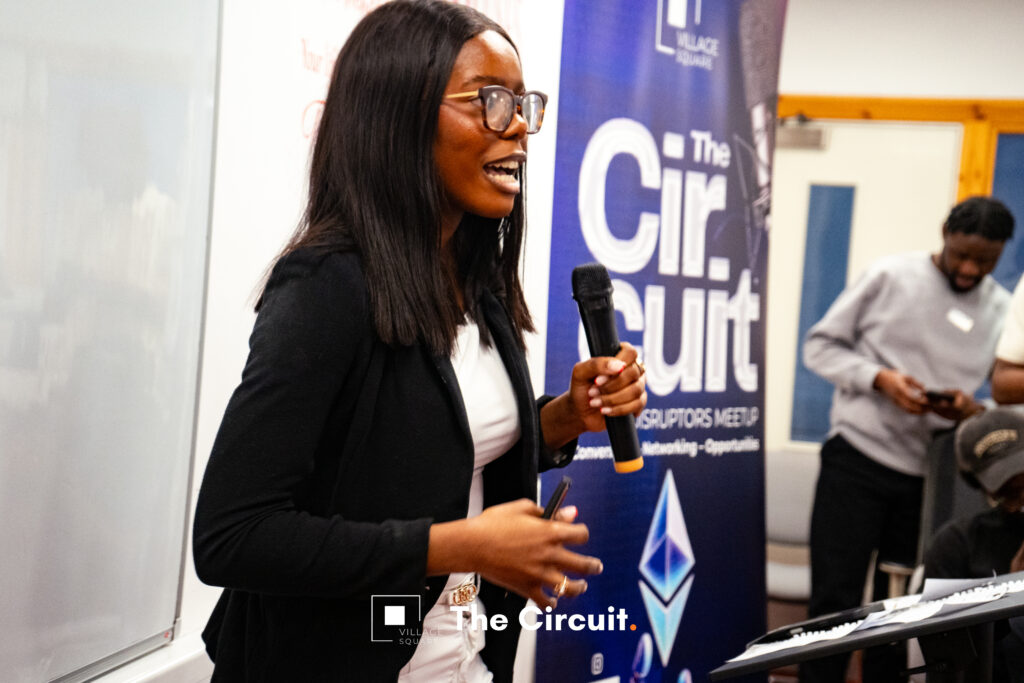
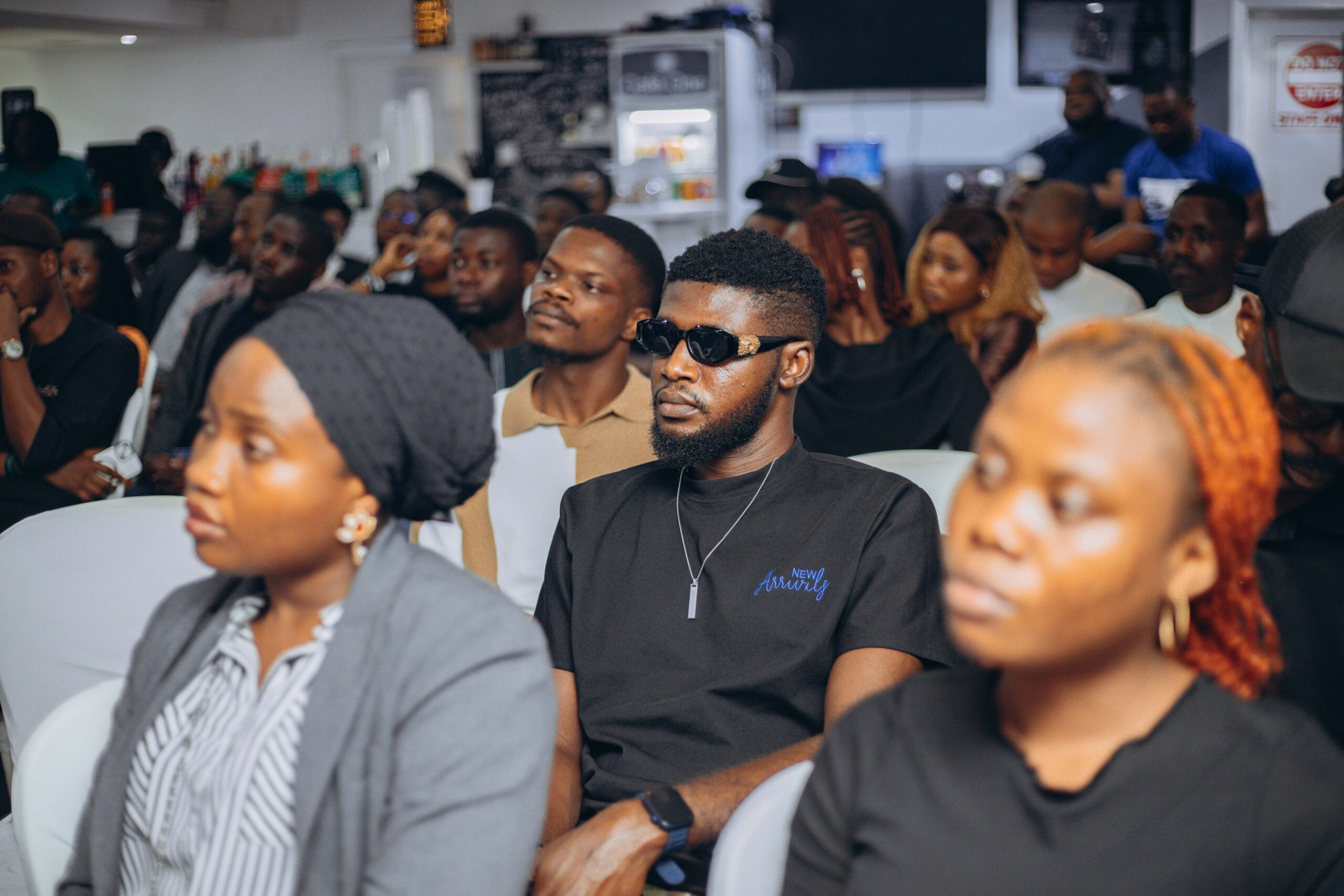
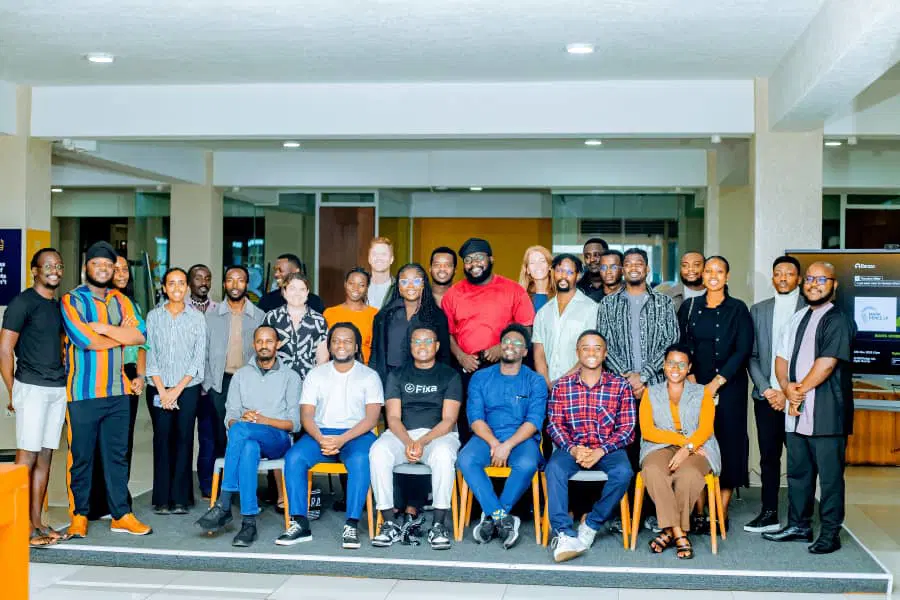
Circuit 1.0 is a community meetup event that brings together professionals, creatives, and emerging innovators in a collaborative environment focused on open dialogue, shared learning, and practical growth.
Held in Hull, United Kingdom, Circuit 1.0 convened participants from diverse backgrounds, creating a space where ideas could be exchanged freely and every voice contributed to the conversation. The meetup was intentionally designed to prioritise participation over presentation, encouraging active engagement rather than passive attendance.
The session was organised by Tosin Ojo, alongside Benjamin Ajibade, Oluwasegun Aluko, Dayo Ibrahim, Oladapo Ogunfeitimi, Adebisi Ajibade, Abimbola Babasanya, Odunayomi Stella, and Damilare Bakare, who collectively led the planning, coordination, and delivery of the event.
A key highlight of the meetup was the idea presentation segment, where participants showcased ideas and innovations across technology and applied problem-solving. Presenters included Osapkolor Emmanuel Omonbude, who explored open-source large language models for everyday use cases, Joy Balogun, who presented on AI-driven systems for lifestyle and decision-making, and Damilare Bakare, who shared insights on edge AI and introduced Sermio, a mobile application that converts sermon audio into summaries, key points, and structured insights using on-device AI.
Across discussions and sessions, themes such as innovation, personal development, career transition, and community building were explored, with participants engaging in thoughtful and constructive exchanges
Circuit 1.0 highlighted the growing need for intentional meetup spaces that foster real engagement, collaboration, and knowledge sharing within emerging tech and career ecosystems.
Following the success of this first edition, Circuit is set to continue as a recurring meetup series, expanding its reach and deepening opportunities for connection, collaboration, and innovation across communities.
You’re scrolling through Instagram and see clips from an event everyone seems to be at. Good crowd, good music, people you know. You check the comments, then your group chat.
“Why didn’t anyone tell me about this?”
Someone replies, “Tickets sold out since Wednesday.”
That moment is familiar.
In many African cities, events don’t suffer from lack of demand. They suffer from how they’re discovered, shared, and managed.
That gap is what TBM Events is building around.
Today, event discovery still depends heavily on social media posts, WhatsApp broadcasts, and word of mouth. Information is often incomplete, late, or lost in timelines.
TBM Events introduces a more structured approach.
The platform allows users to discover events in one place, purchase tickets seamlessly, and receive instant confirmation through QR-based access. Instead of chasing links or sending DMs, the process becomes straightforward.
For users, it reduces friction. For organizers, it removes guesswork.
Behind the scenes, event organizers deal with a different set of challenges.
Tracking attendees manually. Confirming payments across multiple channels. Managing check-ins with little visibility.
TBM Events brings these processes into a single system.
Ticketing, payments, and attendee management are handled in one place, allowing organizers to focus on execution rather than coordination. It also creates a clearer picture of attendance and engagement, something that is often missing in traditional setups.
Distribution as a Missing Layer
Beyond ticketing, visibility remains a key issue.
Many events don’t fail because they lack value. They fail because the right audience never sees them early enough.
TBM Events addresses this by acting as a distribution layer. Events listed on the platform are not just hosted, they are positioned for discovery within an ecosystem where users are already looking for things to attend.
This shifts discovery from passive scrolling to active searching.
Reflecting How Events Are Changing
The way people attend events is also evolving.
From physical gatherings to webinars and hybrid formats, users expect flexibility. TBM Events supports this shift by accommodating different event types within the same system.
For organizers, this means broader reach. For users, it means more access.
TBM Events is not trying to redefine events.
It is addressing the friction that sits around them.
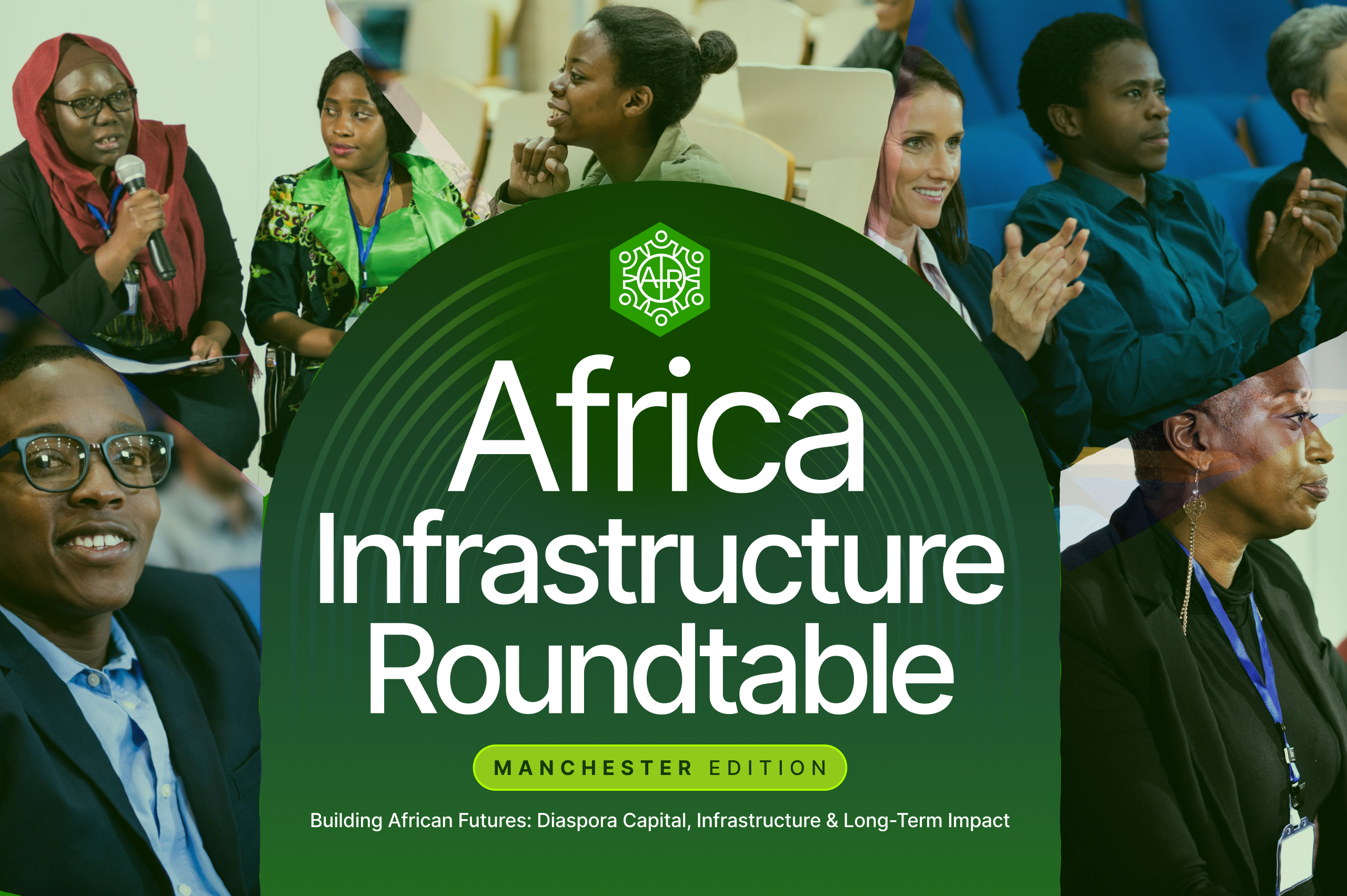
The Africa Infrastructure Roundtable (AIR) is built on a simple but urgent observation: while the African diaspora remains deeply invested in the continent’s future, there are still very few intentional, credible spaces where that interest can translate into structured dialogue, coordinated thinking, and long-term development outcomes. AIR exists to begin addressing this gap; creating a platform where capital, policy, and enterprise can be meaningfully aligned through focused, high-quality conversations.
This edition of the Roundtable will be held in Manchester, United Kingdom, on April 24th, 2026, under the theme:
Building African Futures: Diaspora Capital, Infrastructure & Long-Term Impact
At its core, the conversation will explore how diaspora leadership, investment, and institutional engagement can move beyond remittances and sentiment toward more structured participation in Africa’s infrastructure and economic systems. It will examine how capital can be coordinated for long-term value creation, how trust between diaspora actors and home institutions can be strengthened, and what sustainable, community-aligned development should look like over time.
To ensure the Roundtable is both intentional and deeply engaging, the theme will be explored through two structured conversations:
Community Capital & Infrastructure for Collective Growth This session focuses on how trust can be built within African and diaspora communities to enable more coordinated, community-driven investment ecosystems. It will explore how these systems can translate into credible infrastructure development, and what it takes to move from fragmented efforts to collective, scalable participation.
Institutional Bridges & Future Pathways This session builds on the first by examining how diaspora professionals can connect capital, policy, and enterprise into structured impact.
It will explore the kinds of platforms, partnerships, and institutional frameworks required to enable sustained collaboration between the diaspora and the continent.
The Roundtable will also feature keynote addresses designed to frame and deepen the conversation:
Timi Olagunju, a policy expert, lawyer, and governance strategist, will deliver a keynote titled “From Diaspora Potential to Institutional Impact.” His address will explore how diaspora professionals can move beyond individual success to build structured bridges between capital, policy, and enterprise, and what systems are required to translate influence into measurable, long-term impact.
Sally Amoasah, an impact and investment professional, will deliver a keynote titled “Funding What Matters: Lessons from Impact Investment for Diaspora-Led Development.” Her keynote will focus on how capital can be redirected toward meaningful outcomes, and how funding models can be structured for sustainable and scalable development impact.
The conversations will be guided by experienced moderators with backgrounds across governance, law, business, policy, and leadership, ensuring the dialogue remains structured, insightful, and outcome-oriented.
A number of speakers will be contributing to the discussions, including:
Cameroonian changemaker Paul M. Laka, founder and managing partner of Fuest Construction Brokers, also a diaspora investment and development advisor focused on diaspora engagement and sustainable finance
Jeffrey Williams-Edem, a strategy and investment professional focused on connecting capital, enterprise, and cross-border opportunities. His work centres on building pathways for sustainable investment and fostering partnerships that drive long-term economic growth across African markets.
Henry Adebisi, a finance leader and investor focused on unlocking capital and building scalable businesses across Africa. He is the founder of AfriStakes, a platform connecting African enterprises with local, diaspora, and global investors to bridge capital gaps and drive long-term economic growth
Seun Odusanya, a communications and engagement professional working across public policy, community insight, and youth-focused development initiatives
— among other professionals, founders, and ecosystem leaders contributing diverse perspectives to the dialogue.
The event is being supported by a growing network of Nigerian, African, and Caribbean diaspora communities in the UK, alongside student organisations, unions, and ecosystem groups, reflecting the collective nature of the conversation and the importance of broad-based participation.
AIR will be a hybrid event, taking place in person in Manchester while also being livestreamed to a wider Africa-based and global audience through Langovest’s digital platforms and those of its media partners, ensuring the conversation extends beyond the room and continues to engage a broader community.
Overall, the Africa Infrastructure Roundtable is designed not just as an event, but as a starting point and a deliberate step toward building more structured, collaborative, and sustained diaspora participation in Africa’s long-term development.
There is a version of Lagos that thrives on spectacle. LED screens, demo-day theatrics, founders exchanging LinkedIn QR codes in crowded rooms that promise access but rarely deliver clarity. It is the Lagos of branded lanyards and pitch competitions where the winner is photographed and then largely forgotten. It is loud, visible, and for a certain kind of founder building a certain kind of business, almost entirely useless.
And then there was Baraza Lagos.
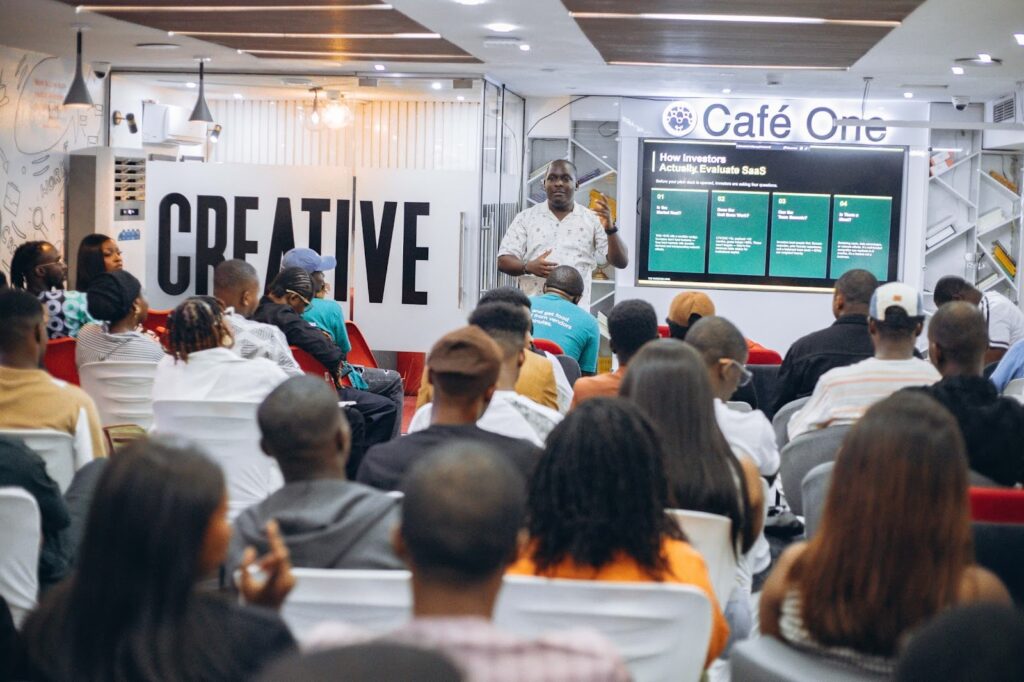
On February 21, 2026, at Café One in Yaba, the energy was noticeably different. The room held roughly a hundred founders, operators, legal advisors, and investors – and what distinguished it was not who was present but what they were doing.
No oversized branding installations. No performative networking rounds with a timer. People were leaning in, not posturing, notebooks were open. When the sessions broke into smaller clusters, nobody was debating valuations in the abstract or rehearsing their elevator pitches on each other.
They were asking specific questions about specific problems. Cap table structures that had been assembled hastily in year one and were now creating friction in year three, compliance obligations that had been deferred and were now threatening deals, governance arrangements that looked fine on paper and were quietly becoming liabilities.
The conversations were, by any conventional measure of tech event programming, deeply unglamorous. They were also exactly the conversations most African founders most need to be having – and almost never are.
Not fundraising hype, not valuation optics. Structure.
Because across African startup ecosystems, failure is rarely caused by lack of ambition. The ideas are frequently correct – correctly identified problems, correctly sized markets, correctly intuited solutions. What kills startups is the infrastructure of bad decisions made before the business had the revenue or the resilience to absorb them: equity structured carelessly in year one, compliance ignored until it becomes expensive in year three, governance reactive rather than proactive throughout, documentation incomplete precisely when due diligence arrives.
Baraza has chosen to sit directly inside that tension.
Kigali: Testing a thesis about serious rooms
Baraza did not begin in Lagos.
The first edition was held in Kigali on November 18, 2025, positioned as a pre-event mixer ahead of Norrsken Africa Week. Not designed to compete with large conferences – designed, rather, to filter them.
The theme was direct: “Funding the Future: What smart money looks for in African founders.”
Behind the design of that room was Semudara Abayomi, the convener known across Lagos’s startup corridors as Bayomi – who had spent enough time inside Africa’s ecosystem events to understand what most of them got wrong. The signal-to-noise problem, the tendency to pack rooms with people and empty them of depth, the gap between the conversations that happened on stage and the conversations founders actually needed to be having with each other.
He had a clear instinct: that the value of a gathering is not proportional to its headcount. That a room of fifty people asking uncomfortable questions is worth more than a hall of five hundred applauding comfortable answers.
Rather than chasing attendance volume, Baraza Kigali focused on curation. Founders, investors, and ecosystem leaders from across seven countries convened in a controlled room where the conversation centred on capital readiness, not capital aspiration.
The thesis that shaped the programming was simple and strategic: serious capital requires serious structure.
In an ecosystem where visibility can be mistaken for viability, Baraza emphasised that investor confidence is built on disciplined cap tables, governance alignment, compliance hygiene, and operational clarity – not on the size of the pitch deck or the ambition of the vision statement.
Intimate rooms, when designed with intention, generate more actionable ecosystem value than conference halls full of badges. Founders didn’t leave with tote bags. They left with clarity.
It proved something important enough to test again. Lagos became the next logical stress test.
Lagos: When compliance became competitive advantage
If Kigali was about funding readiness, Lagos was about structural survival. The theme was unapologetically direct: “Building Compliant, Scalable and Investment-Ready Tech Startups.” The tone shifted from what investors want to what founders must fix – and the room felt that shift from the first session.
Speakers were selected not for inspiration but for operational authority. Practitioners who had lived inside the problems they were discussing and had earned the right to speak to them.
Segun Cole set the temperature early. His point was precise and, for many founders in the room, quietly devastating: a pitch deck does not secure capital. It secures a meeting. What closes the gap or collapses it is disciplined economics, a defensible structure, and the founder’s ability to answer hard questions without deflecting.
Several people in the room, by their own admission afterward, realised mid-session that they were not as ready as they had assumed. That realization was the point.
Omoruyi Edoigiawerie pushed on a different pressure point. The instinct to model African startups on Western templates, to build for a version of a market that exists in San Francisco rather than the one that exists in Lagos, Accra, or Nairobi – is, he argued, one of the more expensive mistakes a founder can make. The frameworks are borrowed. The assumptions embedded in them frequently do not survive first contact with local regulatory and market realities.
Founders who understand this early build differently. They localise not just their product but their operating logic.
Cynthia E. Chisom’s session was the one people were still discussing as they stood in the car park afterward. She drew the line between governance architecture, stakeholder management, and long-term revenue durability in a way that reframed compliance entirely – not as legal overhead bolted onto a business after the fact, but as enterprise infrastructure built into its foundations.
A business with weak governance is not just a compliance risk. It is a revenue risk, a retention risk, a fundraising risk. The room went quiet in the way rooms go quiet when a speaker articulates something the audience already knew but had never heard said directly.
By the end of the evening, the conversation in the room had shifted. Not ‘How do I raise?’ but ‘What needs restructuring before I raise?’ That difference is subtle and transformative.
The format held everything together: short, dense sessions; direct Q&A that ran long because the questions were real; breakout discussions that formed organically and refused to end on schedule.
Founders were not leaving inspired in the vague sense the word usually implies at tech events. They were leaving with specific things to fix.
Why the timing is not accidental
African startup ecosystems are entering a maturity phase, and the terrain is shifting in ways that reward structural discipline. The early era of unchecked experimentation is narrowing. Investors are more cautious, regulatory bodies are more observant, cross-border expansion requires legal clarity that founders of three years ago could afford to defer.
The next generation of African builders will not be measured only by growth curves. They will be measured by governance quality, by the cleanliness of their cap tables, by whether their compliance posture can survive the scrutiny of institutional capital.
In that context, Baraza is less an event series and more a signal. It signals that the ecosystem is recalibrating – from noise toward durability, from visibility toward viability. The founders who treat compliance as leverage rather than liability will likely be the ones still standing when funding cycles shift again. The rooms shaping that mindset are only getting sharper.
The Architecture Behind the Room
A well-run event and a well-told story about a well-run event are two entirely different achievements. Baraza Lagos earned both. The second achievement required a specific and uncommon kind of expertise.
Hype Empire came into the Baraza Lagos story not as a vendor executing a brief but as a strategic communications partner that understood what the event needed to become. The question was never simply how to promote it. It was more foundational than that: how do you translate a room full of serious, non-performative conversations into a public narrative that is equally serious, equally unperformed, and still compelling enough to reach the founders who were not in the room? Events that deliberately resist hype are harder to tell stories about than events designed for it.
The instinct in communications is to reach for the dramatic, the quotable, the shareable spectacle.
Hype Empire’s discipline built over years of working inside Africa’s ecosystem – was to resist that instinct and find the harder, more durable story: that the quietest room at a tech event is sometimes the most important one.
There is a difference between publicity and positioning. Publicity fills a moment. Positioning builds a narrative that compounds. Hype Empire understands that difference, and the Baraza Lagos amplification strategy was built on it.
From pre-event ecosystem framing to post-event media syndication, from curated social heat to visual storytelling that preserved the room’s focused intensity without manufacturing spectacle, the strategy delivered one outcome above all others: Baraza Lagos was perceived not as another tech meetup on the Lagos calendar, but as a structural intervention in how African founders think about building. That perception did not happen by accident. It was engineered.
The involvement of the Nigerian Bar Association, Lagos Branch added institutional gravity. Compliance was not discussed as an afterthought but as architecture. Legal structure treated as foundational to innovation, not antagonistic to it.
Media partners including Africa Tech Journal reinforced the reach, amplifying the discourse beyond Yaba and signalling that this was not a private gathering but a directional shift.
Depth met reach. Substance met visibility. That combination is rare in African tech communications, and it was engineered deliberately. This is what it looks like when PR is treated as strategy rather than afterthought – when the story of an event is designed with the same care and intention as the event itself.
Bayomi’s take
In the short video Baraza released, now making rounds on X and Instagram, convener Semudara Abayomi known across the ecosystem as Bayomi, sounded quietly proud, the way someone does when a bet pays off.
He described Baraza as building “spaces where founders leave with maps, not just memories.”
He spoke about reframing compliance from “that scary legal thing” into “the boring superpower that lets you raise, scale, and sleep at night.” It was a subtle but radical repositioning. Compliance not as constraint. Not as bureaucratic friction. But as leverage.
You could hear relief in his voice. The room had done exactly what it was designed to do.
Less than 48 hours later he was already teasing next moves on X: “Baraza Lagos… Abuja next or Nairobi?”
The continental horizon
Less than 48 hours after Lagos concluded, conversations had already shifted to the next question: Abuja, or Nairobi?
Each city carries a different strategic weight.
Abuja is policy-proximate in ways Lagos is not – a city where decisions inside ministries and regulatory agencies shape the operating terrain for every startup in Nigeria. A Baraza room there would tilt toward regulatory engagement, public-sector dialogue, and the structural realities of building close to federal power. For founders navigating that interface, such a room barely exists today.
Nairobi represents a different frontier. It is Africa’s deepest startup density outside Lagos – cross-border by default, seasoned in fintech regulation, and experienced in scaling across markets with varying compliance demands. The conversation there would not be about whether structure matters, but about which structures to build, in what order, and for which markets.
Different cities. Same DNA: curated rooms, structural honesty, zero performance.
If Kigali tested the thesis and Lagos refined it, the next editions will determine whether Baraza becomes a continental standard – the series serious African builders treat as essential rather than optional.
Build with Hype Empire
At Hype Empire, we don’t just report on what’s happening in Africa’s startup ecosystem, we help shape how it’s understood. The Baraza story is one example of what happens when communications strategy is built with the same intentionality as the event it serves.
If you are building something meaningful and need it positioned with clarity, depth, and long-term narrative relevance – not just a press release, a post-event recap, but a story that compounds over time, Hype Empire is the team that knows how to build it.
Five finalists will pitch their ideas to leading voices in Nigeria’s AI, innovation and tech ecosystem on Saturday, April 4, 2026 in Lagos Nigeria
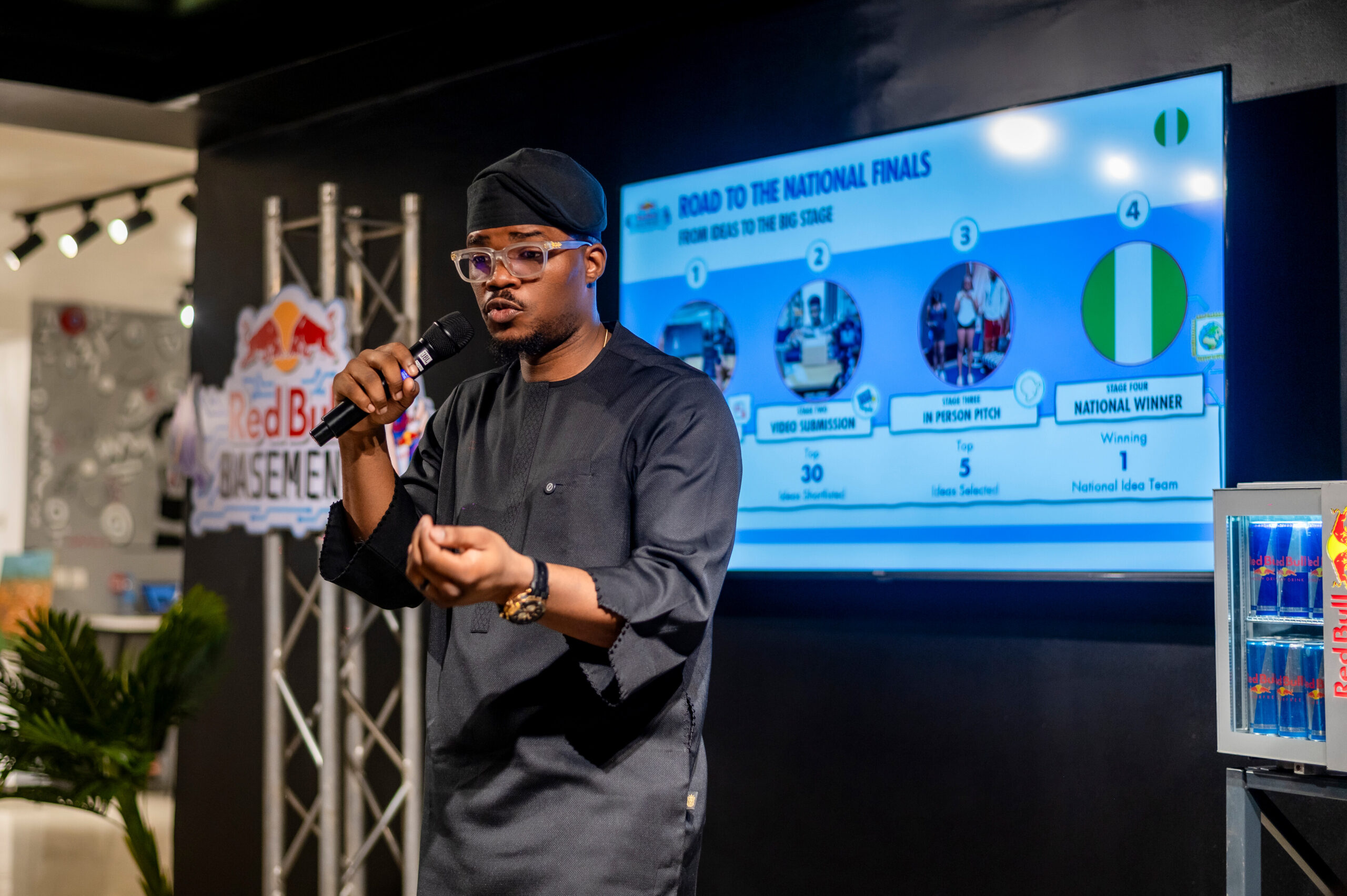
After attracting more than 3,000 applications from aspiring innovators across Nigeria, Red Bull Basement 2026 is set to host its Nigeria National Final on April 4, where five standout individual/teams will pitch their technology-driven ideas to a panel of influential leaders from the country’s AI, Innovation and tech ecosystem.
The finalists represent the most promising ideas selected from thousands of submissions nationwide, reflecting the creativity and ambition of Nigeria’s growing community of student founders and early-stage entrepreneurs.
Red Bull Basement is a global innovation programme that empowers student founders and first-time entrepreneurs to transform bold ideas into real-world solutions.
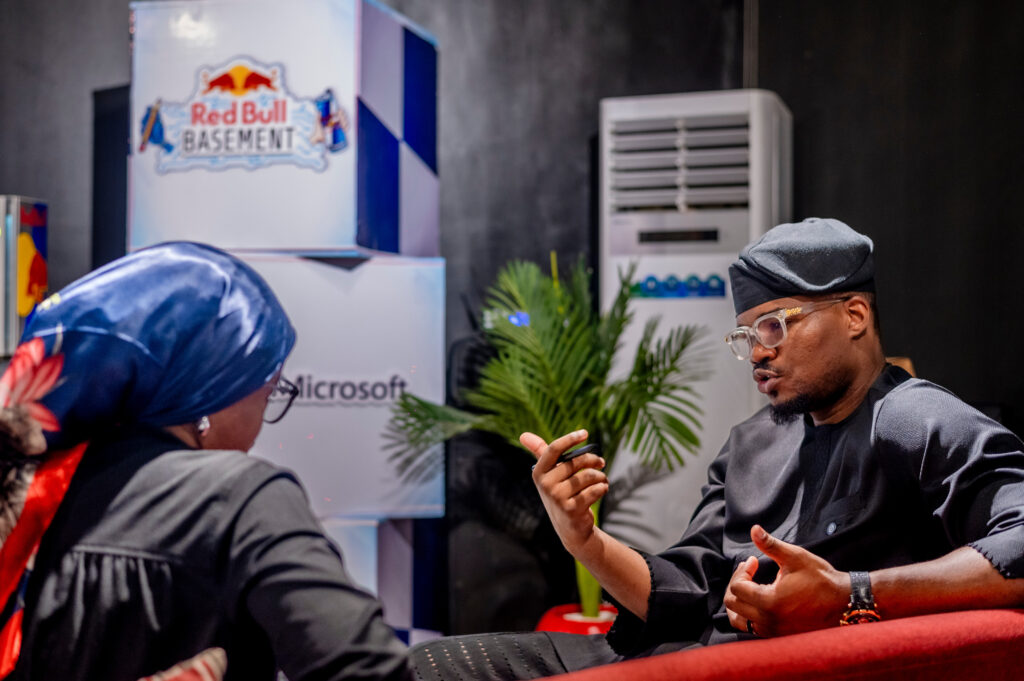
Alexander Ehanire interacts with a participant during the Red Bull Basement Innovation Workshop at Cafe One in Abuja, Nigeria on February 28, 2026. // Adelugba Oluwapelumi / Red Bull Content Pool // SI202603160070 // Usage for editorial use only //
By combining AI-powered technology, mentorship, and global exposure, the programme helps young innovators develop ideas that can positively impact industries and communities worldwide.
From Thousands of Applications to Five Finalists
This year’s edition saw an overwhelming response from young Nigerians, with more than 3,000 applications submitted from universities, tech communities, and startup hubs across the country.
Applicants proposed solutions tackling a wide range of challenges, including:
Expanding access to education
Sustainable innovation
Health and wellness technology
Digital tools for creators and entrepreneurs
Community-driven tech platforms
Following multiple rounds of evaluation, the strongest ideas were shortlisted, eventually narrowing the field to five finalist teams who will now present their prototypes live at the National Final.
The National Final: Ideas Under the Spotlight
At the Red Bull Basement Nigeria National Final, each team will deliver a two-minute pitch and prototype presentation before a panel of three respected figures from Nigeria’s technology and innovation space.
The judges will assess each concept based on:
Innovation and originality
Potential impact on communities or industries
Scalability and feasibility
The strength of the founding team
The winning team will be crowned Nigeria’s Red Bull Basement champion, earning the opportunity to represent the country as the programme continues globally later this year.
Fueling Nigeria’s Next Generation of Builders
Through Red Bull Basement, participants gain access to powerful tools that help turn ideas into working prototypes, even for those without traditional technical backgrounds.
The programme is run in collaboration with Microsoft, AMD, and Red Bull Ventures, giving innovators access to AI-powered technology, development resources, and mentorship from experts in the tech ecosystem.
For the five finalists, the National Final represents a chance to showcase the power of Nigerian innovation and the potential of young founders to create solutions that can scale beyond their communities.
For more information check out @redbullng and go on www.redbullbasement.com to secure a spot to attend
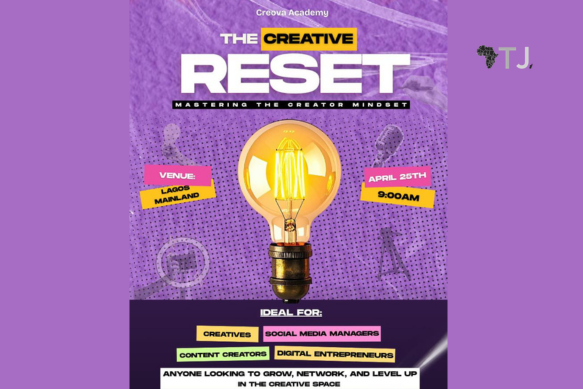
The creative industry doesn’t slow down. Algorithms change, trends shift, client expectations evolve and most creators find themselves constantly producing, constantly adapting, but rarely stopping to ask the most important question: am I still building in the right direction?
That’s exactly the gap The Creative Reset 2026 was designed to fill.
On April 25th, 2026, Creova Academy is hosting its first-ever physical event on the Lagos Mainland ; a one-day educational and community experience built specifically for creatives who are ready to pause, reflect, and realign their creative direction with intention.
What Is The Creative Reset?
The Creative Reset isn’t a motivational event. It’s not about hype or surface-level inspiration. It’s a practical, structured day designed to help you master the internal game that drives everything you create externally.
This year’s theme : Mastering the Creator Mindset which sets the tone for what attendees can expect: deep, honest conversations about the mental, strategic, and creative challenges that content creators, designers, writers, digital entrepreneurs, and social media managers face every single day.
What to Expect
Doors open at 9:00 AM and the day will be packed with value from start to finish. Attendees can look forward to keynote sessions from industry voices, a panel discussion covering real experiences from the creative community, a guided creative reset session to help you reconnect with your craft, and intentional networking with a room full of like-minded creatives.
This isn’t a conference where you sit, listen, and leave unchanged. Every element of the day has been designed to create real, lasting impact on how you think, create, and grow.
For Creova Academy, The Creative Reset 2026 marks the beginning of something much bigger , a long-term commitment to equipping Africa’s creative community with the tools, mindset, and connections needed to thrive in an industry that rewards those who show up with purpose.
If you’re a creative in Lagos or willing to make the trip then this is the room you want to be in.
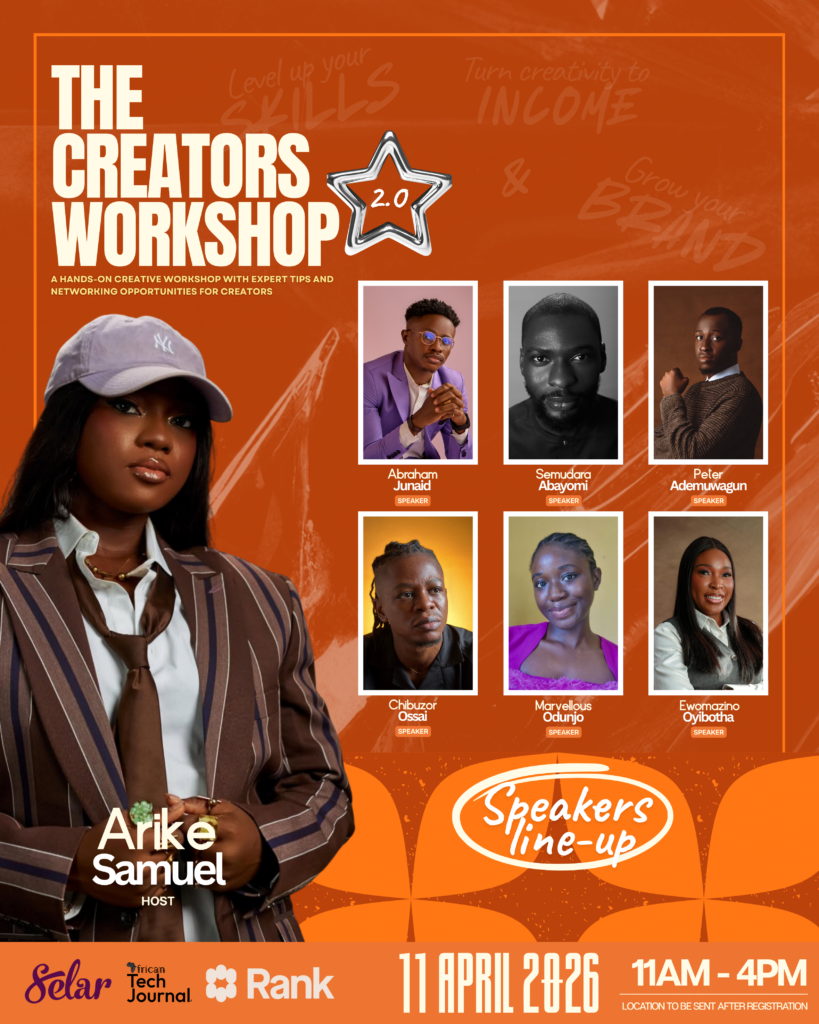
Creators Workshop 2.0 is the third edition of a hands-on creative learning experience designed to help creators sharpen their skills, learn practical strategies for content creation, storytelling, branding and scaling their creative business. Participants will gain actionable insights and real-time hands-on experience to grow their creative careers.
ORGANISER’S QUOTE
“The Creators Workshop was born out of a simple but powerful belief, that whatever idea or dream you’re sitting on, you actually can do it. This is the room we wished we had when we were starting out.” — Arike, Founder, The Creators Workshop
SPEAKERS & SESSIONS
Marvellous Odunjo — Video Editing & Storytelling in the Creator Economy Marvellous
Chibuzor Ossai — Video Editing & Color Grading Chibuzor
Peter Ademuwagun — Designing Compelling Content with Canva
Abayomi Semudara — Creating Content That Cuts Through the Noise
Abraham Junaid (AjayWhisper) — Building a Creative Career & Scaling Opportunities
Ewomazino — Protecting Your Work A focused session on the legal framework every creator needs.
KEY TAKEAWAYS FOR PARTICIPANT: Practical skills in video editing, storytelling, design and branding; insights into growing a sustainable creative career and monetising content; understanding of IP rights and how to protect creative assets; and networking and collaboration opportunities with fellow creators.
SOCIAL HANDLES & HASHTAG Organiser: @workwitharike
In the digital economy, brands, communities, and movements are built on social media every day. Behind those posts, campaigns, and conversations are professionals who manage communities, shape narratives, and drive engagement online.
Yet, despite their impact, social media managers, community builders, and digital professionals rarely have spaces designed specifically for them.
That is what ENGAGE 2026 aims to change.
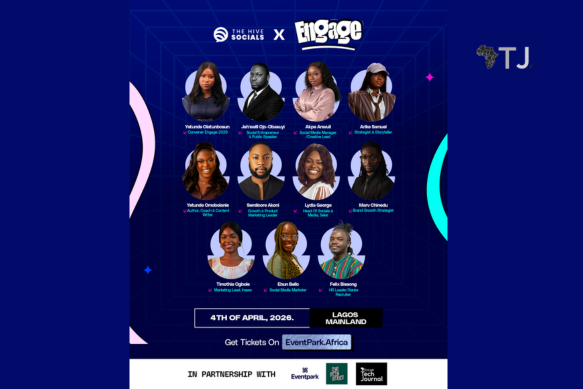
Organised by The Hive Socials community, ENGAGE 2026 is a community-driven event designed to bring together the people who build digital communities for others. Rather than being a traditional conference, the event focuses on learning, honest conversations, and meaningful connections among professionals navigating the fast-evolving world of social media and digital marketing.
The event is scheduled to take place on April 4, 2026, on the Lagos Mainland, bringing together creators, social media managers, brand strategists, and digital professionals for a day of shared insights and collaboration.
At its core, ENGAGE 2026 is about creating a room where the people responsible for building online communities can finally build one for themselves.
Convener Yetunde Olatunbosun, founder of The Hive Socials, is bringing together a lineup of speakers who work at the intersection of content, growth, marketing, and digital storytelling.
Speakers at ENGAGE 2026
The event will feature conversations and insights from professionals actively shaping the digital ecosystem:
Yetunde Olatunbosun — Convener, ENGAGE 2026
Jah’swill Ojo-Obasuyi — Social Entrepreneur & Public Speaker
Akpe Anwuli — Social Media Manager / Creative Lead
Together, they will explore topics around social media strategy, content creation, community building, growth marketing, and the evolving role of digital professionals in today’s economy.
As more businesses and creators rely on digital platforms to reach audiences, events like ENGAGE 2026 highlight the importance of the professionals who keep those communities active and thriving.
By creating an intentional space for these conversations, ENGAGE 2026 is positioning itself as a gathering point for the people shaping online culture and digital engagement.
For creators, social media managers, and digital professionals looking to connect with peers and gain practical insights, the event promises a room full of conversations that matter.
February 21, 2026. Lagos. 100 founders. One mission: build startups that don’t break under legal scrutiny.
What started in Kigali as an experiment in authentic founder conversations is coming to Lagos and it’s bringing something Nigerian tech rarely talks about openly: the compliance gap that kills promising startups.
Baraza Lagos: Tech Compliance & Legal Summit isn’t another pitch event or networking circus. It’s a 100-person advisory session designed around a single question: How do you build a tech company that’s scalable, investment-ready, and legally bulletproof?
The answer, according to organizers like Semudara Abayomi and Abisinuola Adedeji, isn’t more inspiration. It’s honest conversations about the regulatory minefields founders navigate daily and the practical tools to avoid them.
From Kigali to Lagos: The Baraza Model
The name comes from the Swahili word for “council” or “gathering” and that’s precisely the vibe. Not panels with polished slides. Not keynotes from people who haven’t built recently.
When Baraza launched in Kigali in November 2025, it attracted participants from seven countries and served as a pre-mixer for larger ecosystem gatherings like Norrsken Africa Week. Lagos inherits that model but adds a critical partner: the Nigerian Bar Association (NBA) Lagos Branch. This means founders get direct access to the legal expertise that determines whether a startup scales or stalls at Series A due diligence.
What Founders Actually Get
1. Compliance That Unlocks Capital
VCs invest in structures that won’t blow up during due diligence. Baraza Lagos tackles the unsexy fundamentals:
Corporate structuring that survives scrutiny.
Equity distributions and vesting schedules.
IP protection and NDPR (Data Privacy) compliance.
2. Regulatory Navigation
African landscapes are fragmented. Sessions break down how to actually navigate:
CBN guidelines for fintechs.
SEC rules for crypto and web3.
Cross-border compliance for regional scaling.
3. The 100-Person Advantage
By capping attendance at 100, Baraza ensures connection quality. Past attendees from Kigali report pitch decks refined on the spot, co-founders found, and investor intros made through these high-trust interactions.
Who This Is For
Founders raising or planning to raise (Seed to Series A+).
Co-founders navigating equity splits or governance.
Operators building compliance into company culture.
For years, Nigeria’s tech story has followed a predictable path. If a startup is serious, ambitious, or scalable, it must come from Lagos. The coast became shorthand for opportunities, while other cities were treated as feeders at best.
But as Lagos grows more crowded and expensive, that assumption is beginning to crack. And Ibadan is one of the cities proving why innovation no longer needs to be coastal.
Ibadan has always been known for education and culture, but in recent years, something else has been taking shape. Builders are no longer just learning there; they are building real products, creating companies, and attracting attention beyond the city.
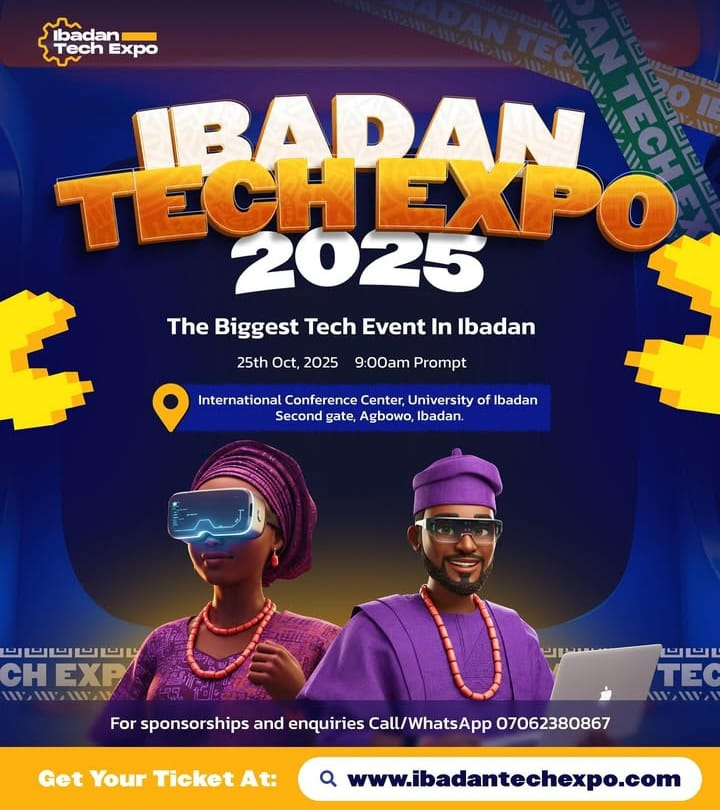
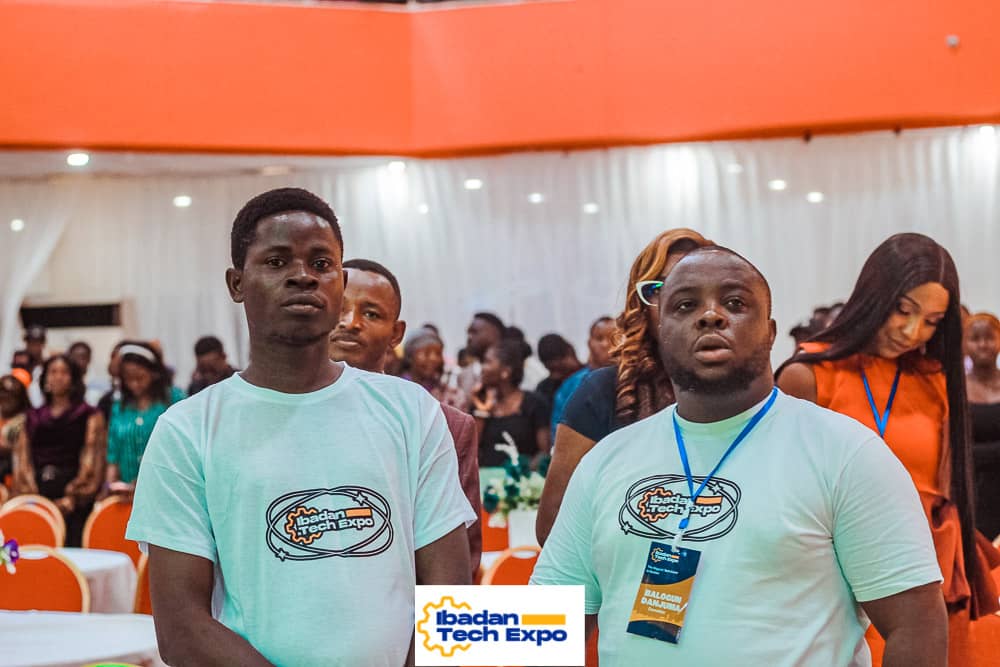
Ibadan Tech Expo didn’t create this momentum, it revealed it.
Speaking on what the Lagos-first narrative has ignored, Mr Taiwo, the World’s Best CMO, a prominent marketing executive who frontlined spreading the news of Ibadan Tech Expo independently, explains:
“Cities like Ibadan are underestimated under the narrative of depth. Yes, Lagos is fast and ‘gingering’, but the calm environment in Ibadan, the proximity to top-tier institutions, and a strong intellectual tradition are constantly ignored.”
This perspective reinforces why Ibadan’s progress feels less noisy but deeply rooted.
Innovation was already happening
Long before the expo gained attention, Ibadan had already begun producing companies that challenged the idea that serious innovation must come from Lagos. One such example is Alerzo, a logistics company founded in Ibadan in 2019.
Instead of relocating to Lagos, Alerzo built and scaled its business from Ibadan. Over time, the company expanded its reach beyond the city into multiple regions of Nigeria, while keeping its core operations in Ibadan.
Alerzo’s growth tells a simple story: innovation can start inland, scale nationally, and still remain rooted where it began.
According to Mr Taiwo, emerging tech communities outside Lagos have practical advantages that are often overlooked:
“There is a low cost of living and operations, which extends the startup runway. There is access to talent in cities like Ibadan, which are more loyal and less distracted. There is also a community with stronger bonds and collaboration that makes marketing easier, speaking from my experience.”
These conditions quietly give founders room to build without the pressure cooker effect common in larger cities.
An ecosystem taking shape
What makes Ibadan’s tech story more compelling is that this progress isn’t happening in isolation.
The Oyo State Agency for Youth Development partnered with Ibadan Tech Expo 2025 to promote digital empowerment among young people. As part of this effort, the agency sponsored 100 basic tickets for youths, helping them access learning opportunities, industry conversations, and meaningful networks.
This kind of institutional backing signals intent. It shows that innovation in Ibadan is being nurtured deliberately and not left to chance.
From his experience working across marketing and ecosystem visibility, Mr Taiwo believes Nigeria’s tech growth has been limited by excessive concentration in one city:
“Innovation belongs everywhere. Over-concentration can make access limited. It can also make competition turn extractive, and this can prevent great ideas from getting the oxygen they deserve.”
He adds that platforms like Ibadan Tech Expo, Ibadan Job Fest, and Cirvee Tech Fest play a role in redistributing visibility, capital attention, and confidence across regions.
When attention moves inward
Perhaps the clearest sign of Ibadan’s growing relevance is who chooses to show up.
Across different editions of the expo, speakers and operators from Lagos and beyond have taken part, including Seye Bandele, co-founder and CEO of PaidHR, Seun Onigbinde, Director of BudgIT, Victor Ehindoro of POTTV Media, HR professional Felix Bissong among many others. Executives from organisations like Moniepoint and CcHub have also contributed to the conversation.
When people who typically operate at the center of Nigeria’s tech ecosystem travel inward to participate, it signals a shift. Ibadan is no longer just observing innovation, it is attracting it.
On what it will take for Ibadan to compete sustainably as a tech hub, Mr Taiwo notes:
“Ibadan needs continued collaboration between academia, industry, and government. We need consistent community-led platforms and stronger founder-investor-policy alignment. And we are closer than many people think. The talent is here. The ideas are here too.”
More than a one-off moment
With support from brands like LightNG, Ibadan Tech Expo has now held multiple editions, with recurring participation from big brands such as Cardify Africa, Moniepoint, CcHub, Impact Hub.
This repetition matters. It suggests continuity, growing trust, and an ecosystem that is beginning to sustain itself.
Mr Taiwo’s personal decision to remain in Ibadan underscores the broader argument the expo highlights:
“I choose to stay in Ibadan because Lagos is not the sole gateway to success. If a young founder asked me whether they must move to Lagos to succeed, my answer would be NO.”
He points to his experience with Cardify:
“I joined Cardify from Day 0, and today, they are being used in over 74 countries in the world. All work done from Ibadan.”
A broader tech future
Ibadan is not trying to replace Lagos, and it doesn’t need to. What it is doing, quietly and steadily is expanding Nigeria’s tech map.
The future of innovation in the country will not belong to one city alone. It will belong to places that invest in people, build structure, and create room for ideas to grow regardless of proximity to the coast.
As Mr Taiwo puts it plainly, drawing from his experience working on the visibility of the event:
“The future of Nigerian tech is distributed and inclusive, and Ibadan has a clear and major role to play in that future, unarguably.”
Ibadan is making that case, one edition at a time.
Stories like this don’t tell themselves. They are researched, shaped, and positioned with intention.
At Hype Empire, we don’t just chase attention; we build credibility.
We help brands, startups, and events turn real work into clear narratives that the media understands, audiences trust, and partners respect.
If you’re building something meaningful and want it positioned with clarity, context, and long-term relevance, Hype Empire is the team to work with.
Follow HYPE EMPIRE on social media for more content and information on PR and Promotion: