Category: Edtech

Education technology, digital learning platforms, online courses, edtech startups, learning innovation, and the future of education

  • How Misturah Abisola is Using a Gamified Quiz to Build Africa’s First Inclusion Infrastructure

    How Misturah Abisola is Using a Gamified Quiz to Build Africa’s First Inclusion Infrastructure

    The tech ecosystem has an expensive habit: building complex, full-scale platforms before validating if the market actually understands the problem.

    When Misturah Abisola set out to build IncluNorm by Misty Glam Company, she knew the problem she was tackling was massive. Disability inclusion is one of the largest untapped spaces in Africa, affecting an estimated 1.3 billion people globally. But instead of dropping a heavy enterprise platform into a market that was never taught the basics of accessibility, Abisola did something smarter. She launched a lightweight, interactive quiz platform just to test the waters first.

    “We are still building the broader educational infrastructure,” Abisola shares. “But we launched a quiz platform just to test the waters, collect real-time behaviour data, and give people a safe space to discover their own blind spots.”

    The result? The IncluNorm Inclusion Quiz not only validates the market, but it has also become the fastest-growing entry point into her ecosystem.

    Why a Quiz Beats a PDF

    Most founders think validation means a landing page or a waiting list. For Abisola, validation meant measuring actual human behaviour.

    Before launching the quiz, the team put out a practical dictionary of disability-inclusive language titled Before You Say That. The downloads were steady, but passive reading doesn’t change behaviour. When they gamified the logic into an interactive quiz, engagement exploded.

    • The Psychology: Instead of lecturing an audience with “Here is what you don’t know,” the platform asks, “Do you actually know this?” It triggers curiosity rather than defensiveness.
    • The Architecture: The quiz spans 35 questions and 7 progressive levels. It puts users through scenario-based loops tracking workplace inclusion, media representation, and digital accessibility.
    • The Closed Loop: Every answer serves as an immediate learning moment. Once a user finishes testing their gaps, the platform offers them the Before You Say That dictionary for free to bridge those exact gaps.

    The Problem: Systems Built to Exclude

    Abisola’s approach is deeply personal. Living with multiple chronic conditions, she has navigated firsthand a Nigerian infrastructure that casually leaves out anyone with accessibility needs. Professionally, working in marketing communications and advertising, she watched brands routinely shun talented creatives and models with visible differences, unless it was for a performative corporate CSR campaign.

    “Most people genuinely want to be inclusive, but they were never taught how,” Abisola says. “Because we aren’t taught inclusive language or adaptive design from day one, exclusion gets built into our websites, our office spaces, and our marketing campaigns by default.”

    IncluNorm isn’t asking for goodwill or charity. It’s treating inclusion as a hard skill that can be taught, practised, and measured.

    The Long-Term Play: Inclusion as an API

    While the interactive quiz is currently taking centre stage to drive awareness and gather data, the backend architecture being built under the hood is pure infrastructure.

    Abisola’s long-term roadmap for IncluNorm is to build an inclusion intelligence infrastructure. Over the next 12–18 months, as the full educational platform scales, the startup will begin piloting enterprise-level inclusion tools.

    The ultimate goal is to build IncluNorm APIs that allow corporate platforms, tech startups, and media houses to integrate inclusion checkpoints directly into their workflows. Imagine a system that automatically flags exclusionary text in an ad campaign, audits the accessibility of a new fintech interface, or benchmarks workplace equity metrics in real time.

    “Just as cybersecurity became a core layer of modern technology, we believe inclusion will become a core layer too.” — Misturah Abisola.

    The Verdict

    You can’t fix an ecosystem problem if you don’t even know your own biases. Misturah Abisola’s gamified validation play is a lesson for every builder on the continent: test the market’s readiness before you build the empire.

    The baseline is shifting, and “I didn’t know” is no longer a valid excuse for building exclusionary products, content, or workplaces. The infrastructure is coming. It’s time to see where you stand.

    Think your business, content, or design process is genuinely inclusive? Stop guessing and audit your blind spots right now. Take the IncluNorm Inclusion Quiz and see if you actually know the basics.

  • Auxtoria is Reimagining Children’s Digital Content Through Story, Culture, and Interactive Learning

    Auxtoria is Reimagining Children’s Digital Content Through Story, Culture, and Interactive Learning

    Children today spend a large portion of their time with digital content, yet much of it does not nurture imagination, values, or cultural identity

    That realisation is where Auxtoria began.

    As a team passionate about technology, education, and storytelling, we started observing children’s cartoons and digital content more intentionally, trying to understand the narratives shaping young minds. It quickly became clear that while many stories entertain, they often fail to reflect the values, cultural experiences, and moral foundations children need.

    This sparked a bold idea to change that narrative.

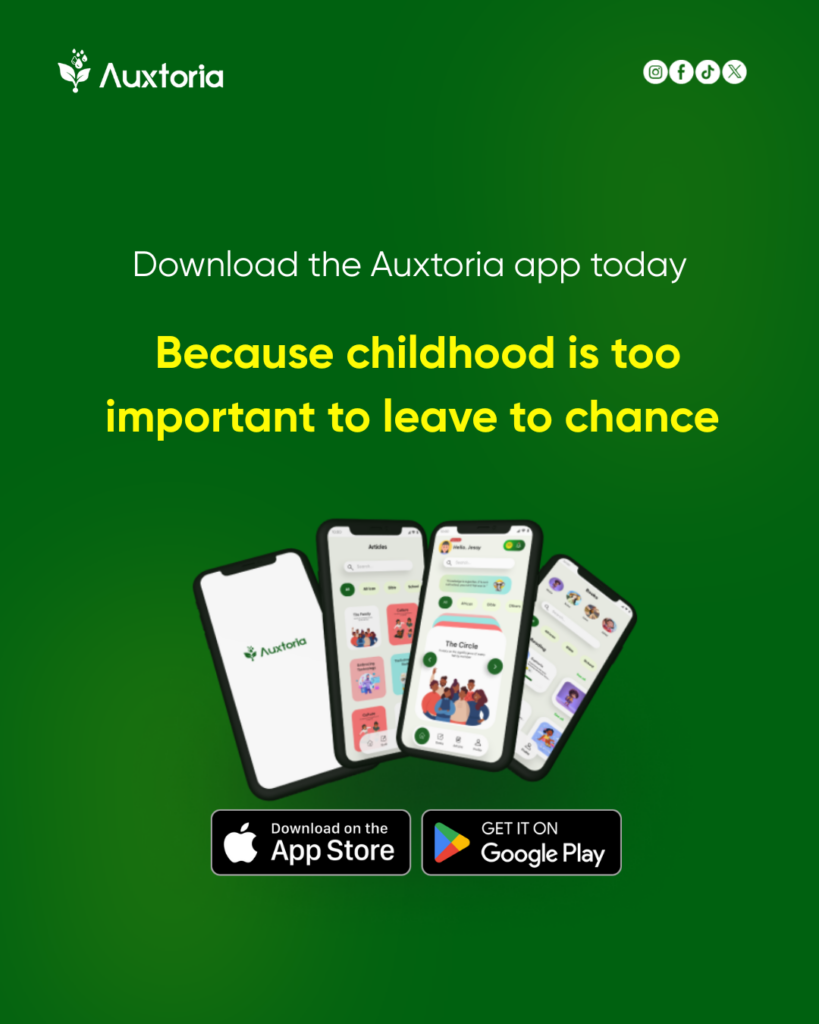
    Auxtoria was created as a digital interactive playground where children can explore stories, games, and learning experiences that nurture imagination, positive values, Christian virtues, and African culture. By focusing on interactive storytelling and gamified learning, children do more than consume content. They participate, make decisions, solve challenges, and learn in engaging ways.

    The vision is simple but powerful: help children learn, imagine, and grow beyond the traditional four walls of the classroom.

    Stories profoundly shape how children see the world, how they treat others, and who they aspire to become. Yet many digital platforms prioritise entertainment over character formation. This gap, combined with Africa’s rich storytelling tradition, shaped Auxtoria’s direction.

    For generations, storytelling has been used to pass down wisdom, values, and identity. Auxtoria reimagines this tradition for the digital age, combining storytelling, technology, and gamification to help children grow intellectually, morally, and creatively.

    Building Auxtoria came with its own challenges

    One of the earliest was translating a broad and ambitious idea into a practical product experience. Building for children requires more than functionality. It demands careful attention to safety, engagement, and educational value.

    There was also the challenge of integrating different disciplines — technology, storytelling, and education — into one cohesive platform. Each operates differently, and bringing them together required continuous experimentation and iteration.

    At the same time, the team had to build in a market already dominated by global entertainment platforms competing for children’s attention.

    Yet despite the crowded space, a clear gap remained.

    While digital content is abundant, there is still a shortage of platforms focused on meaningful and value-driven experiences. Parents are becoming more aware of what their children consume and are increasingly seeking safer, more intentional digital environments.

    They are not necessarily trying to eliminate screen time. They want better screen time.

    Technology has always been central to Auxtoria’s vision.

    The platform transforms stories into interactive experiences where children actively participate in the narrative. Instead of simply reading or watching, they explore story worlds, make choices, and solve problems. This level of engagement strengthens both learning retention and emotional connection.

    Built on modern digital architecture, Auxtoria supports multiple formats including interactive stories, comics, audiobooks, animated narratives, and educational mini-games. This creates a dynamic ecosystem where both creators and children can engage in meaningful storytelling experiences.

    Technology also enables instant distribution, allowing creators to publish content digitally and reach audiences without geographical limitations. A story created in one part of Africa can reach children across the world within seconds.

    As a digital platform, Auxtoria’s growth is driven by content expansion, creator partnerships, and user adoption.

    As more storytellers, educators, and creatives contribute, the platform becomes richer and more engaging. At the same time, user behaviour continues to evolve. Parents and educators now expect more than passive entertainment. They want content that nurtures creativity, reinforces values, and engages children actively.

    Children, in turn, respond better to experiences that allow them to participate and interact.

    These shifts reinforce Auxtoria’s core focus.


    At its foundation, Auxtoria remains deeply rooted in storytelling and cultural authenticity

    Every story is intentionally designed to reflect real experiences, environments, and values. This ensures that even as the platform grows globally, it remains grounded in its purpose — helping children see themselves in the stories they consume.

    Looking ahead, Auxtoria aims to grow into a comprehensive digital ecosystem for children’s storytelling and interactive learning.

    Future plans include expanding its content library, introducing multiple African languages, and empowering children to create their own stories and content. The goal is to move children from passive consumers to active creators.

    What excites us most is the opportunity to shape a generation of children who grow up with stories that inspire creativity, empathy, courage, and strong moral values.

    Stories influence how children see themselves and the world.

    When they are intentional, interactive, and rooted in positive values, they spark imagination, curiosity, and critical thinking.

    Children deserve digital environments that nurture their creativity and help them imagine better futures.

    Auxtoria is building exactly that.


  • Building Sustainable Innovation Ecosystems

    Building Sustainable Innovation Ecosystems

    10Alytics Global Hackathon 2025

    The 10Alytics Global Hackathon is an annual innovation platform mobilizing data professionals to solve the world’s most pressing development challenges. Now in its 7th edition, the 2025 Hackathon is co-created with BudgIT Nigeria and sponsored by Mainstack, reflecting a shift toward cross-sector partnerships connecting civic actors, private sector innovators, and global knowledge networks.

    The idea is simple but urgent: Africa cannot wait.

    With a young population, rapid digital adoption, and an expanding knowledge workforce, the continent is positioned to architect new models for social development and economic growth. Data and AI present an unprecedented leapfrog opportunity—but without intentional ecosystem design and talent cultivation, that opportunity remains unrealized.

    The Hackathon aligns directly with the United Nations Sustainable Development Goals (SDGs), challenging participants to interrogate real global problems—inequality, unemployment, governance deficits, health challenges—while equipping them with data-centric problem-solving frameworks.

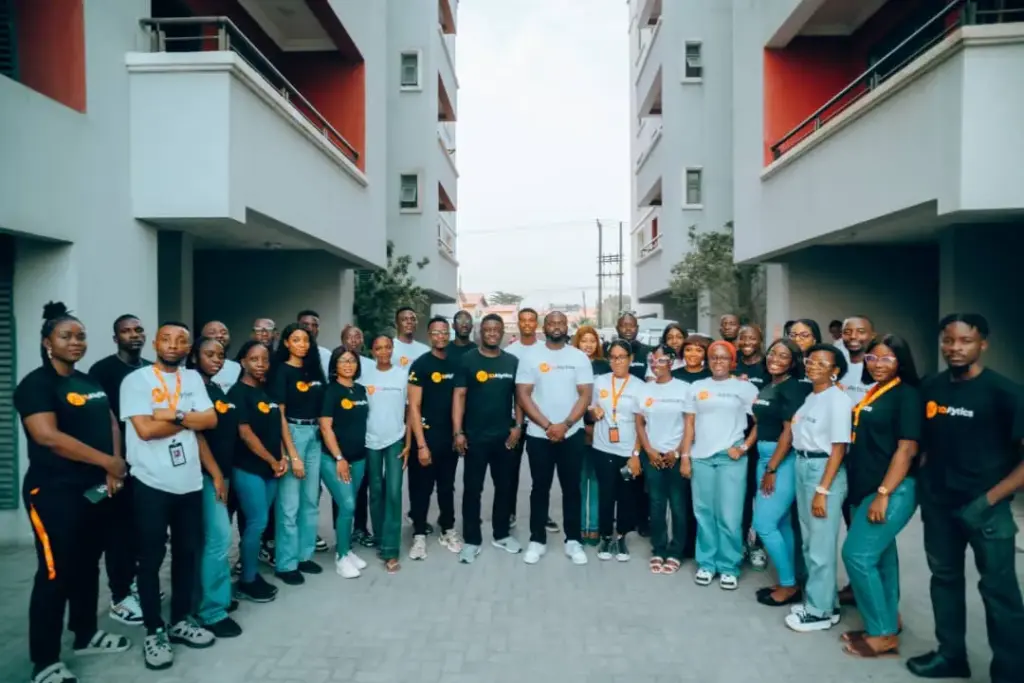
    The 10Alytics team.

    Historical Context

    Since inception, the hackathon has grounded each edition in real-world development challenges tied to continental data realities:

    December 2022: Tackling the Health Crises in Africa

    May 2023: Poverty, Life Expectancy and GDP Crises

    December 2023: Unravelling the Challenge of Unemployment in Africa

    December 2024: Child and Infant Mortality

    This continuity demonstrates the Hackathon’s sustainability logic: it’s not an isolated competition—it’s a data-driven inquiry into systemic SDG-linked challenges. Each edition builds knowledge that can shape policy conversations and interventions across sectors.

    Judges & Evaluation

    A diverse panel of global judges—senior Data, AI, and Product leaders from multiple countries—will evaluate solutions based on four equally weighted pillars:

    | Criteria | Focus |

    1. Understandability Framing & clarity of the problem
    2. Innovativeness Uniqueness & quality of insights
    3. Impactfulness Strength & relevance of the solution
    4. Applicability Practicality, feasibility & presentation

    Their scoring determines the Top 5 winners.

    What Participants Should Expect

    • Real-world problem statement linked to an SDG challenge
    • 100% virtual hackathon (Zoom + YouTube Live)
    • 2 days of collaboration and solution building
    • Top 10–20 finalists pitching live before global judges
    • Cash prizes, global visibility, and post-hackathon support

    Why This Matters

    The SDGs are urgent. Africa is young. Data is powerful.

    This Hackathon accelerates Africa’s transition into an innovation economy—where data decisions shape institutions, markets, and social outcomes. It proves that African data talent can shape policy, influence global markets, and build technologies responding to real human needs.

    Innovation isn’t just capital—it’s curiosity, community, structured knowledge, and access to opportunity.

    With thousands of participants across 20+ countries, the 10Alytics Global Hackathon is an evolving experiment in collective intelligence, democratizing innovation pathways and building sustainable tech talent pipelines across the continent.


    Get Involved

    Register: [10Alytics Global Hackathon Registration]

    Partnership/Sponsorship: [email protected] | [email protected]

    About 10Alytics

    10Alytics is an African-founded EdTech organization advancing data and emerging technology skills. We lower entry barriers by enabling Africans to leverage their professional experience while transitioning into Data Analytics, Data Science, Business Analysis, Agile Project Management, Financial Analytics, HR Analytics, and Data Engineering roles.

    Over five years, we’ve supported thousands of learners across Nigeria, Ghana, UAE, Canada, USA, UK, Germany, France, and Sweden—building competencies to secure jobs in top global organizations.

    Founded by Adeiza Suleman and Efemena Ikpro, 10Alytics also offers consulting focused on shaping organizational data culture—from data warehouses to live dashboards enabling real-time decision-making.

    More information: www.10alytics.io

  • Post-Event Recap: Inside the 2025 10Alytics Global Hackathon- Africa’s Biggest Data Challenge

    Post-Event Recap: Inside the 2025 10Alytics Global Hackathon- Africa’s Biggest Data Challenge

    The 2025 edition of the 10Alytics Global Hackathon has officially wrapped and once again, it proved why it remains Africa’s premier data competition.

    From thousands of registrations to project submissions, this year set a new benchmark for innovation, skill, and global participation.

    If joined the 48-hour sprint or are catching up on the highlights. Here’s a full breakdown of what happened.

    What Exactly is the 10Alytics Global Hackathon

    The 10Alytics Global Hackathon is a high-energy, 48-hour virtual competition where Data enthusiasts compete to solve real-world problems using datasets, all while racing against the clock.

    Prizes include: Up to $52,000 in cash, Scholarships, Industry visibility, Global networking opportunities, Portfolio-ready project experience.

    2025 Edition

    The 2025 edition happened November 29–30, 2025, Fully Virtual (Zoom + YouTube Live) and Open to participants worldwide

    With thousands joining from across Africa, Europe, the Americas, and the Middle East, the hackathon has grown into a global showcase of Africa’s rising data talent.

    What Happened During the Hackathon

    DAY 1 – Kickoff, Dataset Reveal & Orientation

    2,000+ registrations recorded, 300+ participants joined live across YouTube, Instagram, and LinkedIn

    Judges were introduced alongside their career journeysand participants received problem statement briefing, competition rules & submission guidelines

    From dataset exploration to community bonding, Day 1 set the stage for intense analytics work behind the scenes.

    DAY 2 — Final Presentations & Live Judging

    After 11 hours of analysis, visualization, and modeling

    The top 30 were shortlisted, 13 finalists presented live on the YouTube stream for the Judges, Presenters had 10 minutes each to pitch their solutions, and judges scored each project in real-time.

    Winners & Rewards

    • $2,000 in cash prizes shared among the top 3 winners
    • Top 4–10 finalists secured internship placements to grow, build, and accelerate their tech careers

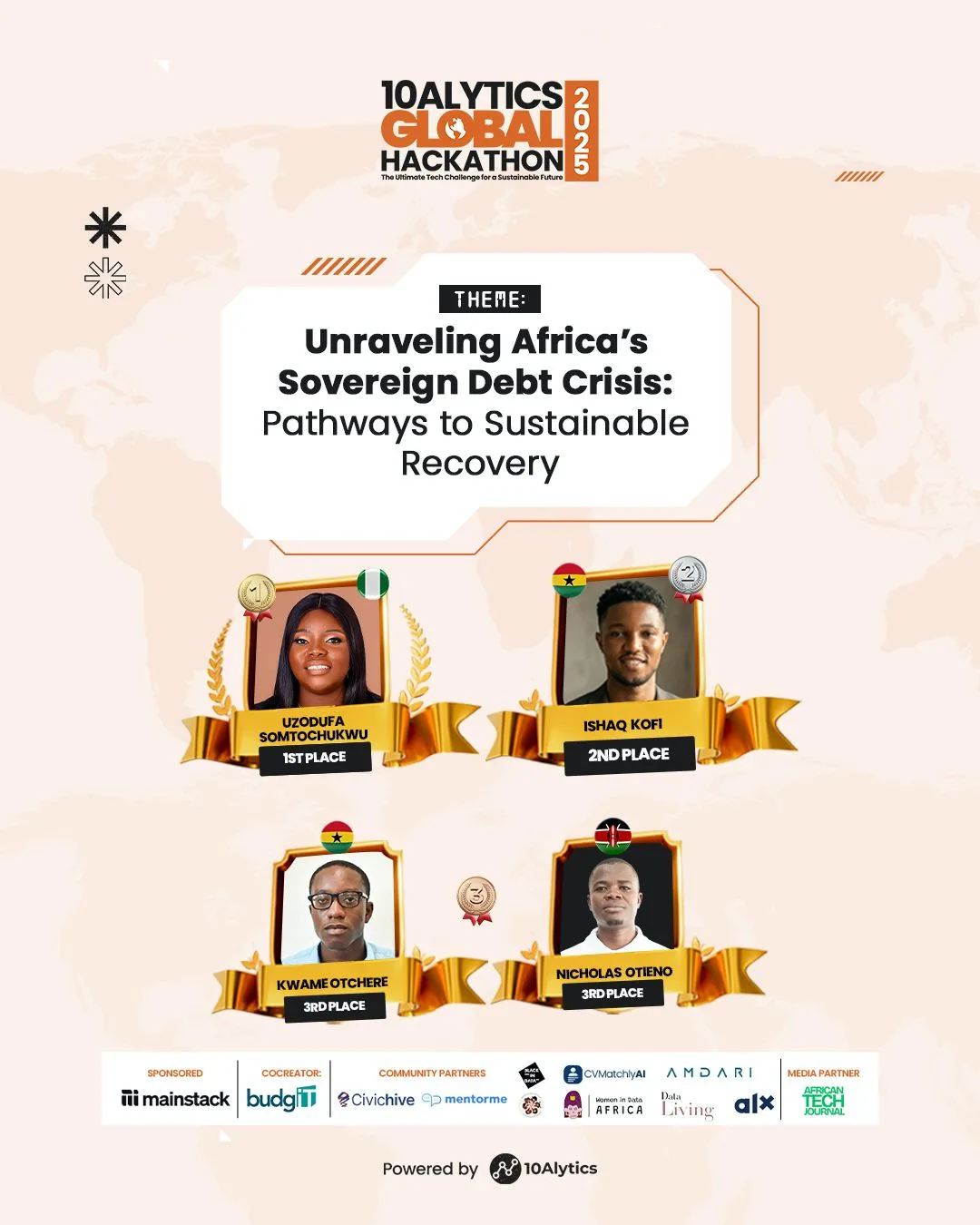
    Uzodufa Somtocochukwu came prepared, and it absolutely showed! Her sharp timing and unforgettable presentation style wowed the judges. Competing against brilliant talents from Ghana, Kenya, and Nigeria, she earned an impressive 81.71%, sealing her victory.

    Right behind her was Ghana’s own Ishaq Kofi, securing a strong second place. And in a plot twist nobody saw coming, Kenya’s Nicholas Otieno, who pitched last, delivered a standout performance that tied him with Ghana’s Kwame Otchere for third place.

    The Ecosystem Behind the Hackathon

    The 10Alytics Global Hackathon is deeply rooted in the broader mission of 10Alytics, a leading EdTech company committed to equipping Africans and the global diaspora with industry-ready technology skills. For five years, 10Alytics has built and nurtured talent for the global tech workforce, helping more than 2,500 individuals transition from the classroom into their first tech roles across the UK, US, Canada, Europe, Africa, and Asia.

    The organization delivers premium, experiential training across high-demand fields such as Data Analytics, Business Analysis, Data Engineering, Data Science, Financial Analytics, HR Analytics, Scrum, CyberSecurity, DevOps Engineering and Product Design. Their Team brings deep practical experience, ensuring that learners receive hands-on, career-driven training that truly prepares them for real-world challenges. Maintaining a community of 10,000+ learners & alumni globally

    2025 Hackathon Strategic Partners

    • BudgIT — Co-creation partner
    • Mainstack — Official sponsor
    • African Tech Journal – Media Partner

    Community Partnerships with organizations such as Data Living, Women in Data Africa, Civic Hive, ALX Nigeria, MentorME, Amdari, Women in Data Network, Amdari, and the African Tech Journal.

    The 10Alytics Global Hackathon is more than a competition. It is a platform that as over the years created a community for data enthusiasts to use their skills to solve real-world problems.

    It proves that African data professionals have consistently demonstrated that they can compete at global standards when given the right platforms to showcase their abilities.

    At a time when millions of African youth are seeking career pathways, the hackathon bridges the gap, connecting skills to opportunities, learning to earning, and talent to global recognition.

    Partnership & Sponsorship Inquiries:

    [email protected], [email protected]

  • FUSE Varsity: Bridging the Gap Between New Graduates and The Real-World

    FUSE Varsity: Bridging the Gap Between New Graduates and The Real-World

    Graduation has a way of putting your life in sharp focus.

    You’ve survived years of reading, lab work, and late-night exam prep. Your parents are beaming. Your certificate is crisp. On the surface, everything looks fine. But underneath the excitement, there’s a quiet emptiness you can’t ignore. You’ve earned the degree, yet you don’t feel ready for the world outside the school gate.

    For many African graduates, that fear is valid. 

    That question became the foundation of FUSE Varsity, a homegrown edtech solution built around relevance, clarity, and online learning.

    The Uncomfortable Truth About African Education

    Anyone who passed through the Nigerian university system understands the disconnect. It’s not a lack of intelligence or effort. Students work incredibly hard despite unstable systems, outdated materials, and limited resources. After navigating missing scripts and endless delays, many graduates still discover that a degree alone doesn’t open doors.

    Building Without Glamour

    The team focused on clarity, structure, community, and results.

    Competing with well-funded online platforms on appearance made no sense. Instead, FUSE asked a more grounded question: what actually helps people stay, grow, and apply what they learn? The answer shaped everything.

    Convincing people wasn’t easy. Degrees still carry emotional weight in Nigeria. Questions came fast: “Why do I need this?” “How is this different from YouTube?” “What if I still don’t get a job?”

    Why Community Changed Everything

    FUSE learned early that content alone isn’t enough. Learning needs connection. That’s why cohort-based learning became central. Learners moved together, shared wins, received feedback, and stayed accountable.

    They weren’t abandoned after programs ended. They joined a 3,500+ member community that continued to support and challenge them. Feedback wasn’t ignored—it shaped courses, support systems, and the platform itself.

    Growing With Discipline

    By 2024, the focus shifted to scale. That led to FUSELearn, an AI-supported extension designed to personalize learning without replacing human connection.

    Partnerships with organizations like the Lagos State Government, Selar, and Workpoint helped FUSE reach over 2,000 learners and support real career transitions.

    The Bigger Picture

    FUSE feels like home because it understands African realities like power issues, data limits, financial pressure. Learning works with life, not against it.

    By 2030, FUSE aims to empower over 30,000 learners with skills, confidence, networks, and opportunities.

    It’s not just education. It’s preparation for the real world—and that’s the gap FUSE exists to fill.