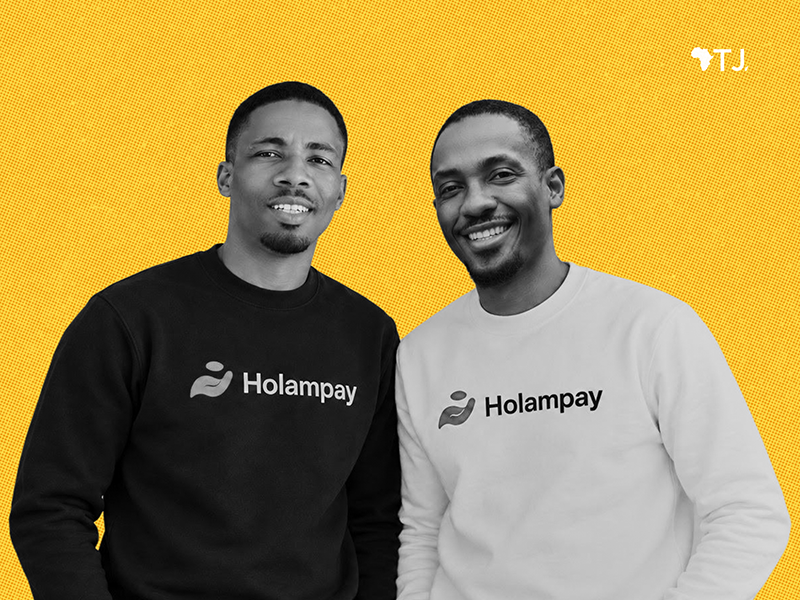
The Nigerian startup is building a transaction layer that connects agreements, payment commitments, fulfilment and dispute processes across everyday purchases and more complex business transactions.
Sending money has become one of the easiest parts of an online transaction.
The harder part can be knowing what happens after the payment is made.
The Holampay team experienced this themselves after paying ₦100,000 to an Instagram vendor for shoes for a cousin’s wedding. The vendor confirmed receiving the money and promised delivery within seven days. The shoes never arrived. The vendor eventually stopped responding and blocked them.
It was not an unfamiliar problem. The founders had also seen their wives and sisters experience disappointing online transactions and the financial and emotional cost that came with them. The experience exposed a gap between making a payment and having confidence that the promise attached to that payment would be fulfilled.
That gap is what Holampay is being built around.
Holampay is trust infrastructure being built to make transactions safer for individuals, businesses and platforms across different transaction types and arrangements.
The idea is to connect what people agree to with how payment is committed and released.
Connecting the agreement to the payment
A typical online transaction can involve several different channels.
A buyer might find a seller on Instagram, negotiate through WhatsApp and then make a direct bank transfer. The conversations may contain the product details, delivery expectations and payment terms, while the transfer receipt only shows that money moved.
When something goes wrong, it can become difficult to establish what was agreed, whether the terms were fulfilled and what should happen next.
Holampay is being built to bring those elements into one transaction process.
The intended experience starts with both parties agreeing on the terms, including what is being supplied, the amount involved, delivery dates or milestones and the conditions for completion.
The payer then commits the agreed funds, while payment can be released based on the agreed terms and fulfilment process.
If either party raises a dispute, both sides can provide their account and supporting evidence. The agreement and transaction history can then provide a basis for reviewing the issue under the applicable dispute rules.
The aim is not to guarantee that every transaction will end without disagreement. It is to give both parties clearer expectations and a defined process when something goes wrong.
More than online purchases
Holampay is being designed to work beyond the kind of Instagram transaction that inspired the founders.
The intended infrastructure covers goods and services, milestone-based work, recurring commitments, split payments and arrangements involving multiple parties.
That could mean a buyer purchasing a product, a business engaging a service provider, a client paying for work across several milestones or multiple parties participating in the same transaction.
The common thread is the need for clear agreements, committed funds, conditional payment release and a defined process for handling disputes.
Holampay is also being built as a standalone trust network, meaning users could potentially use the trust process even when they first meet through social media or another channel.
Building the trust layer separately from the financial rails
Holampay is not positioning itself as the financial provider behind every part of a transaction.
Its role is the trust process: establishing the agreement, connecting that agreement to payment commitments and fulfilment, and providing the structure for handling disputes.
Banking and payment partners will support the financial services behind those transactions.
The architecture is being designed to separate the trust process from the financial providers supporting the movement and safeguarding of funds, creating room for provider choice as partnerships become operational.
Still being built
Development of Holampay began in April 2023.
The team is still working through the complexity of turning different real-world agreements into reliable transaction journeys. A product purchase, a service engagement and work delivered across milestones all have different conditions for completion.
There are also situations involving delays, disagreements and interrupted payments that the system needs to account for.
For now, Holampay remains in development and pre-launch. Its focus has been development and internal validation, with a pilot launch targeted before the end of 2026.
That pilot will initially focus on Nigeria and is expected to help the team understand how buyers, sellers and businesses use the trust process across different transaction arrangements.
Over time, the ambition is for businesses, platforms and financial partners to connect to the infrastructure and make transactional safety part of their own customer journeys.
For Richard Okolie, co-founder and CEO of Holampay, the idea comes back to the gap the team experienced themselves.
“Our experience showed us what was missing between sending money and receiving what was promised. We are building Holampay to connect agreements, payment commitments, and fulfilment across everyday purchases and more complex business transactions.”
Holampay is still being built, but the problem it is addressing already exists across the way people buy, sell, hire and work online.