There’s something inspiring about watching someone turn passion into serious money. Hajia Amoke Odukoya, better known as Amoke Oge, did exactly that with her Amala food business. Today, it’s a ₦2.3 billion success story.
Her journey isn’t just about cooking great food. Although her amala is legendary in Lagos, it’s also about how she used food technology and delivery platforms to solve real problems. As a result, she scaled beyond the walls of a single kitchen and built one of the most inspiring food businesses in Lagos.
Starting Small, Dreaming Big
In the early 2010s, Amoke Oge started with less than ₦200,000. She learned to cook from her sister, Alhaja Saudi (known locally as Iya Amoke), who was already making waves with food in Lagos. With her husband, Ishola Ade, supporting the vision, they began grinding yam and cassava the traditional way, feeding their community from a single kitchen.
However, success brought its own problems. As inflation hit 28.9% in 2023, running a physical restaurant became brutal. Stores were packed. Customers grew frustrated while waiting for tables. Seating was limited. The traditional model was hitting its limits. After all, you can only serve so many people at once when they must physically show up.
The Platform Play
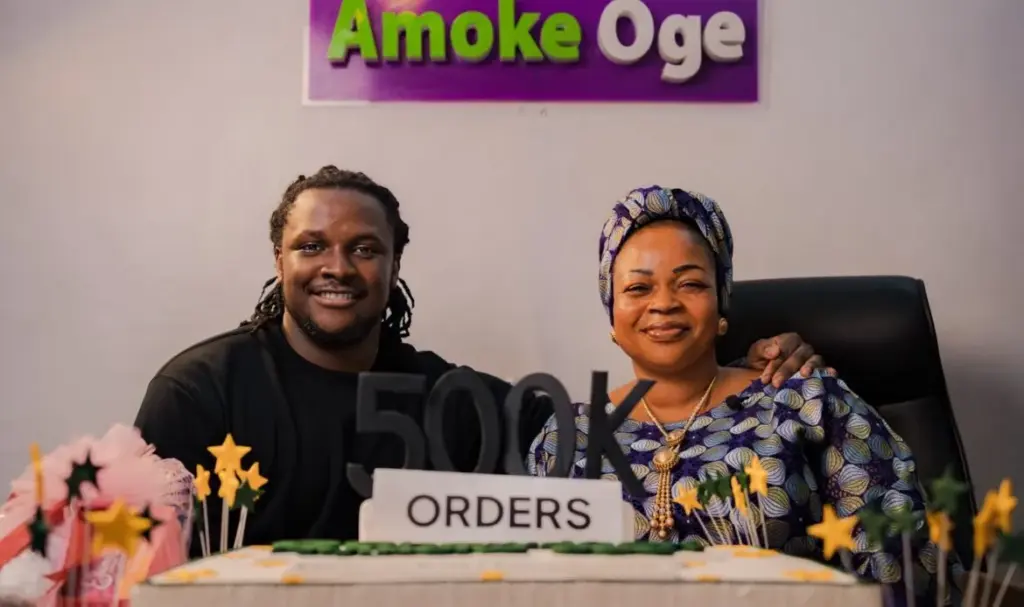
Two to three years ago, Amoke Oge made a move that changed everything. She joined Chowdeck, one of Nigeria’s fastest-growing food delivery platforms.
This wasn’t just about adding delivery as a side option. Instead, she went all-in on the platform model, letting Chowdeck handle logistics while she focused entirely on cooking. Consequently, this strategic embrace of food technology turned a beloved local kitchen into a scalable food business in Lagos.
The results speak for themselves. Over 500,000 deliveries have been completed, making her the first woman-led business to hit that milestone on the platform.
The numbers are striking. Amoke Oge is now averaging ₦4,600 per order. Yes, that’s higher than what you’d pay eating in a traditional bukka. Yet it’s also what people are willing to pay for convenience and quality delivered to their door.
Just by leveraging food delivery technology in Lagos, Amoke Oge moved from a single kitchen to multiple outlets. In addition, she built a repeatable system for growth.
Scale and Strategy
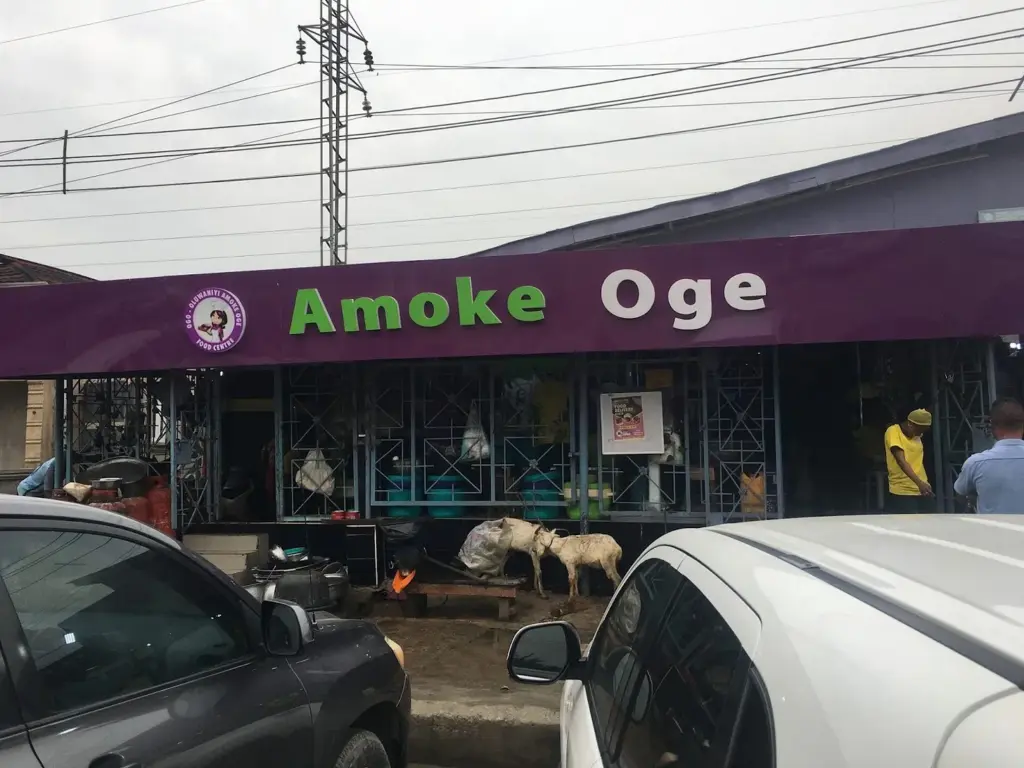
Today, Amoke Oge operates seven locations across Lagos — Oshodi, Surulere, and others — with plans to expand to ten branches soon. That expansion is directly enabled by the delivery model.
It’s a technology-based food delivery platform where Chowdeck manages the connection between vendors, delivery riders, and customers. Therefore, vendors like Amoke Oge can focus on cooking while leveraging the platform’s infrastructure for order fulfillment and delivery.
Instead of worrying about foot traffic and prime real estate for each new location, she can focus on kitchen efficiency and meeting delivery demand.
The ₦2.3 billion in revenue isn’t just impressive. It’s also proof of concept for how traditional food businesses in Lagos can use food technology to reach entirely new markets and price points.
Why This Matters
Amoke Oge’s story resonates because it’s not about replacing tradition with technology. She’s preserved the authenticity of Yoruba cuisine while using modern tools to reach more people. Amala isn’t just food. It’s a cultural heritage. Yet she’s found a way to scale that without losing what makes it special.
For entrepreneurs watching from the sidelines, there are clear lessons here. She identified a real constraint (physical space limiting customers), found a technology solution that addressed it (delivery platforms), and executed consistently enough to become a category leader.
Meanwhile, the timing worked in her favor too. Chowdeck just raised $9 million in Series A funding, which suggests investors believe in the model she’s been proving works.
Lessons for Food Entrepreneurs in Lagos
- Start with authenticity. Whether it’s amala, suya, or small chops, build your food business around something real.
- Also, use food technology as leverage. Platforms like Chowdeck or Glovo can handle logistics while you focus on quality.
- Think beyond your kitchen. Delivery means your reach isn’t limited by foot traffic or seating space.
- Consistency matters. High quality and prompt delivery build trust and repeat customers.
- Finally, track your numbers. Knowing your order averages and growth patterns helps you plan expansion intelligently.
- For small food businesses in Lagos, these lessons are a practical blueprint you should follow. The sky is wide enough for everyone to fly if you do it strategically.
What’s Next for Amoke Oge
Amoke Oge represents something bigger than one successful food business. She’s part of a generation of African entrepreneurs who are figuring out how to use food technology platforms to scale traditional businesses without losing their essence.
Her success creates a template. Start with something you’re genuinely good at. Identify where technology can remove constraints. Execute consistently. Not revolutionary advice, but clearly effective when done right.
The real question now is who follows her playbook next, and in which industries. Because if you can scale amala to ₦2.3 billion, what else becomes possible?